
Artificial intelligence is now woven into everyday routines, from planning schedules to managing information. Yet, using it without intention can lead to distraction, dependency, and mental fatigue. The key is balance leveraging AI as a helpful assistant rather than letting it take over your thinking. By setting clear boundaries and using it with purpose, you can stay productive, informed, and mentally sharp. This guide shares practical ways to integrate AI into daily life while maintaining clarity, focus, and personal control. Thoughtful usage ensures that technology supports your goals instead of overwhelming your attention or weakening your decision-making skills.
Mindful Start

Begin your day by deciding how AI will assist you, not control you. Use it for planning tasks or quick insights, but avoid scrolling endlessly through generated content that reduces focus and drains mental energy.
Focused Search

Use AI tools with clear questions. Specific prompts lead to useful answers, while vague browsing wastes time. Treat AI like a tool for solving problems, not a place for passive consumption.
Daily Planning
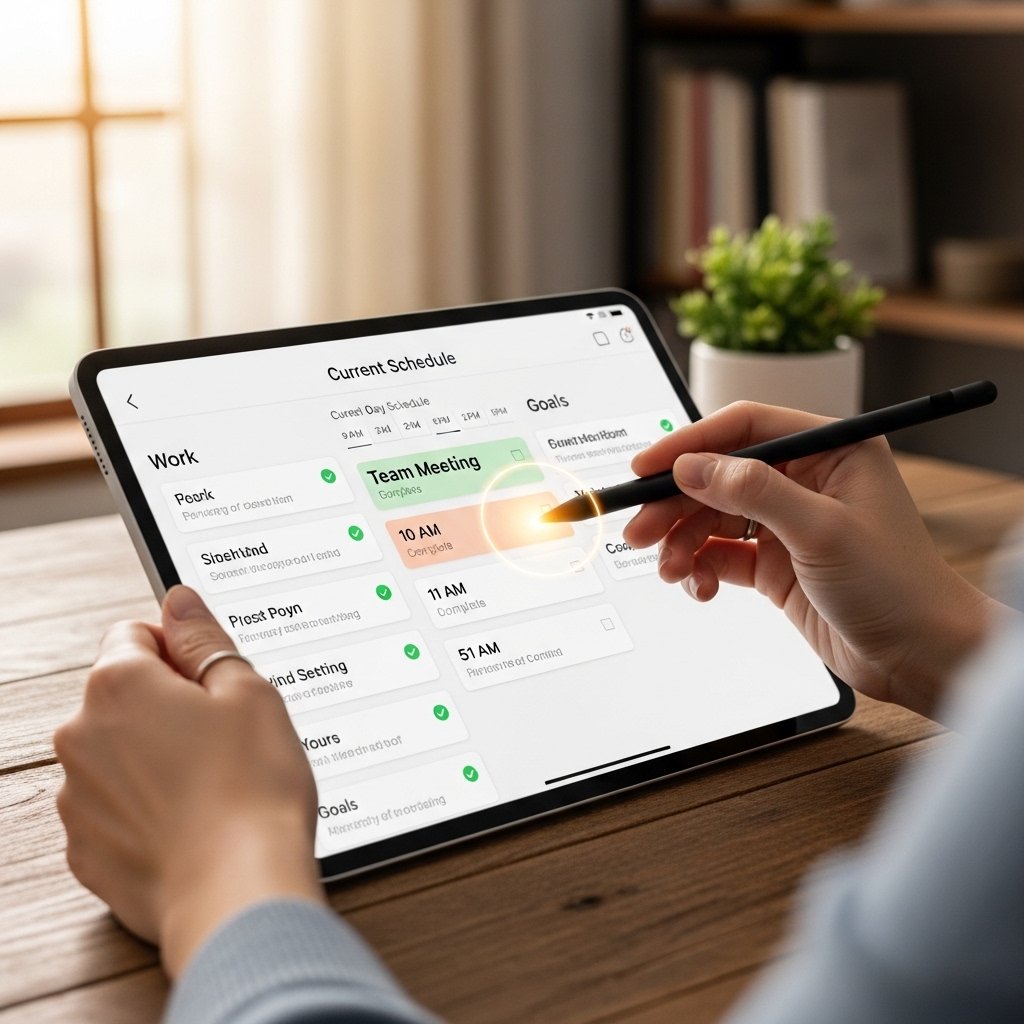
Let AI help organize your schedule, but review it yourself. Adjust tasks based on your priorities so you stay actively involved in decision-making rather than relying entirely on automated suggestions.
Learning Support

Use AI to explain concepts, summarize articles, or provide examples. Always reflect on what you learn instead of copying information, ensuring your understanding grows stronger with each interaction.
Limit Screen Time

Set boundaries on how long you interact with AI tools daily. Short, purposeful sessions are more effective than long, unfocused usage that can lead to mental fatigue and reduced productivity.
Creative Thinking

Use AI for inspiration, not replacement. Generate ideas, then expand them with your own thoughts. This keeps your creativity active and prevents overdependence on automated outputs.
Fact Checking

Verify important information from reliable sources. AI can assist with quick answers, but cross-checking ensures accuracy and builds trust in the information you use for decisions.
Task Automation

Automate repetitive tasks like reminders or formatting, but stay involved in important work. This balance saves time while keeping your skills sharp and your thinking engaged.
Healthy Breaks

Step away from screens regularly. Taking breaks helps refresh your mind and prevents overreliance on digital tools, allowing you to return with better focus and clarity.
Personal Reflection

Spend time reviewing how AI helped you during the day. Identify what worked well and what felt unnecessary, so you can refine your usage habits over time.
Skill Building

Use AI as a learning partner, not a shortcut. Practice writing, problem-solving, and decision-making yourself to maintain independence and confidence in your abilities.
Digital Discipline

Avoid multitasking between multiple AI tools at once. Focus on one task at a time to improve efficiency and reduce mental clutter caused by constant switching.
Balanced Lifestyle

Combine AI use with offline activities like reading, exercise, or hobbies. A balanced routine ensures technology enhances your life without replacing meaningful real-world experiences.
