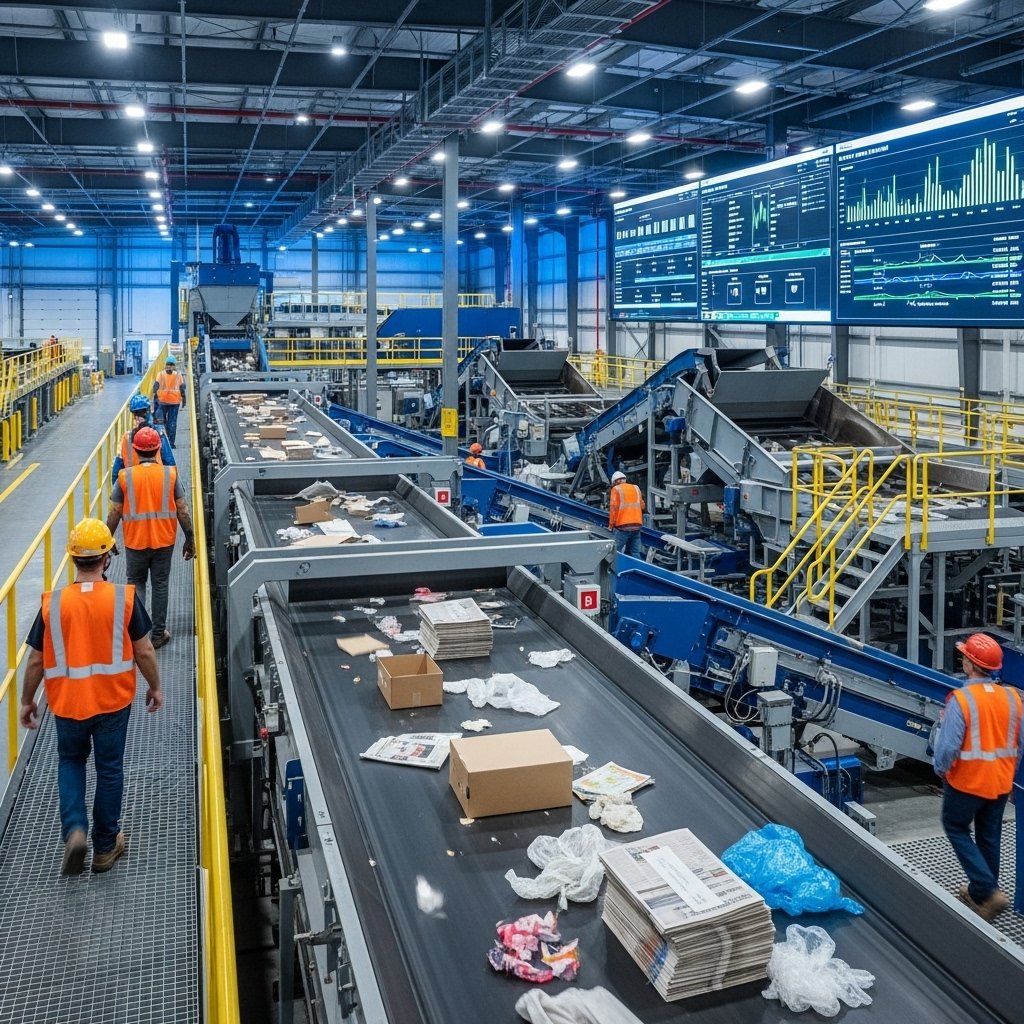
Recycling in America is entering a quiet transformation. Traditional sorting lines once depended only on human judgment and basic machines. Today, intelligent systems guide many of these decisions. These tools help facilities identify materials faster and reduce mistakes. Cleaner sorting supports better reuse of plastics, paper, glass, and metals. Communities benefit through reduced landfill pressure and stronger local programs. Cities also gain more reliable data for planning collection routes and public awareness campaigns. The process feels simple for residents, yet advanced systems now work behind the scenes. These changes shape a cleaner recycling flow and support long-term environmental responsibility across many regions.
Smarter Sorting Cameras
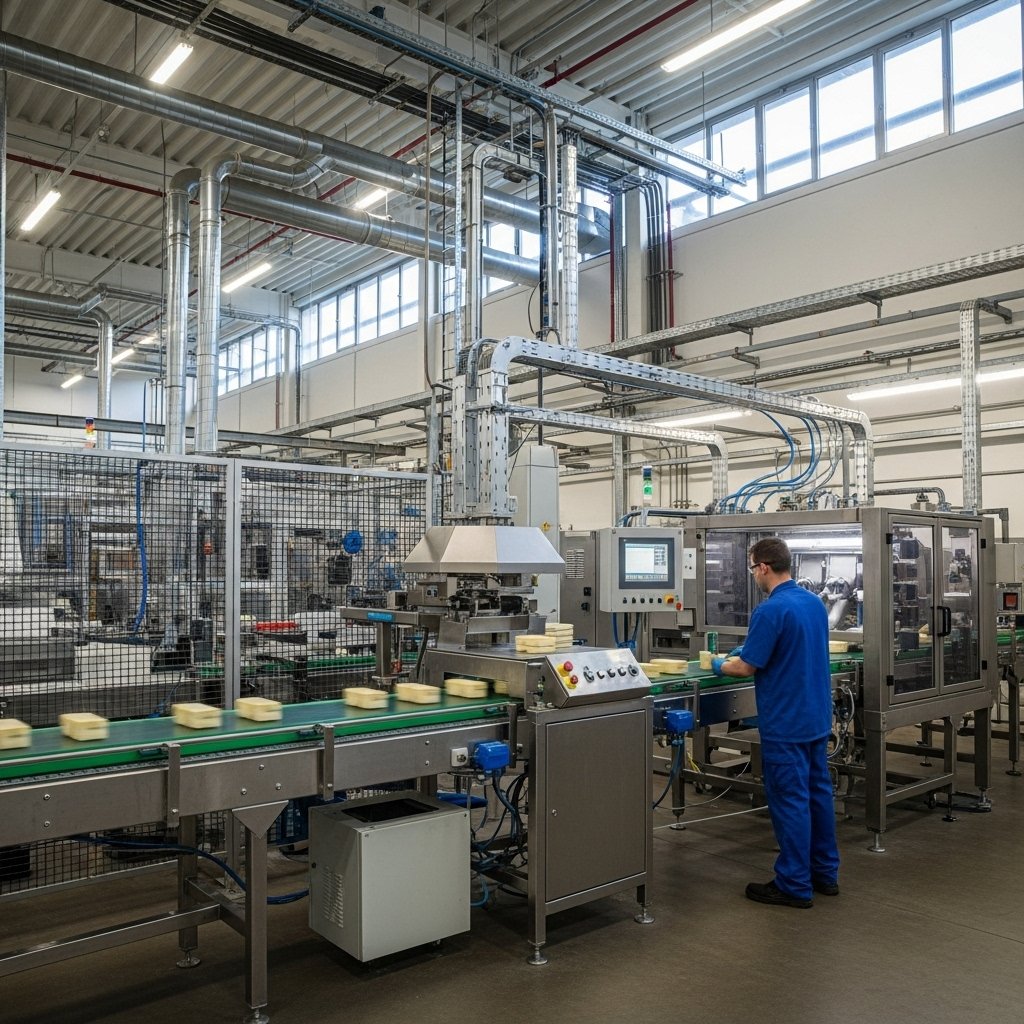
High-speed cameras examine every item on conveyor belts. They recognise shapes, colours, and textures. These systems separate paper, plastic, and metal accurately. Cleaner separation lowers contamination and supports recycling partners who rely on pure material streams.
Robotic Picking Arms

Robotic arms remove specific items with precision. They follow programmed rules and visual signals. These machines work continuously without fatigue. Facilities handle higher volumes daily while keeping consistent sorting standards across long operating hours.
Real-Time Material Tracking
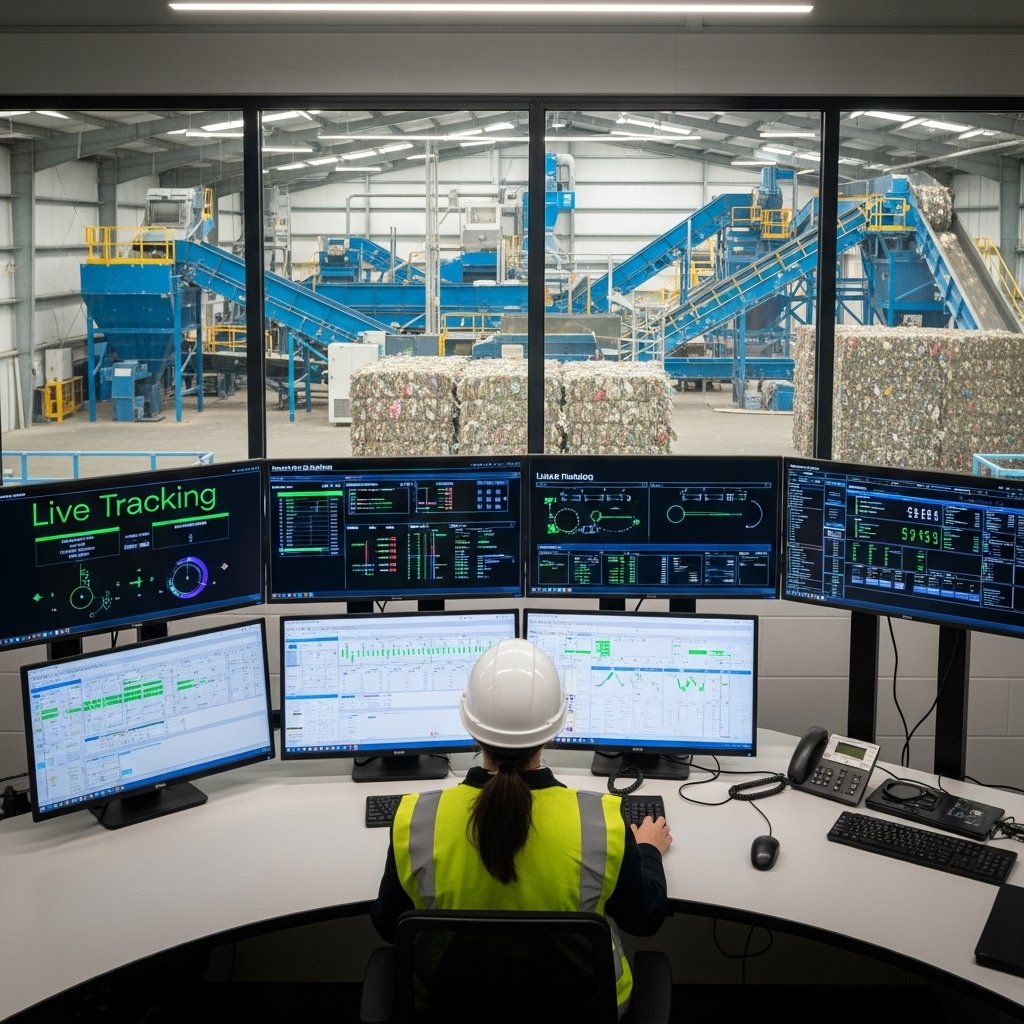
Tracking systems record how much material moves through facilities. Operators monitor plastic, glass, and metal quantities. This data supports better planning, equipment maintenance, and scheduling while helping cities measure recycling progress accurately.
Reduced Sorting Errors
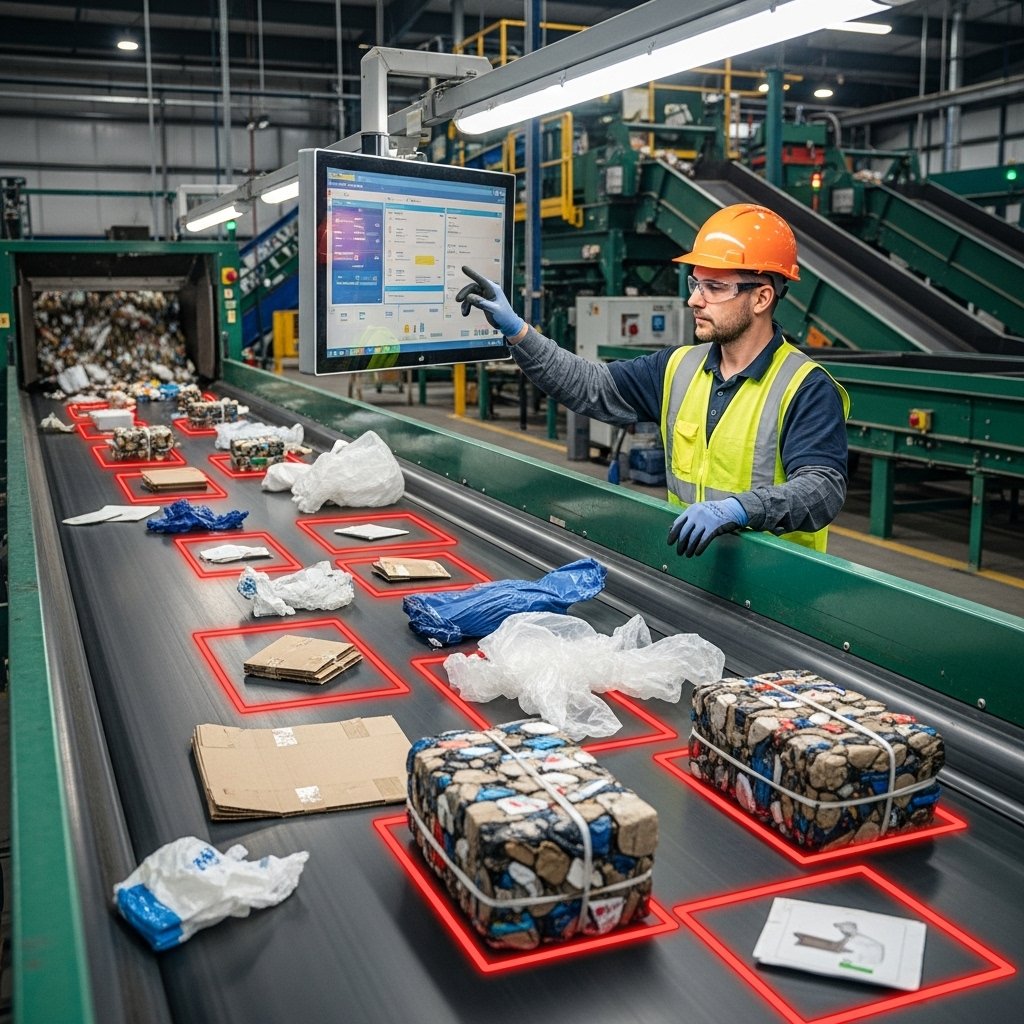
Smart software highlights items placed in the wrong category. Alerts help staff correct mistakes quickly. Lower error rates protect machines from damage and prevent unsuitable waste from entering recycling lines.
Cleaner Recycled Products
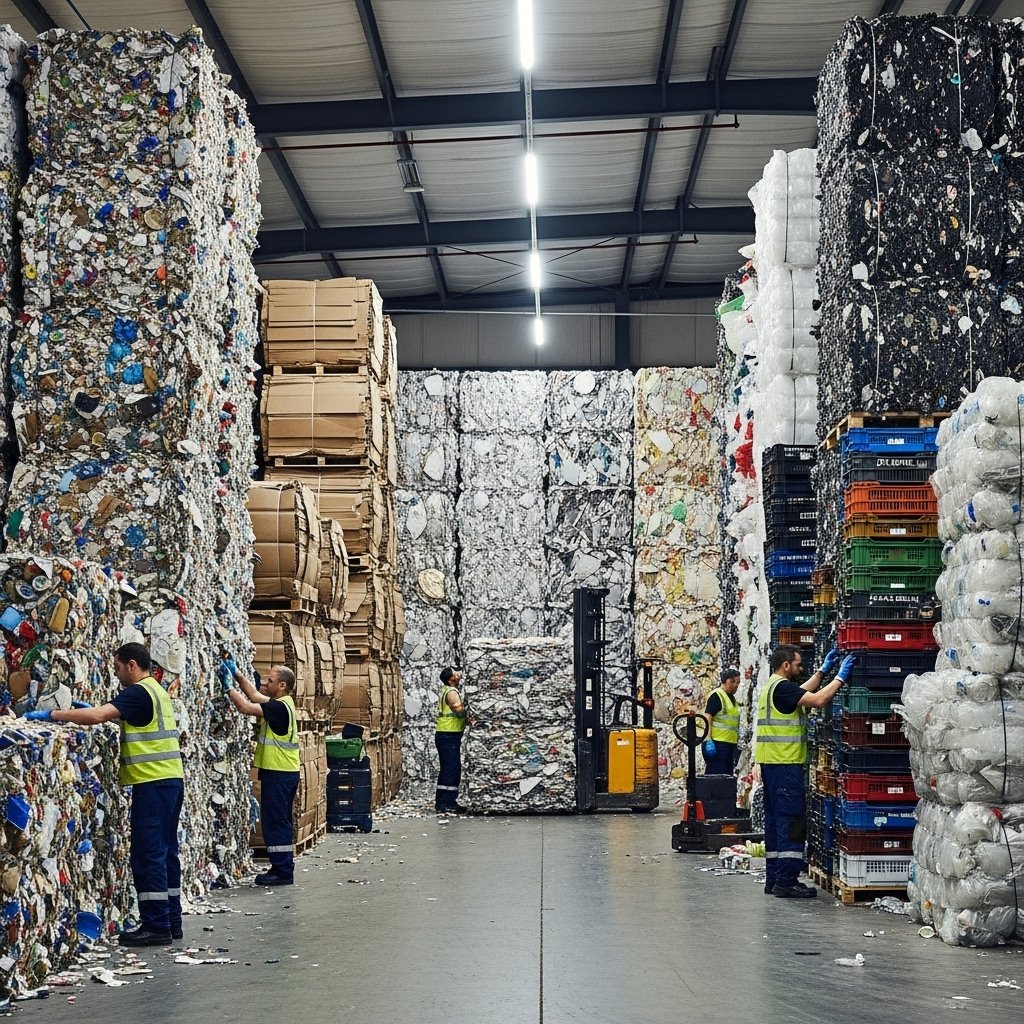
Accurate separation produces cleaner recycled materials. Manufacturers receive higher-quality inputs. These materials support stronger packaging, paper products, and construction supplies, helping extend the life cycle of everyday resources.
Faster Processing Speeds
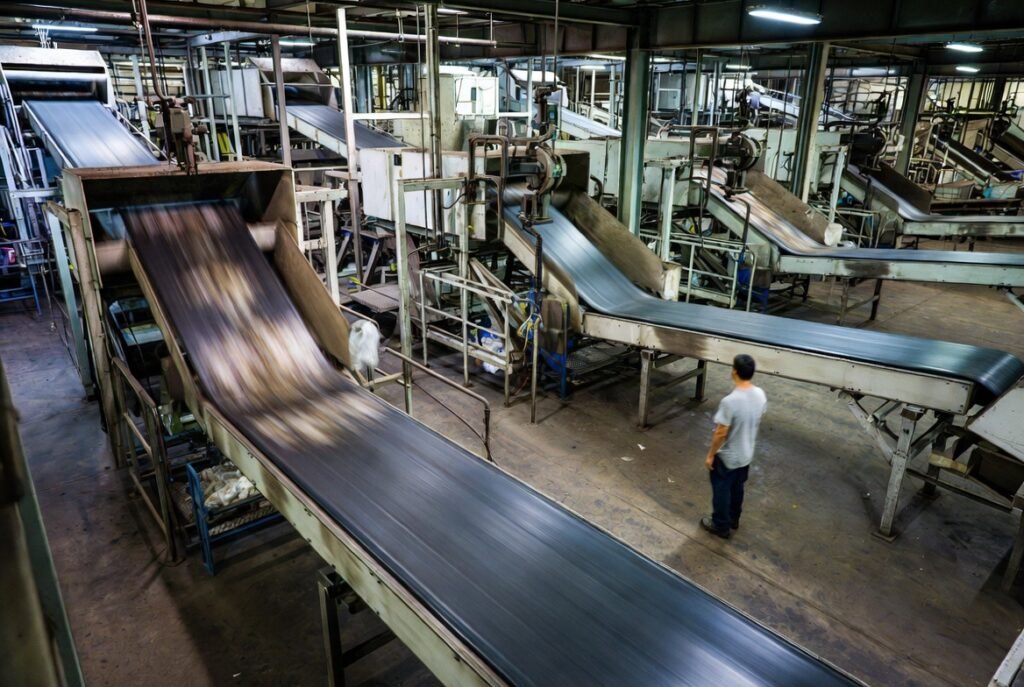
Intelligent systems analyse items within seconds. Facilities process more waste each hour. Faster sorting shortens storage time and reduces backlog during busy collection periods.
Lower Operational Costs
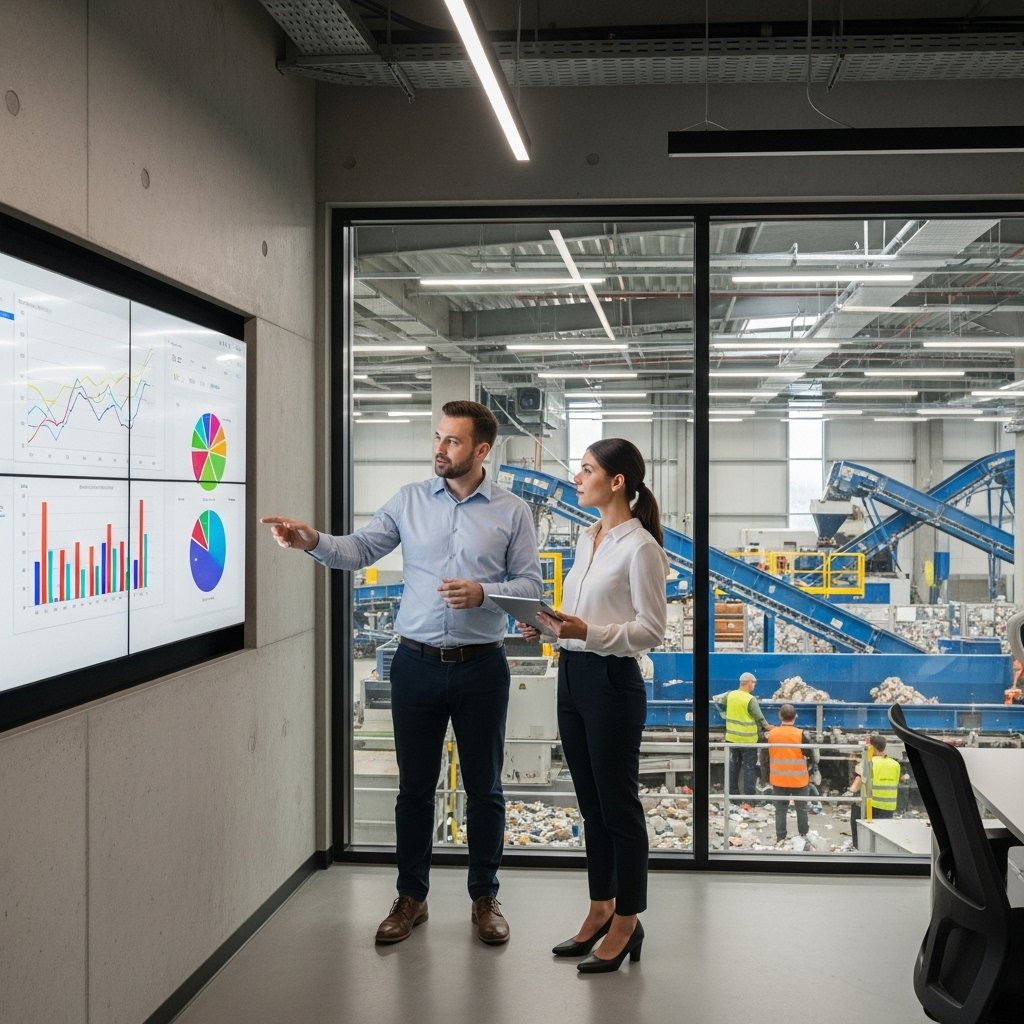
Automation reduces repetitive manual tasks. Facilities spend less on re-sorting and machine repairs. Savings can support upgrades, safety improvements, and staff training programs.
Improved Worker Safety
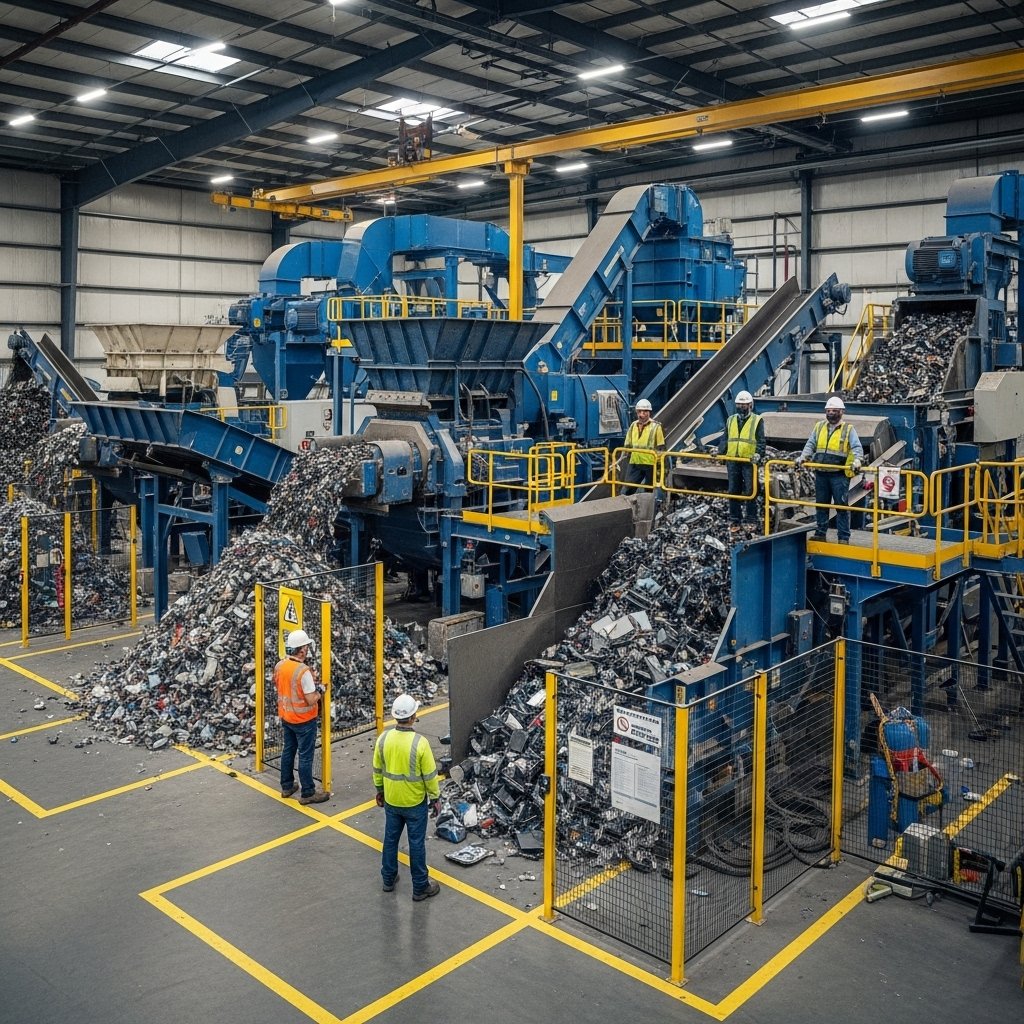
Machines handle sharp or heavy items. Workers face fewer risks on sorting lines. Safer environments support steady productivity and reduce workplace strain.
Better Public Recycling Guidelines
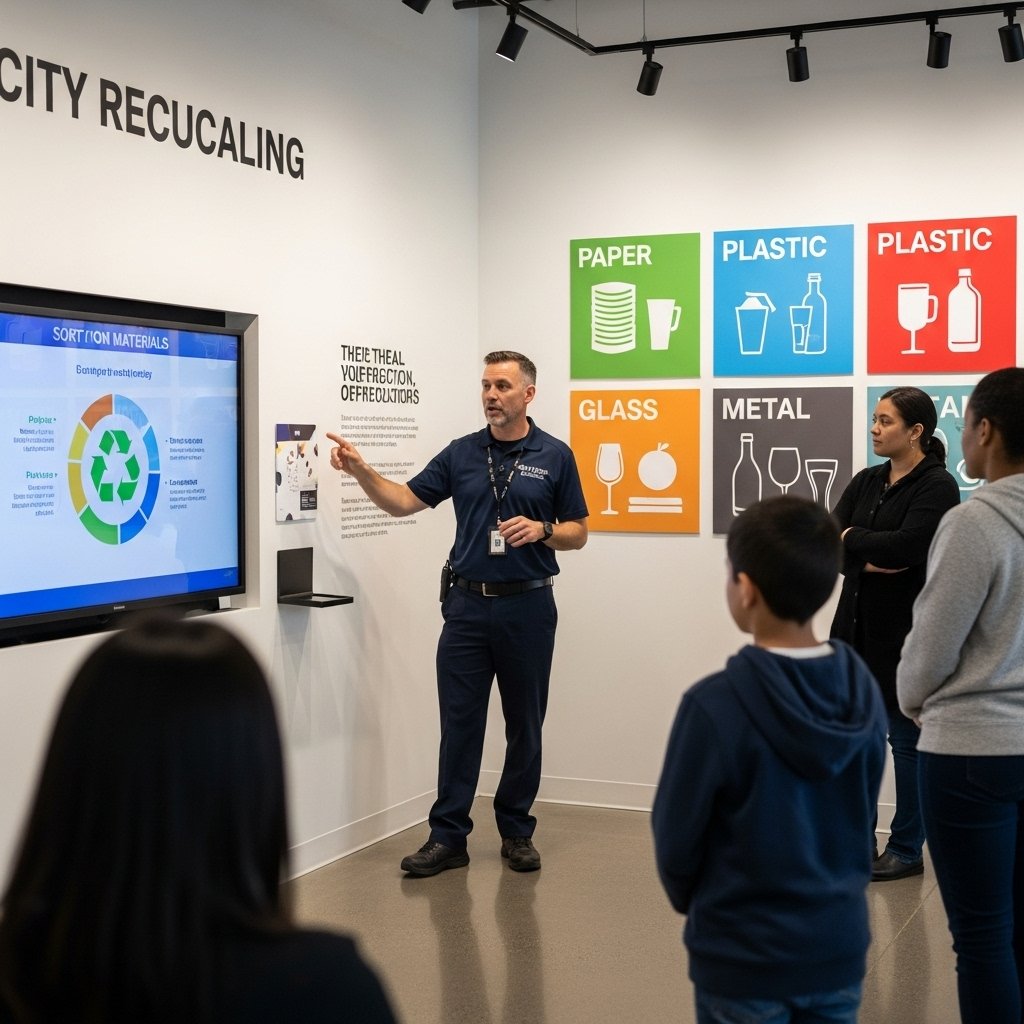
Data from sorting systems reveals common mistakes. Cities adjust public instructions to improve bin use. Clearer guidance supports cleaner household recycling habits.
Support for Rural Programs
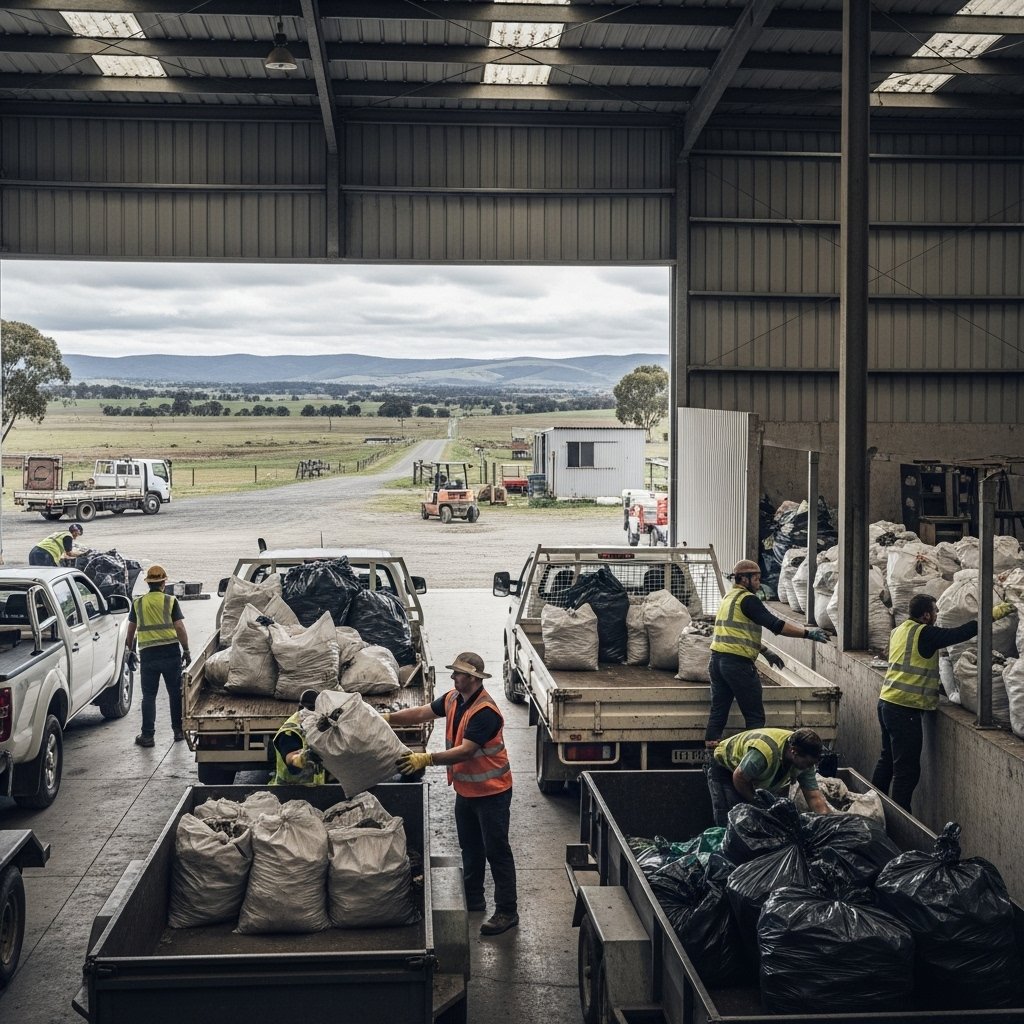
Smaller communities benefit from shared smart facilities. These centres manage waste from multiple towns. This approach strengthens recycling access beyond large cities.
Future Planning Tools

Long-term data supports smarter investment decisions. Cities plan equipment upgrades and route changes more accurately. These tools guide steady improvements and protect recycling systems for the coming years.
