
The interaction at a table usually determines the relationship among people in terms of bonding, listening and perceiving. The dialogue at dinner tables may be routine, but it gradually creates emotional intimacy, respect, and common memory. Minor events that occur during these times have an impact on the comfort level with which individuals share ideas and in what ways they listen to others. Attention is constant and gestures are considerate, and conversations will be easier and more valuable. The habits do not involve additional time and formal training. They are based on awareness, patience and mere courtesy. These small gestures foster confidence, lessen misunderstandings, and eventually bring a culture in which individuals feel appreciated. Regularly, they transform the routine meals into a time of honest connection and constant communication development.
Eye Contact Balance

Listening with soft eye contact indicates care and a lack of urgency. It indicates interest, minimises distractions and motivates others to feel freer and thus talk frankly as they feel attended to and respected during shared tables.
Pause Before Speaking

Interruptions are avoided by taking a brief break before replying. It allows other people to complete their sentences, enhances communication, and fosters more peaceful interactions with no rushed responses and unintentional overlaps.
Open Body Position

The open hands and uncrossed arms also help to be open. It’s a very welcoming position, and it doesn’t make the conversation awkward or uneasy.
Tone Awareness

A gentle and moderate voice ensures that there are no misinterpretations. The idea of presentation in a calm manner makes ideas sound considerate, even when there may be opposing views, which facilitates easier dialogue.
Device-Free Moments
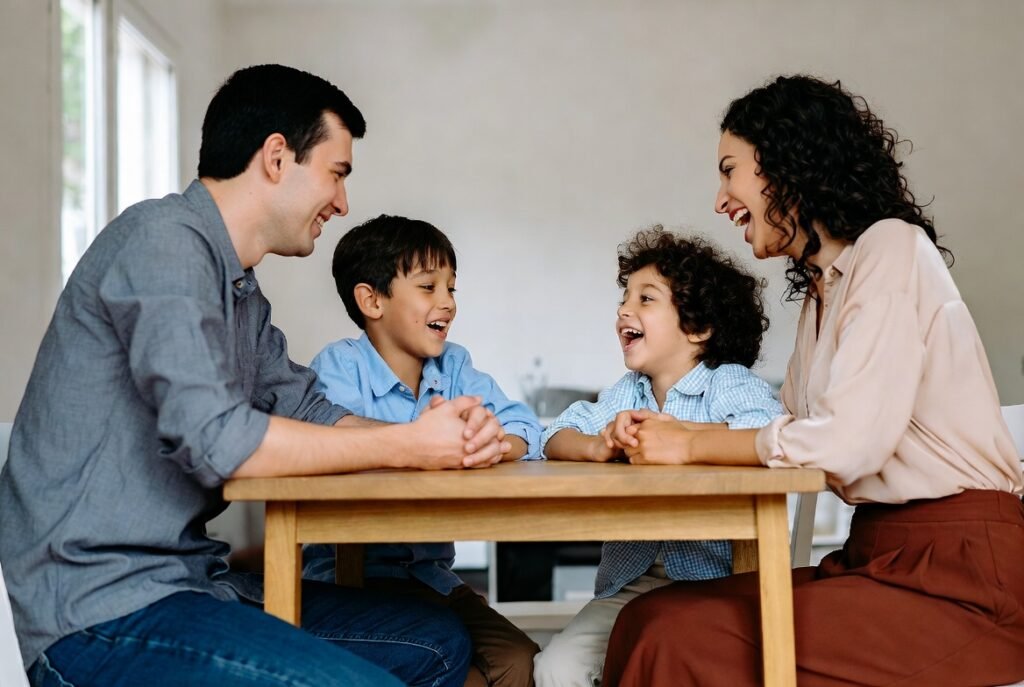
Storage of devices minimises distractions. It makes everyone stay attentive and enhances the quality of listening and mutual concentration in dialogue.
Gentle Nods

Light nodding during listening means encouragement silently. It demonstrates empathy and lets speakers know that their words will be listened to.
Respectful Turn-Taking

The other person should be allowed to finish their ideas so as to be fair. It provides fair participation and avoids the situation where one voice will prevail in the table discussion.
Clarifying Questions
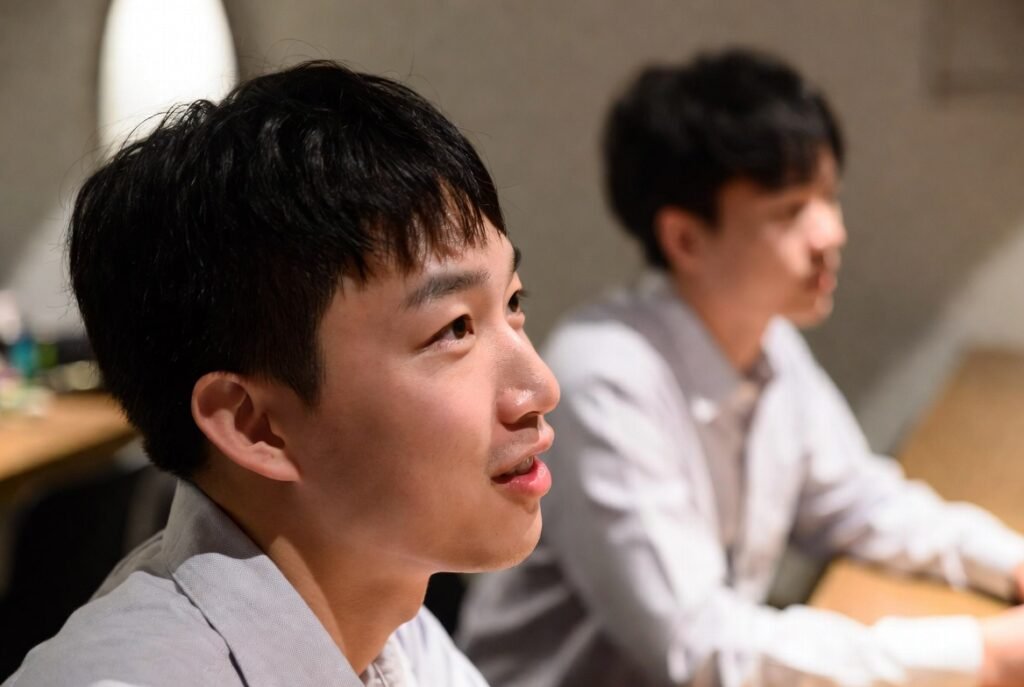
Clear and brief questions are not confusing. It ascertains comprehension and takes a true interest in what other people are discussing.
Gratitude Expressions

A few nice words of gratitude generate cosiness. The recognition of mutual efforts develops appreciation and a good tone of conversation.
Neutral Facial Expression

Congested facial expressions help avoid accidental cues. It promotes dignified communication and makes others feel free to express their views.
Gentle Closing Remarks

Closing discussions with nice partings is good. It strengthens mutual respect and fosters further communication.
