
Phishing is a universal and one of the most harmful cyber attacks to individuals and organisations in the modern world. Due to the enhancement of digital communication, cybercriminals are creating more and more messages to steal sensitive data. Also, the phishing attacks are believable and convincing enough along with a high number of victims. To prevent such risks, it’s helpful to understand everything that is present ahead.
What Is Phishing?

In phishing, attackers make use of emails, messages, or counterfeit websites to steal sensitive information. The aim is to hijack information, including passwords, bank information, or personal information.
Types of Popular Phishing Attacks

Cybercriminals make use of different sorts of phishing attacks. The most frequently used are email phishing, which can be done on text messages, phone calls, and counterfeit websites. Attacks are made on specific persons, and others are directed at big groups.
The appearance of Phishing Emails is typically like this

Emails that are used for phishing are in such a way that they look real. They come up with professional expressions, emotional appeals, and common logos. Typical tricks are account warnings, payment problems or security alerts. These emails tend to request users to click on the link or to download an attachment.
Dangers of Becoming a Victim of a Phishing Attack

It is a grave issue to fall prey to a phishing attack. Esteemed information can be stolen, resulting in a loss of money, identity theft, or unauthorised access. The victims can also have difficulties with long-term stress and recovery. There are instances where thieves make use of stolen information to initiate additional attacks.
Why Phishing Is So Effective
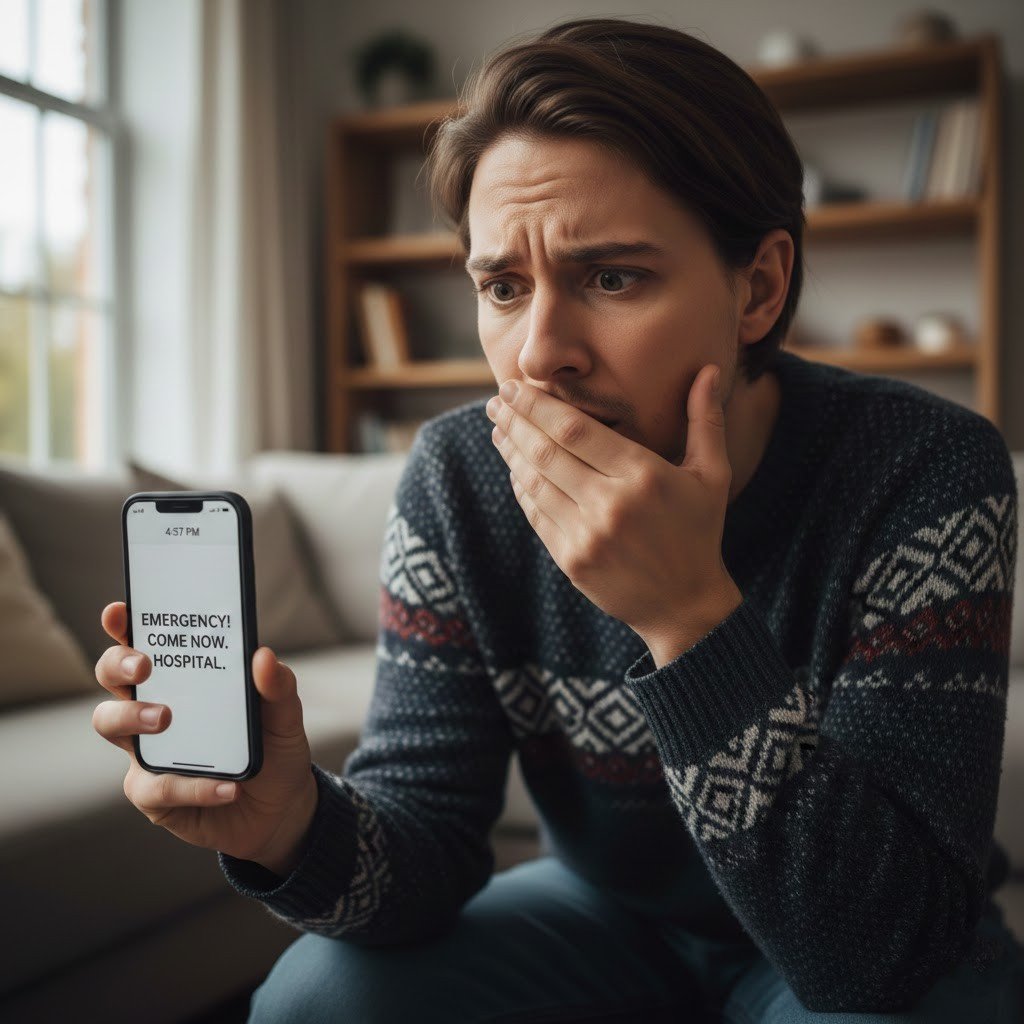
Phishing is effective as it does not aim at the technical systems, but focuses on human nature. Attackers cause fear, urgency or curiosity to hasten the action of people. Messages that seem to be official or familiar to many users are trusted by them.
Phishing Scams on Personalities

Phishing attacks are frequent attacks against individuals. People are frequently deceived by personal messages and emails through the use of social media. Attackers can impersonate banks, service providers and even friends.
Phishing Business Attacks

Phishing attacks on businesses are directed towards employees and systems. The attacks tend to focus on theft of company information or an intrusion into internal networks. One employee error is enough to reveal confidential company data.
The mode of operation of Phishing and the way it causes a loss of money

One of the largest threats of phishing is financial loss. The attackers can obtain bank accounts or credit card information. Fraud may not be detected on time by the victim hence more losses. Unauthorised transactions, as well as protracted recovery, can also come about as a result of phishing.
How to Recognise Phishing Messages

To detect phishing messages, one must be keen. These signs are spelling mistakes, general greetings and emergency demands. The warning indicators are also suspicious links and attachments that are not expected. Mistakes can be avoided by taking time to check the messages before one responds.
Significance of Good Passwords

Phishing is an element which is well defended by strong passwords. Strong passwords may lessen harm even in the event that attackers access the accounts with the help of login details. It provides an added security by using separate passwords on the various accounts.
With Two-Factor Authentication

Two-factor authentication will provide a new level of protection. It involves a second step, like a code or confirmation, in order to access accounts. Such an approach complicates the successful efforts by attackers even when they steal passwords.
Maintaining Software and Systems

Phishing can be mitigated by updating software on a regular basis. Security gaps are frequently used by attackers that are remedied by updates. With old systems, one is prone to attacks. The maintenance of devices, browsers and applications is the guarantee of increased protection and enhances the overall cyberspace safety.
