
Smartphones are designed to captivate people’s attention for long periods. Notifications, colours, and endless feeds quietly shape daily habits. Eventually, all that stimulation disrupts focus, sleep and peace of mind. A scrolling detox does not require giving up technology completely. Small, simple shifts can reduce mental noise and help restore balance. When we simplify what a phone looks like and what we use it for, the object becomes an asset again instead of being a constant distraction. These are simple steps, and once it becomes a habit, you will not even have to think about doing any of these. The aim is clarity, not limitation. A calmer phone can lead to a calmer day.
Switch to Grayscale Mode
Changing the screen to grayscale removes bright colours that attract attention. Apps look less tempting without visual cues. This simple setting reduces impulse scrolling and helps the phone feel more functional and less entertaining.
Remove Social Media from the Home Screen
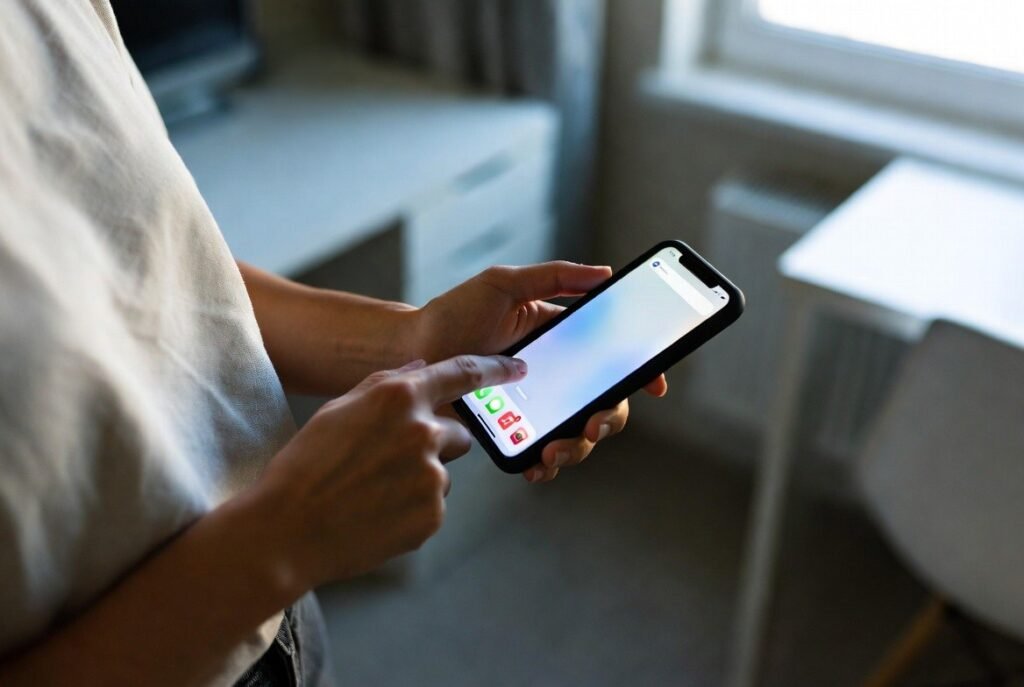
Keeping social apps off the main screen adds a pause before opening them. That pause encourages choice instead of habit. The phone continues to work, but one grows weary of senselessly tapping into the ether.
Turn Off Non-Essential Notifications

Notifications pull focus and add urgency. Disabling alerts that are not truly important restores control. Messages can still be checked intentionally, without constant buzzing pulling attention away from meaningful tasks.
Use a Plain Wallpaper
A simple, neutral wallpaper reduces visual stimulation. Busy images invite interaction and screen checking. During regular use, the phone feels peaceful and less demanding when the background is calm.
Log Out of Frequently Used Apps
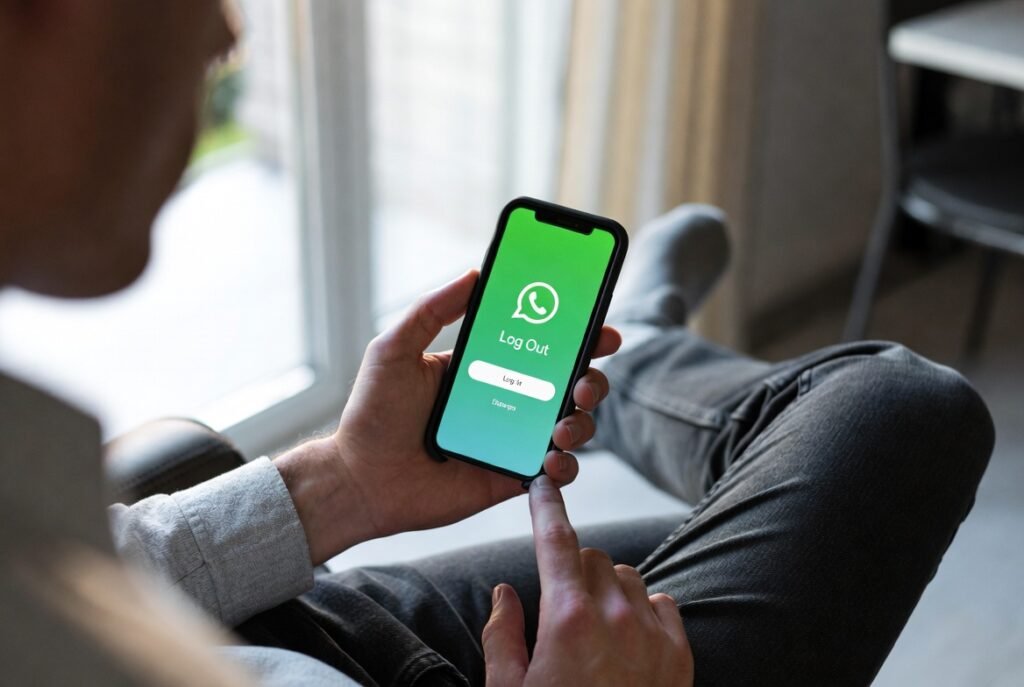
Logging out adds friction. It requires an extra step before access. This brief delay encourages awareness and reduces automatic scrolling, especially during idle moments throughout the day.
Set App Time Limits
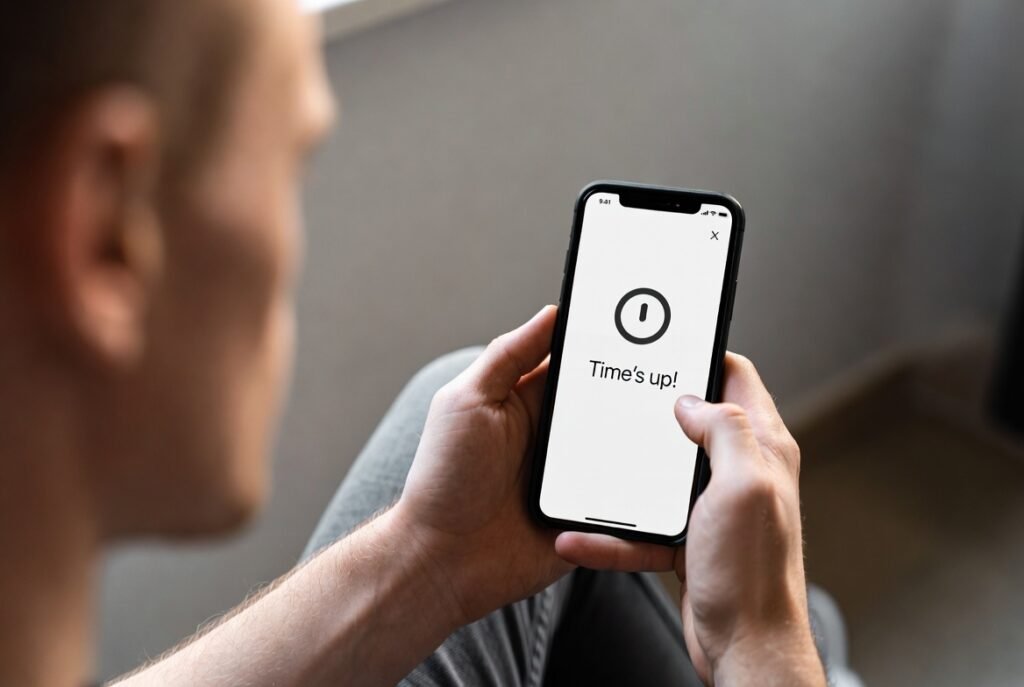
Time limits create gentle boundaries. They highlight usage patterns without pressure. When the limit appears, it serves as a reminder to pause and decide how to spend the next moments.
Replace Scrolling with Useful Tools
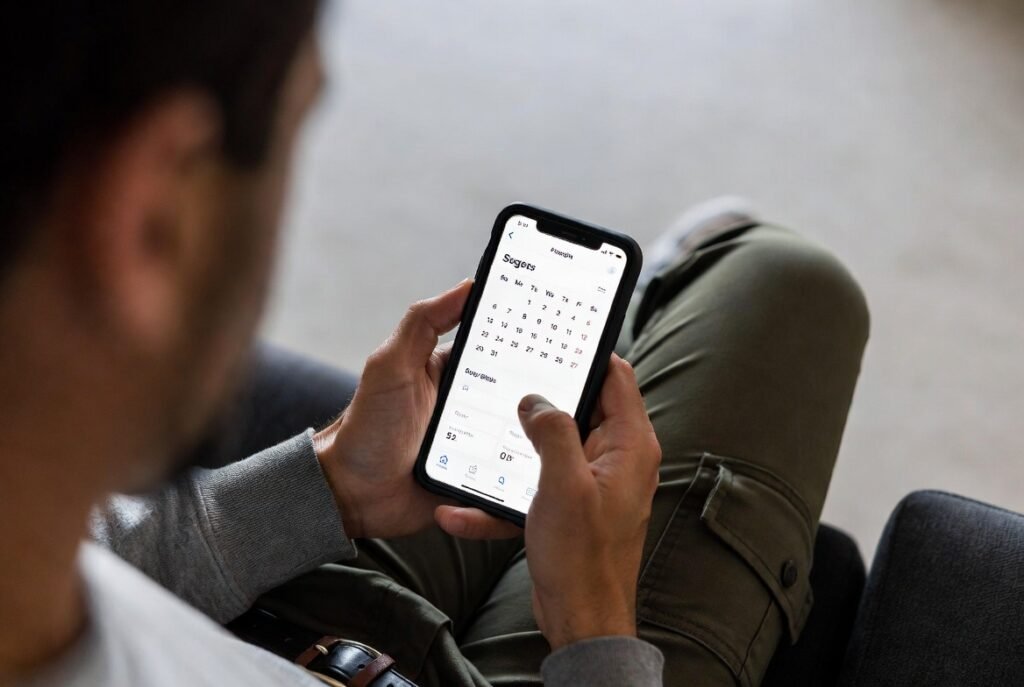
Move practical apps like notes, calendar, or weather to the home screen. This shift changes behaviour. The phone becomes a planning aid rather than a distraction device during short breaks.
Disable Auto-Play Features

Auto-play removes stopping points. Turning it off restores natural breaks. Content doesn’t scroll infinitely anymore, so you don’t feel yourself being sucked back in all the time, and it’s easier to put down the phone.
Keep the Phone Out of Reach

Physical distance reduces usage. Keeping the phone in a bag or drawer limits reflex checking. This small change improves concentration during work, meals, and quiet moments.
Use Focus or Do Not Disturb Modes
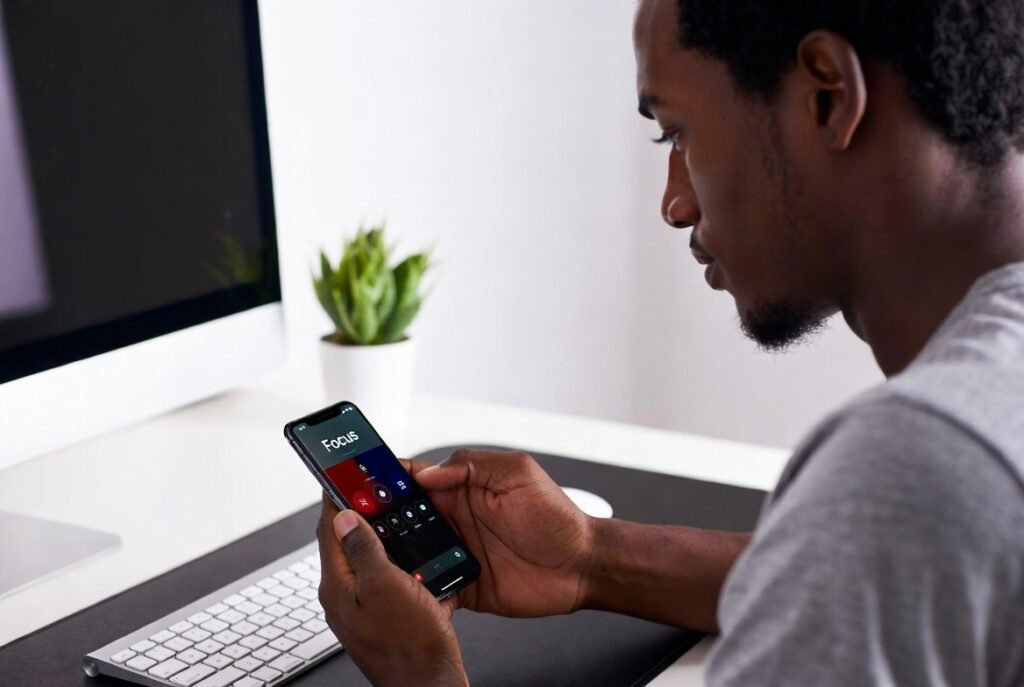
Focus modes filter interruptions during specific hours. They protect time meant for rest or concentration. Important contacts remain reachable, while unnecessary alerts stay silent.
Schedule Daily Phone-Free Time

Designating phone-free periods builds healthier habits. Even short breaks help reset attention. Reading, walking, or quiet reflection fills the space left by reduced screen use naturally.
