
Workplace conversations have evolved in recent years, especially when it comes to discussing salary, promotions, and difficult feedback. Many professionals now turn to tools like ChatGPT to practice these conversations in advance. What once felt intimidating can now be approached with greater preparation and clarity. By simulating real-life discussions, individuals gain confidence, refine their language, and anticipate responses before stepping into important meetings. This growing habit reflects a broader shift toward thoughtful communication, where preparation plays a key role in professional growth and relationship-building at work.
Practicing salary negotiations confidently

Users simulate salary discussions to refine tone and wording. This helps them avoid hesitation, choose clear phrases, and present their expectations in a balanced, respectful way during real workplace conversations.
Preparing for performance reviews

By rehearsing feedback sessions, individuals learn how to highlight achievements without sounding overconfident. This preparation helps them stay focused, structured, and calm when discussing their performance with managers.
Handling difficult workplace conversations

Practicing tough scenarios like addressing conflicts or requesting changes allows users to explore different responses. This reduces anxiety and encourages thoughtful communication instead of reacting emotionally during real discussions.
Improving professional language and tone

Users refine how they phrase requests, ensuring clarity and professionalism. This helps avoid misunderstandings and creates a more positive impression when communicating with supervisors or colleagues.
Anticipating possible responses

Simulated conversations allow users to prepare for different reactions. Whether the response is positive or challenging, they feel better equipped to handle it with confidence and composure.
Building confidence through repetition

Repeating conversations helps reduce nervousness. The more someone practices, the more natural their words feel, making real-life discussions smoother and less stressful.
Structuring thoughts more clearly

Practicing with structured prompts helps users organize their ideas logically. This ensures they communicate key points effectively without missing important details during important conversations.
Reducing fear of rejection
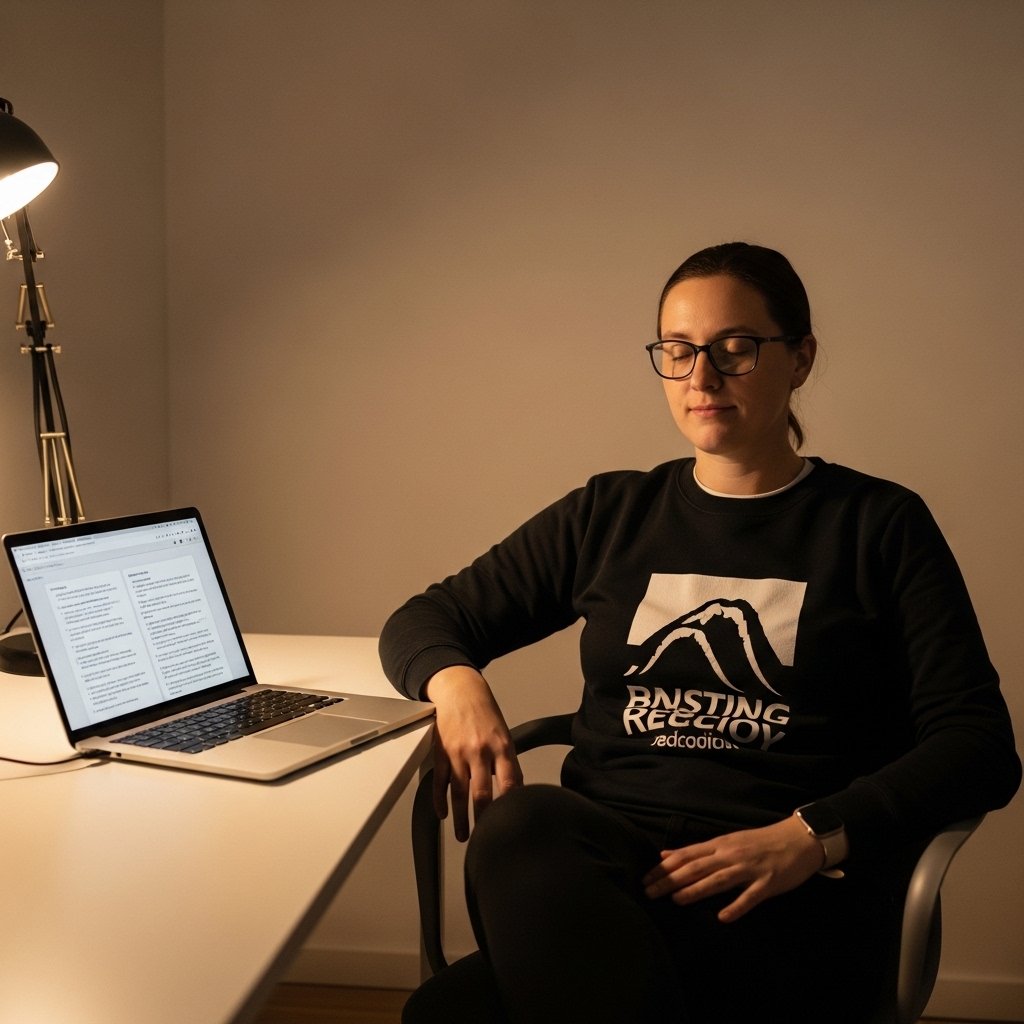
By rehearsing different outcomes, users become more comfortable with the possibility of rejection. This mindset shift helps them stay composed and open to constructive dialogue.
Learning to ask better questions

Practice sessions highlight the importance of asking thoughtful questions. This leads to more productive discussions and helps users gather useful insights during workplace conversations.
Strengthening negotiation strategies

Through repeated practice, individuals develop stronger negotiation approaches. They learn when to pause, when to push, and how to present their value more effectively.
Encouraging self-reflection

Rehearsing conversations helps users reflect on their goals and priorities. This clarity improves decision-making and ensures they communicate what truly matters to them.
