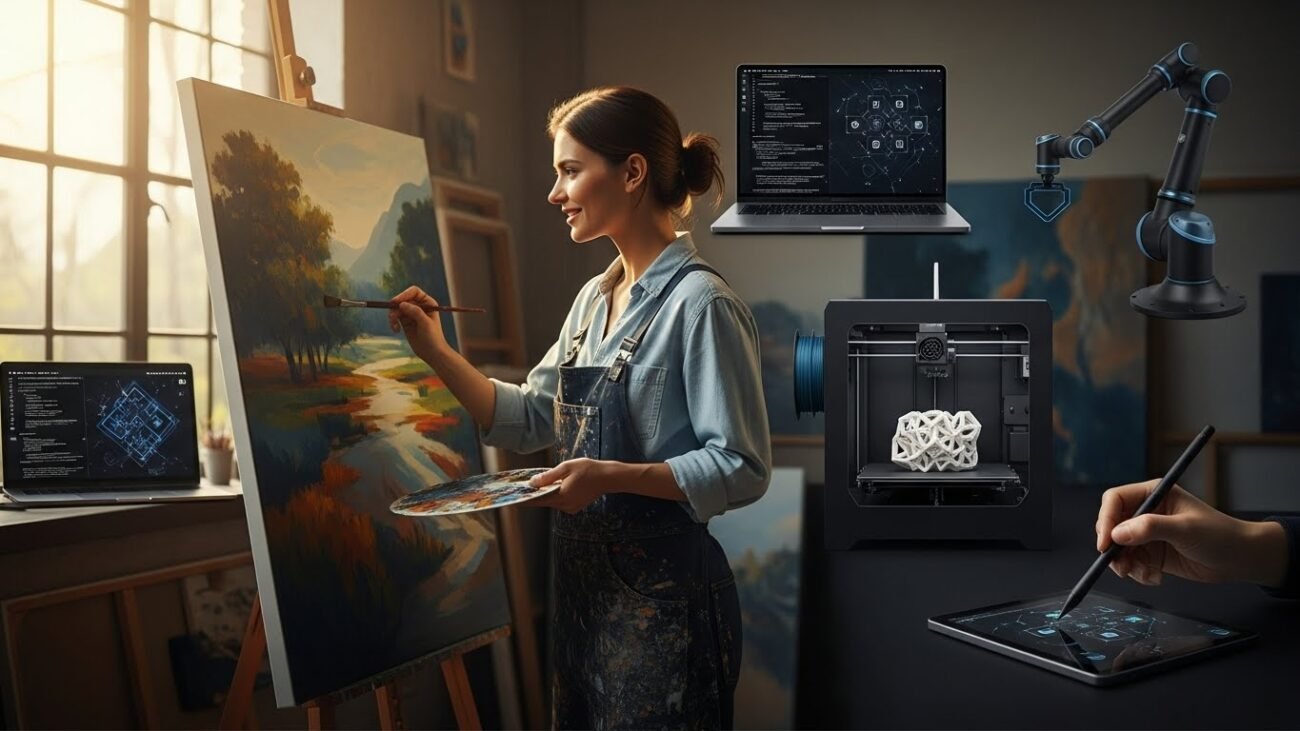
Artificial intelligence has penetrated forms of creativity previously reserved solely for humans. These days, artists toil alongside tools that can produce images, music and text in a matter of seconds. This shift brings opportunity and unease at the same time. Original work depends on intention, experience, and personal vision. AI challenges how originality is defined and protected. Some creators see support and efficiency. Others fear loss of credit and value. The conversation is no longer about technology alone. It’s about fairness, acknowledgment and the future of creative labour. This balance is something all artists, audiences and cultural institutions need to consider.
Redefining Originality
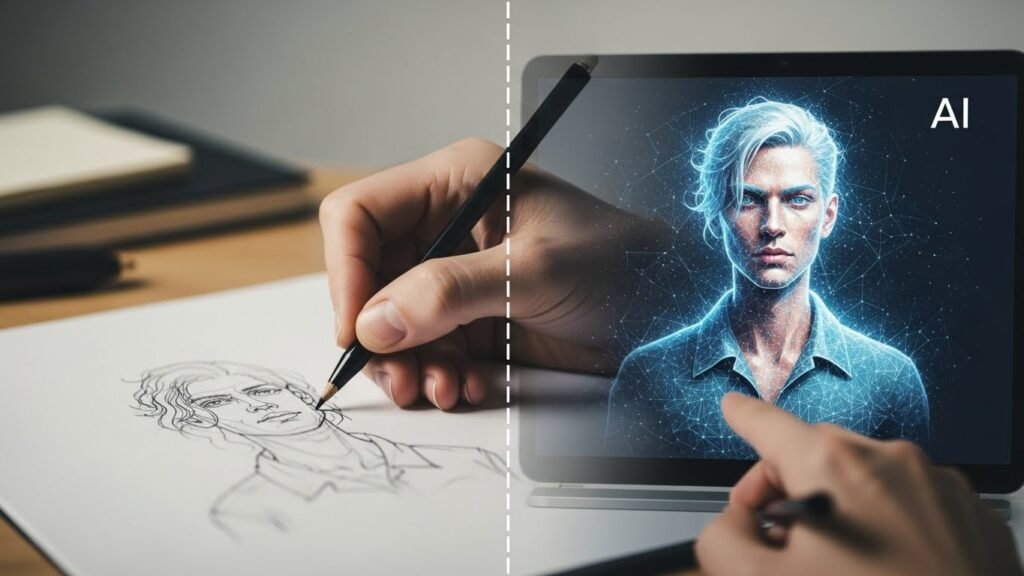
AI tools remix existing patterns to produce new outputs. Artists question whether originality still means personal creation. This debate reshapes how creative ownership is judged and how value is assigned to human-made work.
Speed Versus Craft
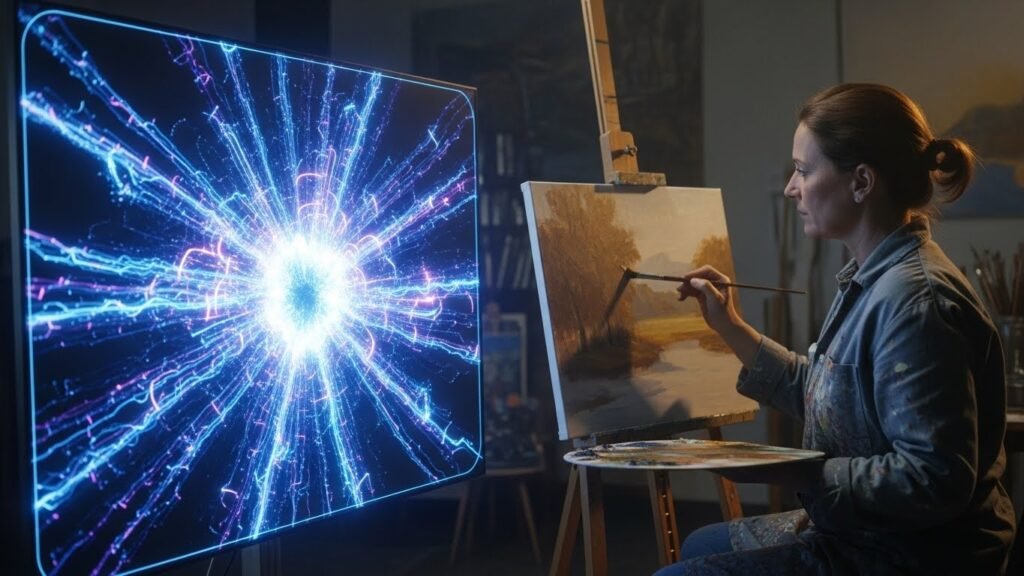
AI accelerates production. Time and patience are what classic art needs. Many artists worry that fast creation weakens respect for skill, practice, and thoughtful development built over years of learning.
Changing Creative Workflows

Some artists integrate AI as a support tool. It helps with drafts, references, or experimentation. There remains human judgment in determining the final selections, keeping things personal while disrupting long-practised creative patterns.
Copyright and Ownership Concerns
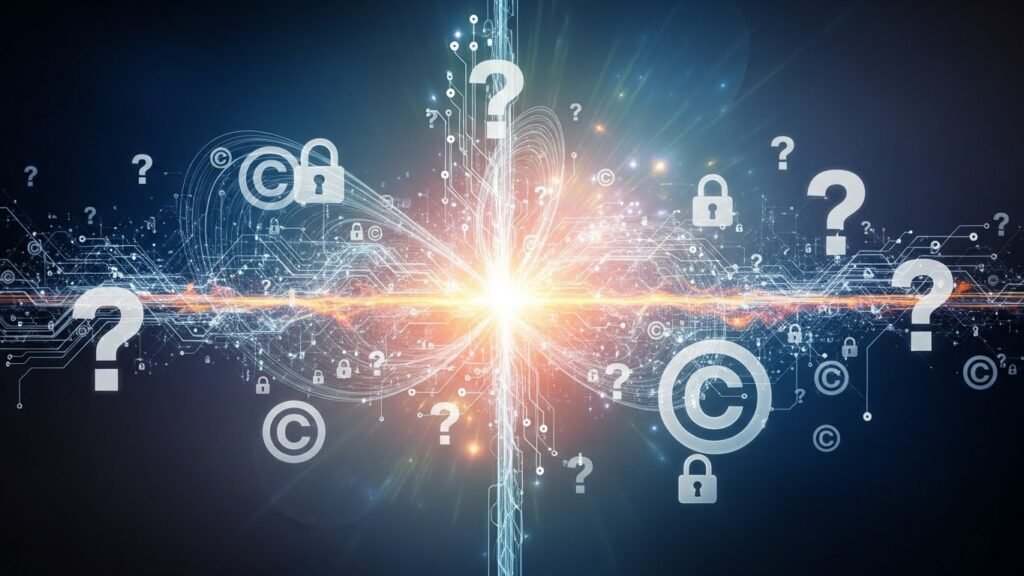
Who owns AI-assisted work is an unsettled question. Artists fear their styles being used without consent. Clear legal frameworks are still developing, leaving creators uncertain about protection and compensation.
Economic Pressure on Artists
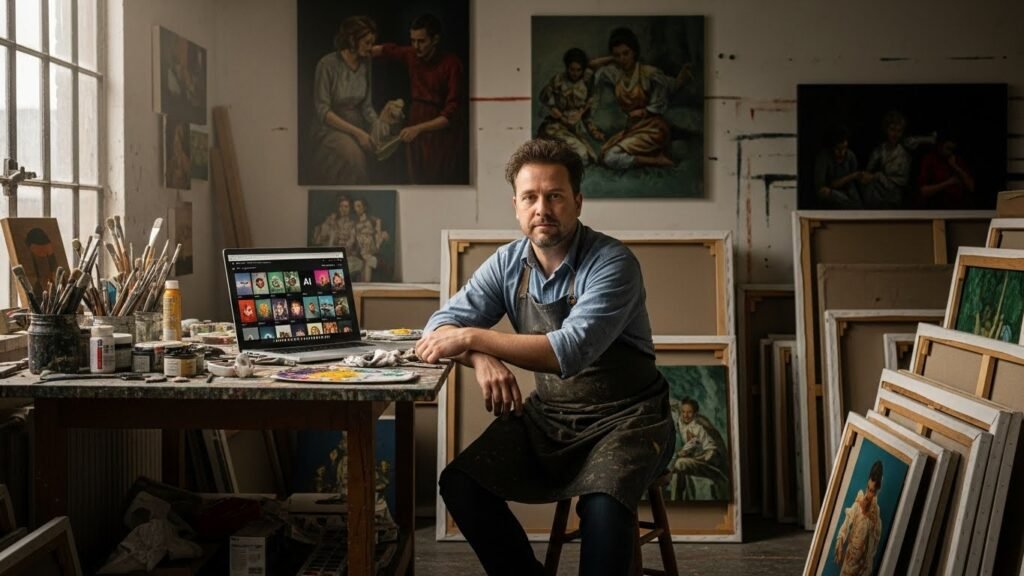
AI-generated content lowers production costs. This creates competition for commissioned work. Many artists face reduced income and must justify why human-made art deserves fair payment.
Audience Perception Shifts
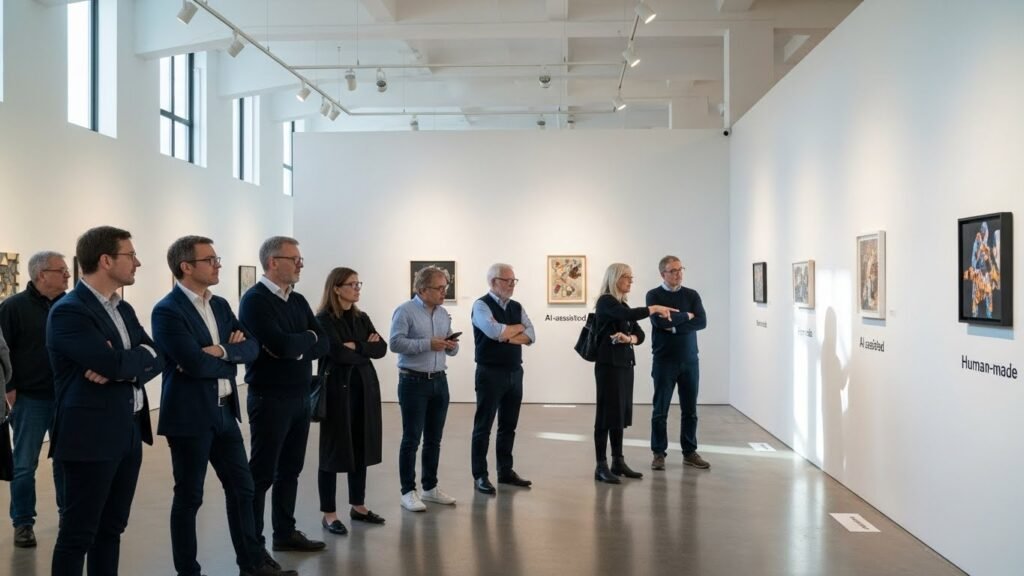
Viewers and buyers now question how art is made. Transparency matters more. Audiences often seek emotional connection, which still draws them toward work rooted in lived human experience.
Cultural Diversity at Risk
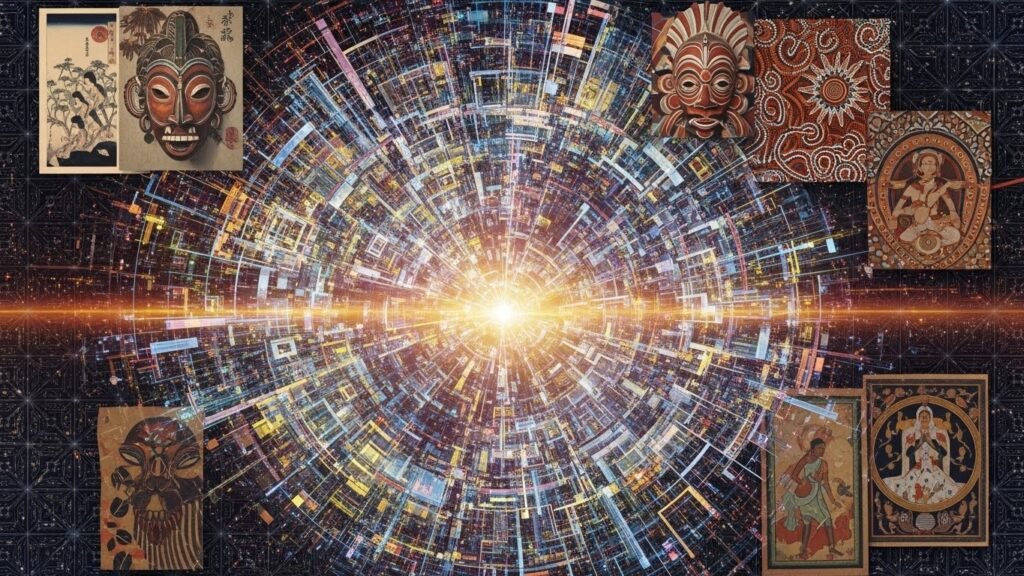
AI systems often reflect dominant data sources. Minority styles and regional traditions may be underrepresented. Artists worry this could narrow cultural expression instead of expanding it.
Skill Development Changes
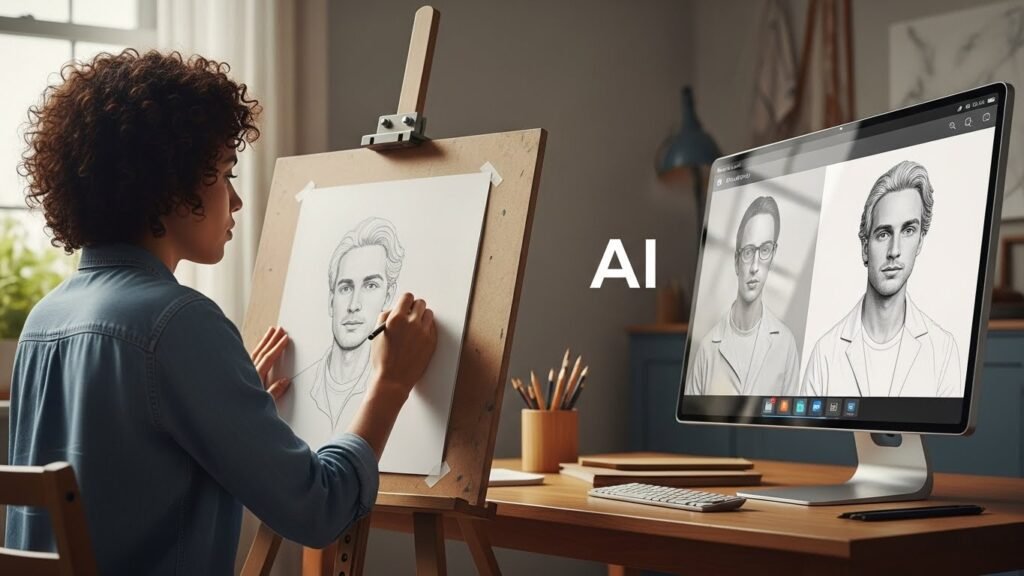
Learning art once required slow mastery. AI shortcuts may reduce foundational training. Many educators and artists emphasise the importance of learning the basics before depending on automatic assistance.
Ethical Responsibility of Creators
AI raises ethical choices for artists. Ethical use would involve openness, a respect for source material and conscientious goals. These are the choices that build trust between authors and the reading public.
Emotional Depth and Human Insight
AI can imitate form but not lived experience. Human artists draw from memory, emotion, and reflection. These elements continue to give original work lasting meaning and depth.
The Future of Collaboration
Rather than replacement, many artists foresee collaboration. AI becomes a tool, not an author. Human creativity remains central, guiding direction, values, and purpose in original artistic work.
