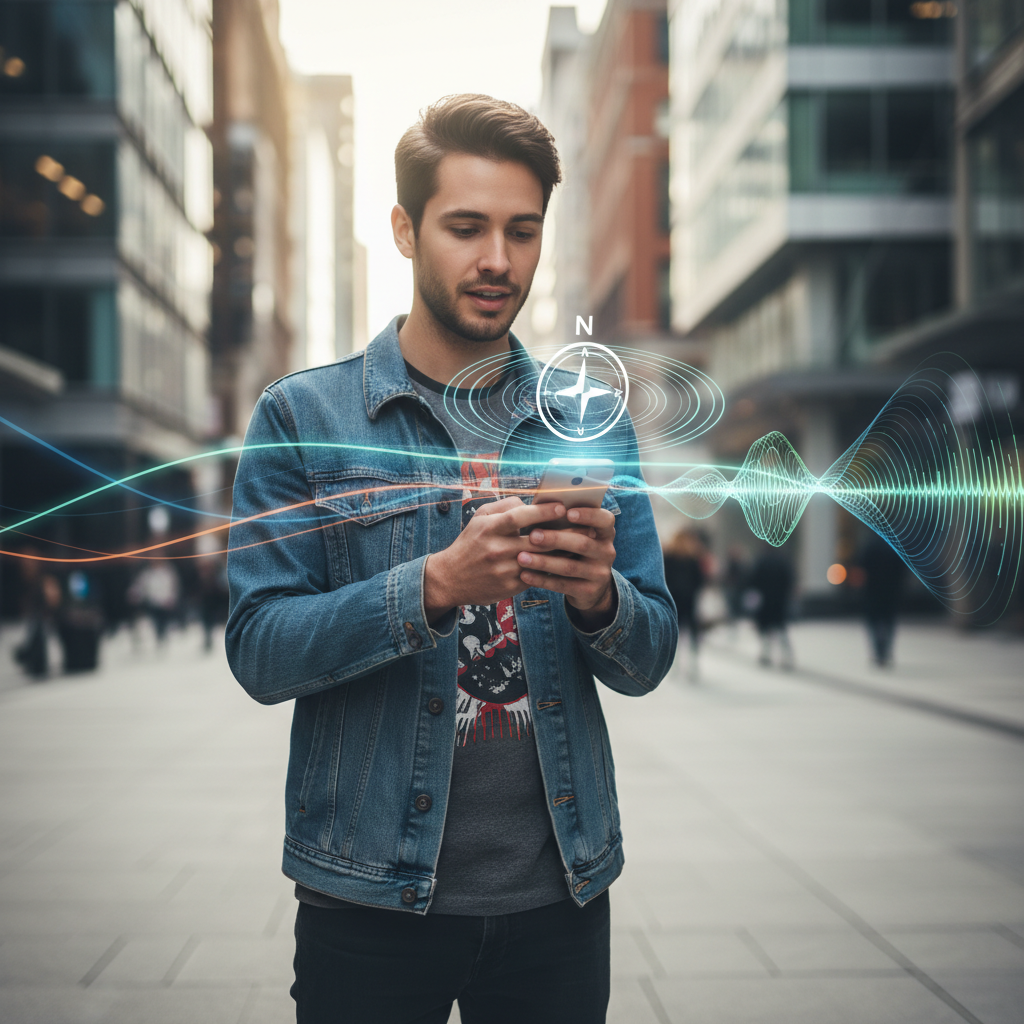
Today’s Android phones have long since left the “smarter” part of that equation behind, and there is arguably less need for a dozen sensors in one device than ever before, awareness-wise. In addition to the usual touchscreen, camera and GPS, your device sneakily follows changes in its environment, motion and orientation to improve performance and apps. Most of those sensors do their job in the background, and you are not likely to ever notice them. See how we test GPS devices. They help improve battery efficiency, provide better navigation, and even monitor device health. Unlocking their potential can give you smarter app experiences and more accurate data without installing extra hardware. In this article, we explore eleven sensors you likely have but rarely use, revealing how they quietly make your phone smarter.
Proximity Sensor

This sensor senses the proximity of your face or an object to the screen. It’s mainly used to put the screen to sleep during calls so you don’t accidentally touch other apps.
Ambient Light Sensor

It uses ambient light sensors to automatically change screen brightness. You may save battery and spare your eyes in bright or dark environments.
Gyroscope
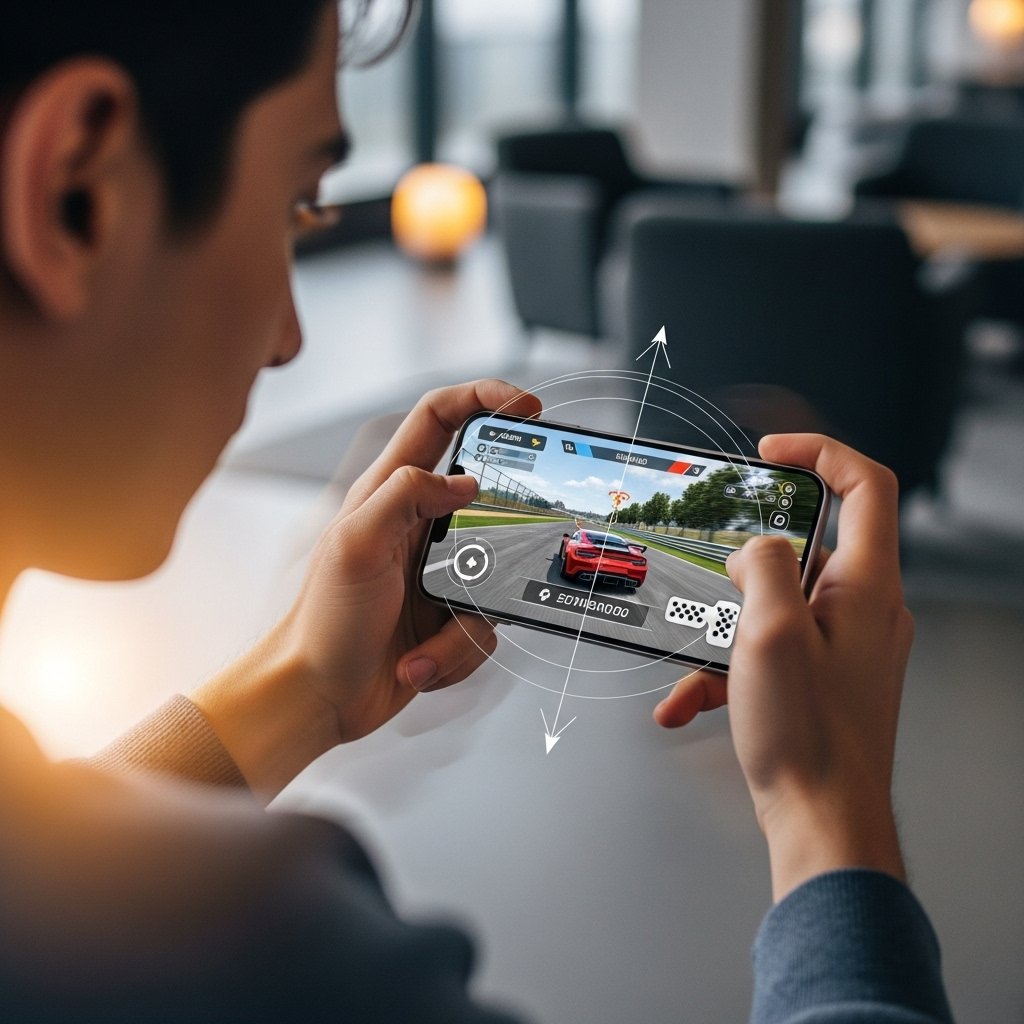
The gyroscope tracks rotation and orientation. It enhances gaming, AR apps, and camera stabilisation, giving smoother movements and accurate tilt detection.
Barometer

Barometers track air pressure, allowing for altitude detection. They can enhance GPS accuracy, weather apps and fitness tracking, especially when counting floors climbed.
Magnetometer
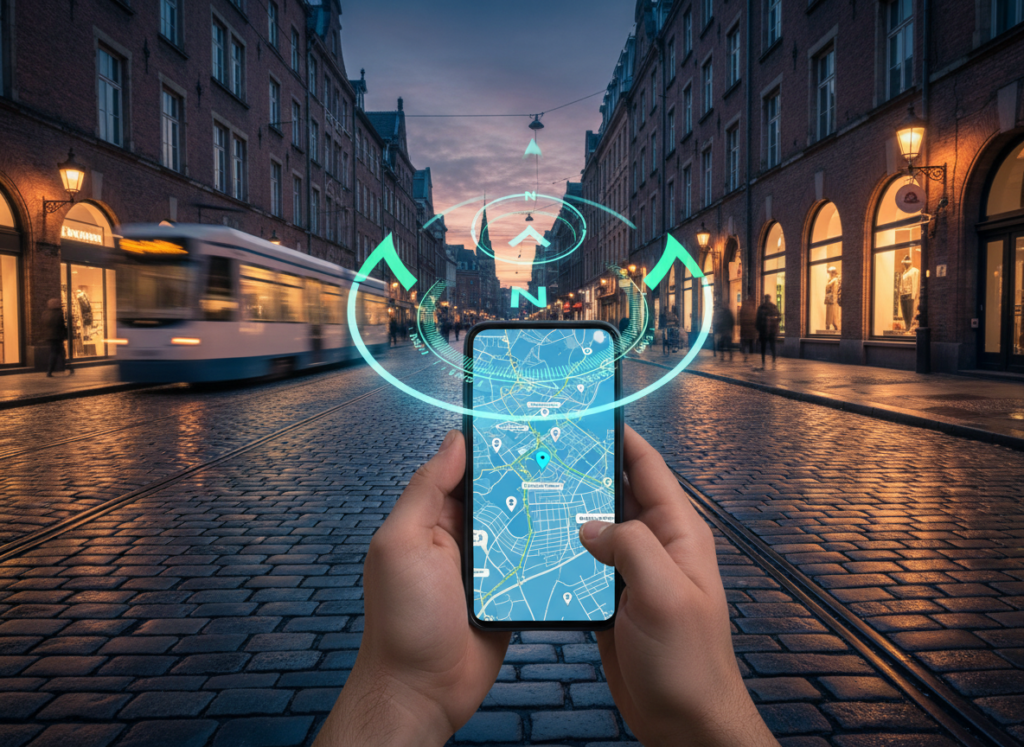
This sensor also serves as a digital compass that detects magnetic fields. It supports navigation apps and helps orientation in augmented reality applications.
Accelerometer
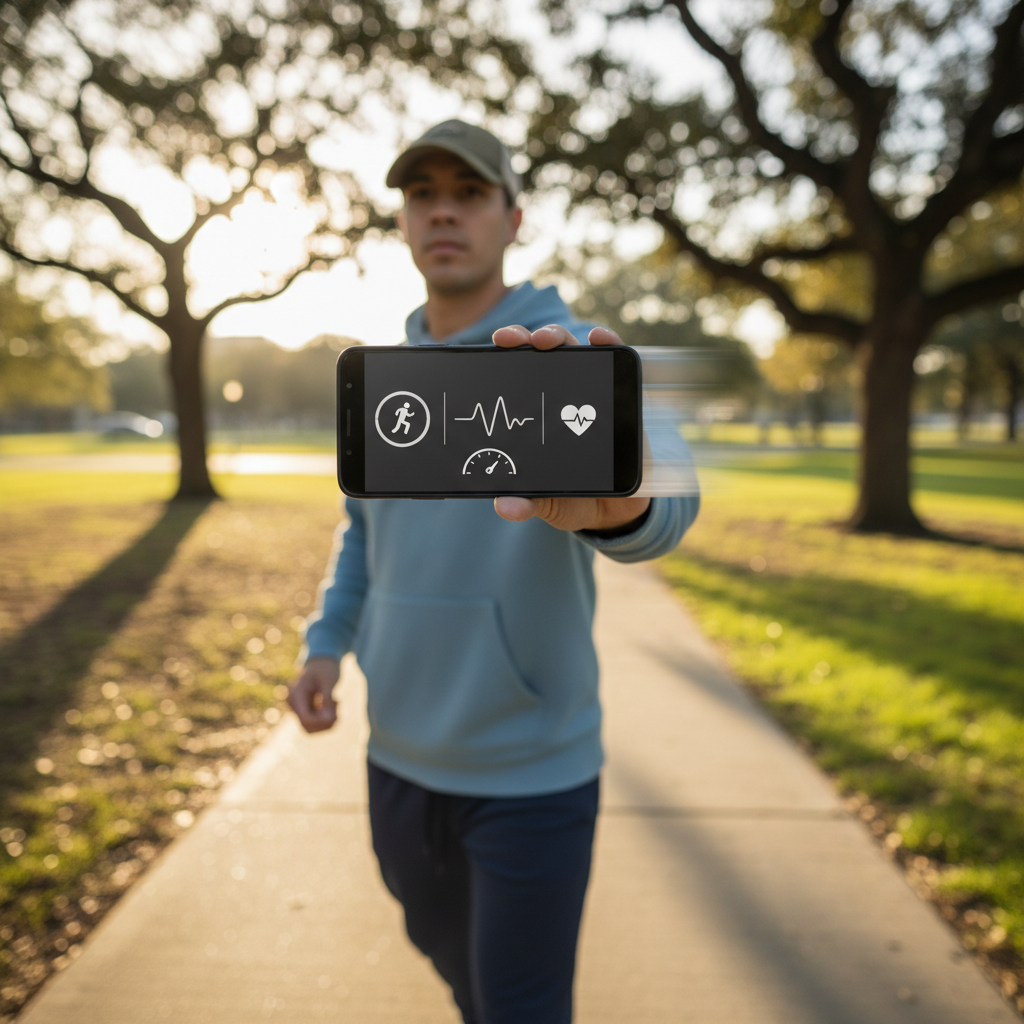
The accelerometer senses motion and acceleration. It’s essential for step tracking, detecting device orientation, and triggering screen rotation.
Temperature Sensor
Some phones include a sensor that monitors the device or battery temperature. It helps prevent overheating and allows apps to optimise performance under heat stress.
Humidity Sensor
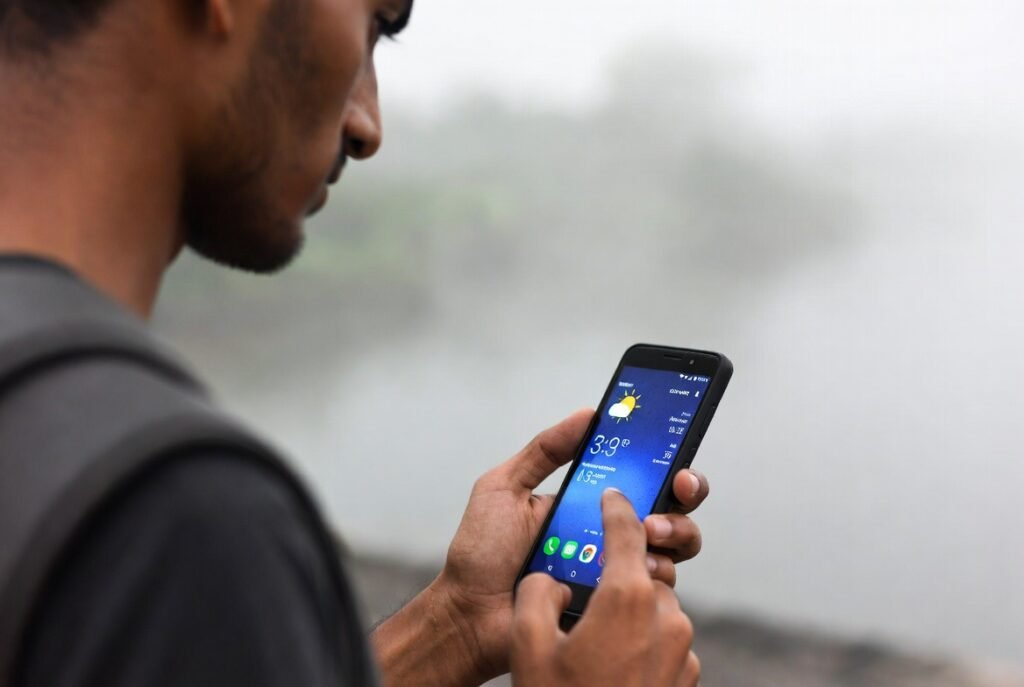
Found in select models, this sensor measures environmental moisture. It can improve weather forecasting, environmental monitoring apps, and even indoor comfort tracking.
Hall Sensor
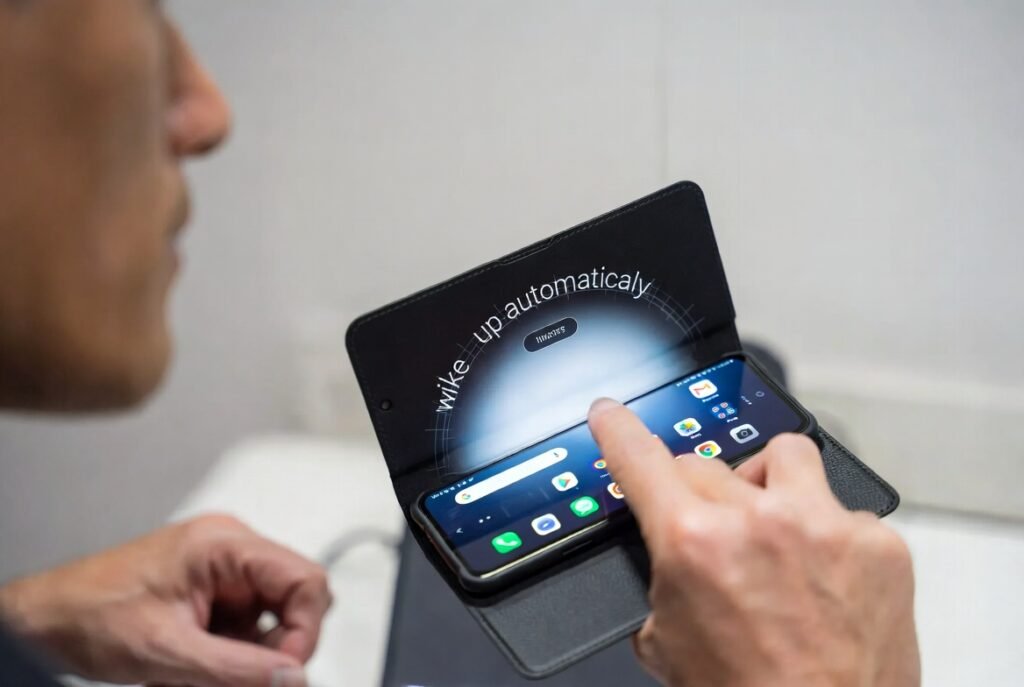
Hall sensors detect magnetic fields for flip covers or smart accessories. They can automatically wake or lock the device when a cover is opened or closed.
Step Counter
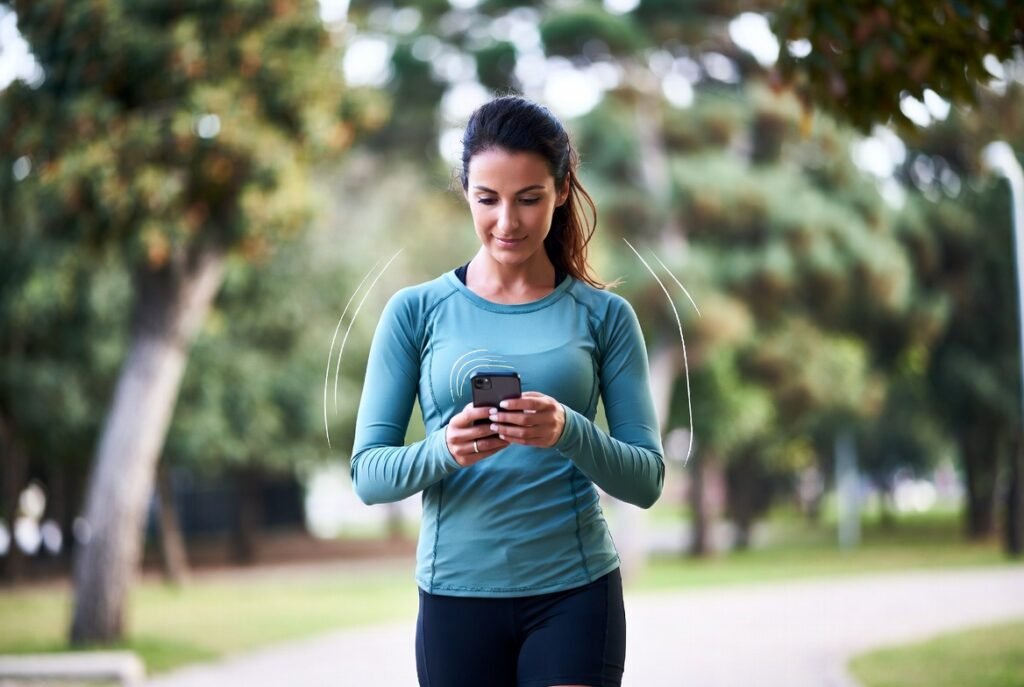
Separate from the accelerometer, this sensor tracks walking or running steps. It integrates with fitness apps for accurate activity monitoring throughout the day.
Heart Rate Sensor
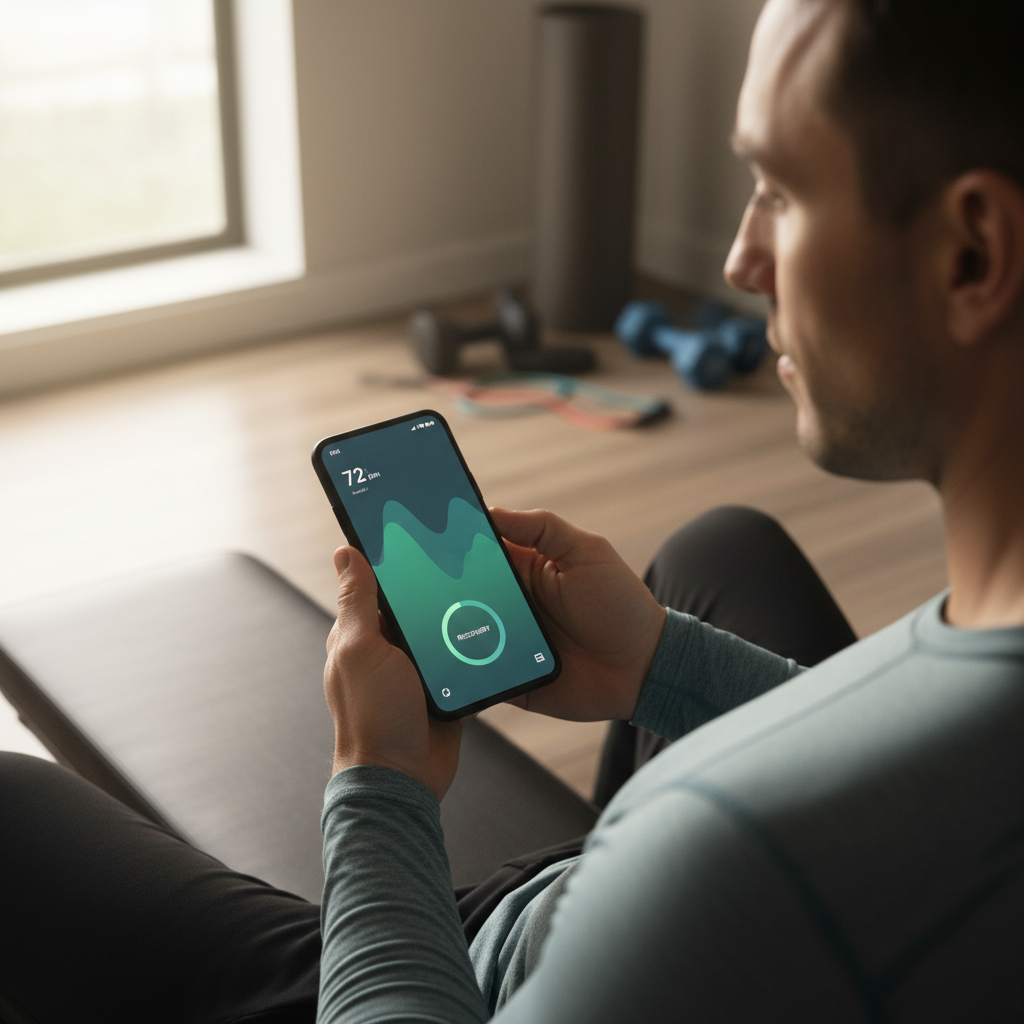
Available on some devices, it measures pulse using light sensors. It assists fitness apps by providing heart rate data during exercise or rest periods.
