
When the devices become upgraded or substituted, old USB cables usually remain unnoticed in a forgotten state in the drawers. The general belief is that these cords are no longer of value, but in the actual sense, the majority of them are still in good condition to perform normal chores. USB cables are handy gadgets that can be used to charge, transfer data, organise, learn and create projects at home or the workplace. Their reuse conserves and saves on the amount of electronic waste, saves money and makes life routines easier. A little thinking can be used to utilise even the slightly olden day cables, as they may be used across the various rooms, bags and equipment. How these simple accessories can work to stay in your home, think and think before throwing them away.
Backup Charging Cables

Charge older phones, power banks, earbuds, keyboards and e-readers with reliable spare cables. Keep an extra in your travel bag, at the office, or in your car as a back-up for any time you need to top up day by day Made of just 6 little bolcks so that this charger is not just small, it has been specially designed to look small and be simple when all you want is auxillary power Embracing technology with style People hate running out of battery.
Dedicated Desk Setup

Install older cables permanently to desks or workstations to charge mice, headphones, or tablets. This prevents plugging in and out of main chargers, maintaining installations clean, and having devices active throughout maximum working hours with no need to switch cables.
Car Charging Companion
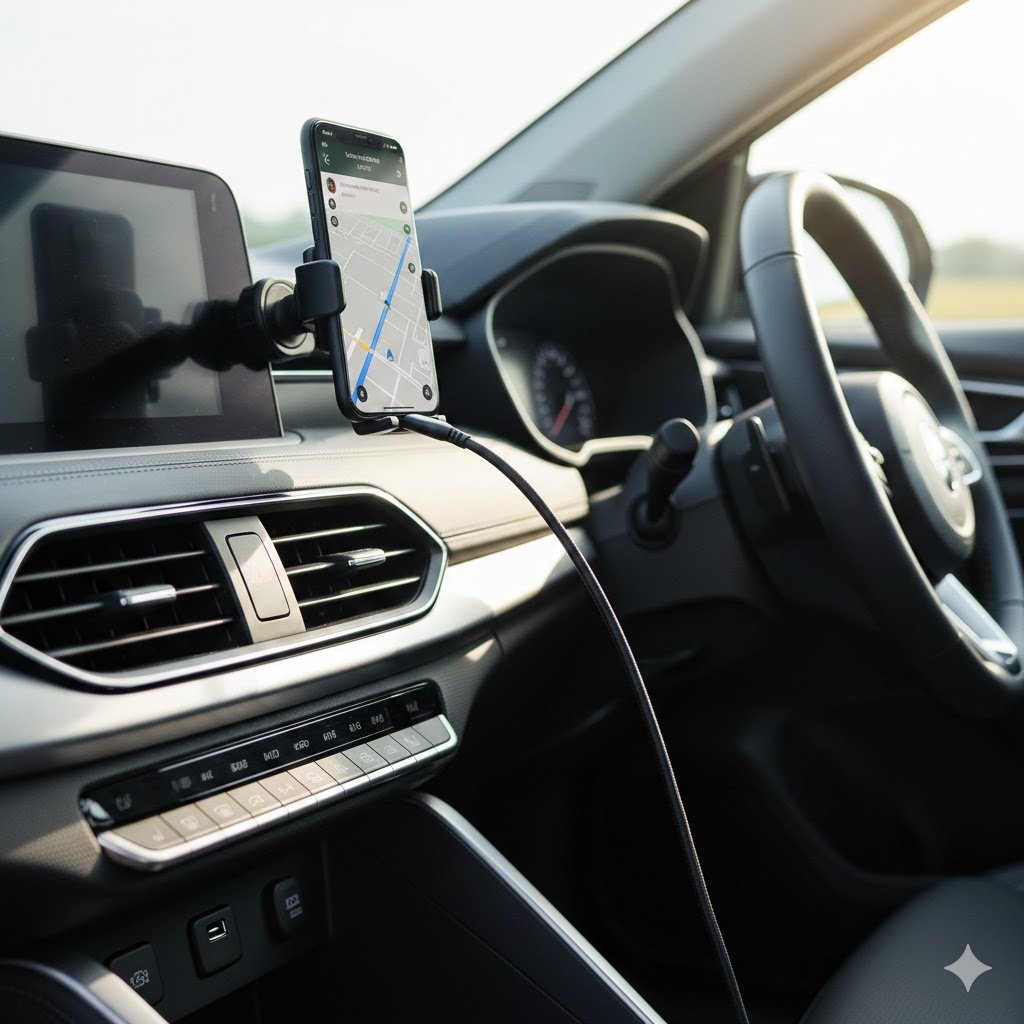
Always keep extra USB cables in your automobile to use for navigation, music, or as an emergency. This is an easy routine that will help in making travelling safe, ensuring the phone is charged during the long commute, and not being frustrated by forgetting the primary cords at home.
Power Small Gadgets
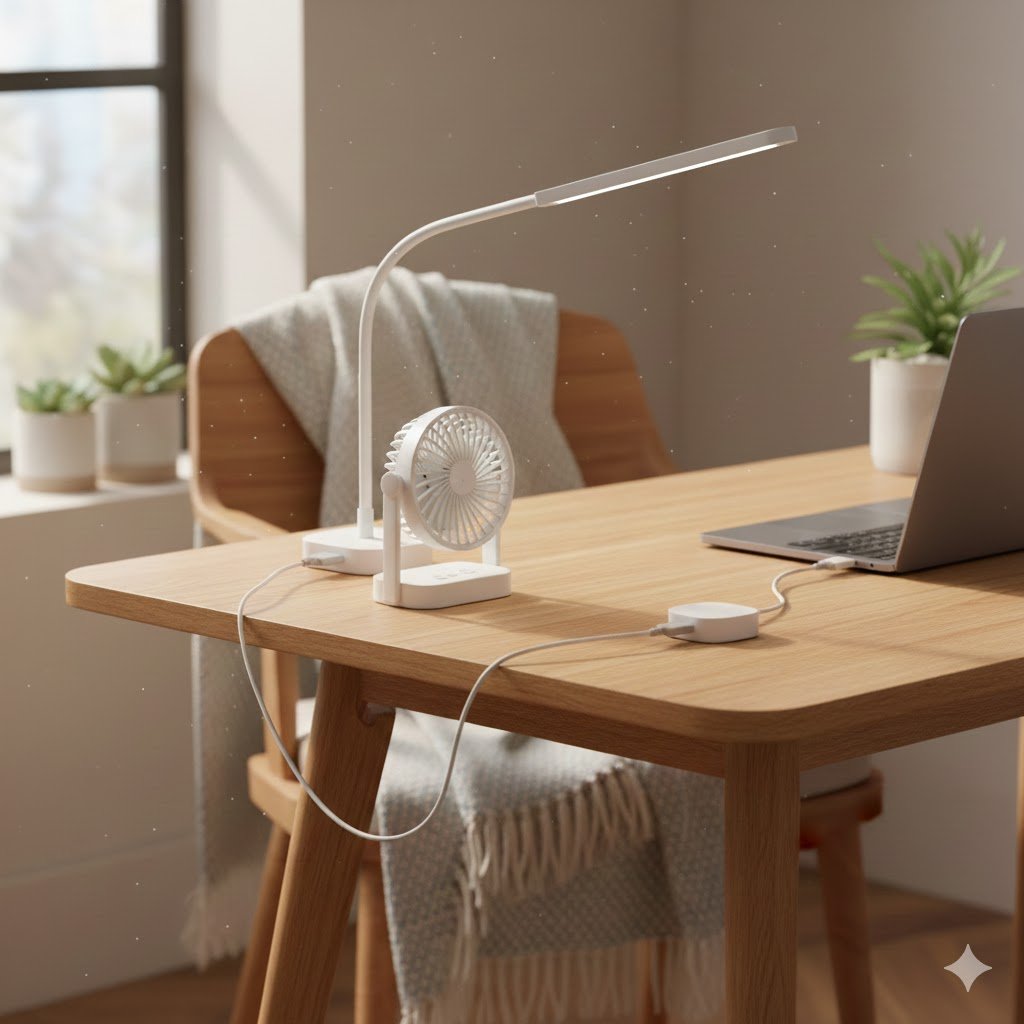
Turn desk fans, LED lamps, humidifiers, or clocks on with older cables via USB adapters. A lot of domestic appliances do not require much power, so it would be fine to use older cords without putting your new and high-speed charging cables at risk.
File Transfer Tool
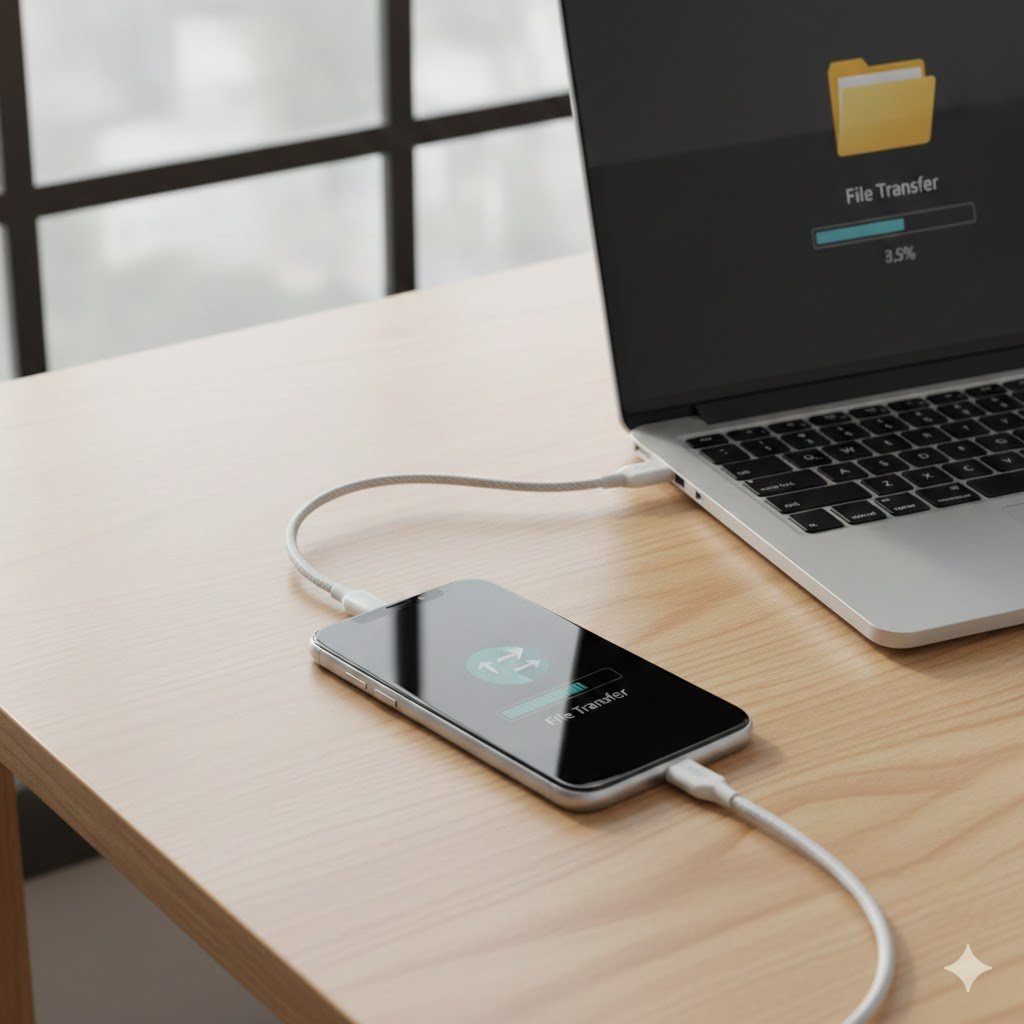
Keep using USB cables to move pictures, documents and backups among computers and devices. The slower cables can still serve to move data infrequently, as well as when it comes time to transfer data over the air, and the wireless connections are not available or are not stable due to a crisis.
Emergency Kit Essential
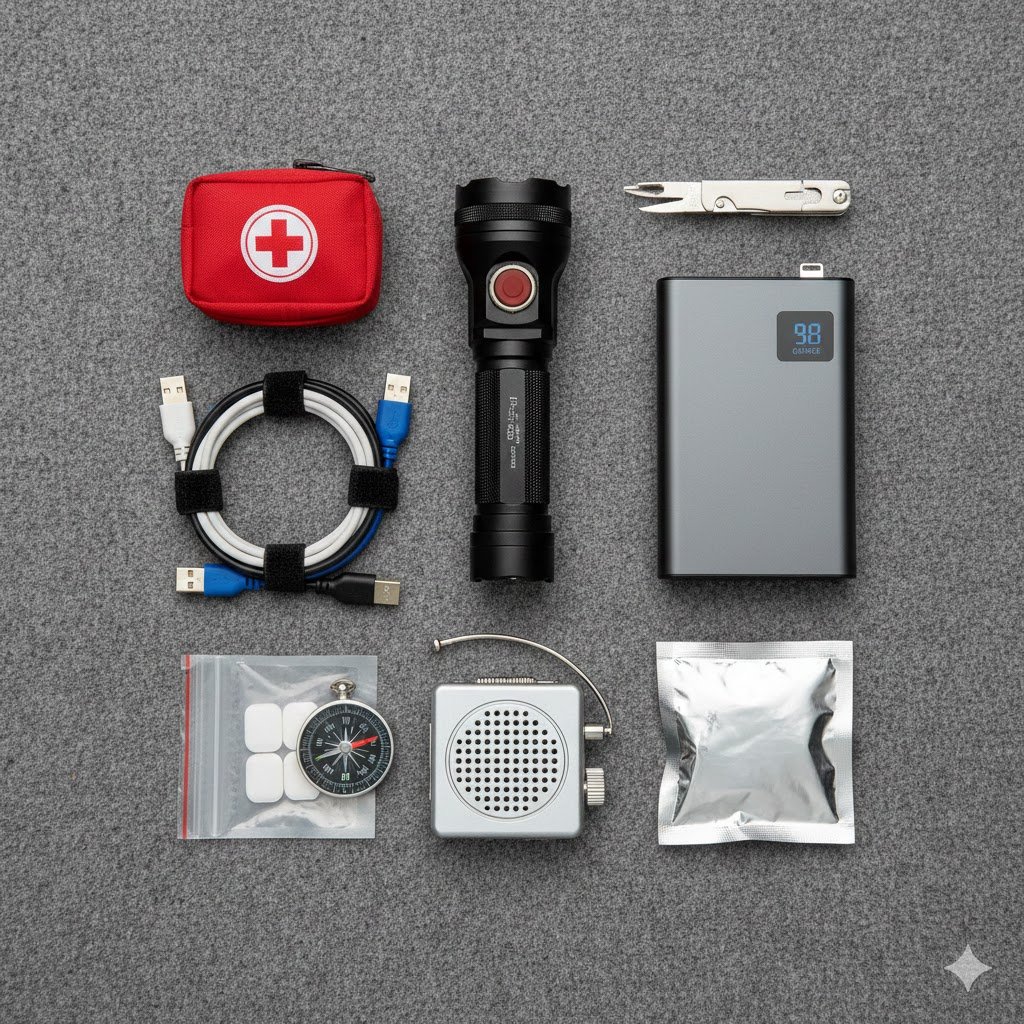
Place spare USB cables into emergency packets with Flashlights and power banks. Whenever there are power outages or during travelling inconveniences, reliable charging will take care of communications, navigation, and information access where normal sources of power are cut off for hours.
Learning and DIY Projects
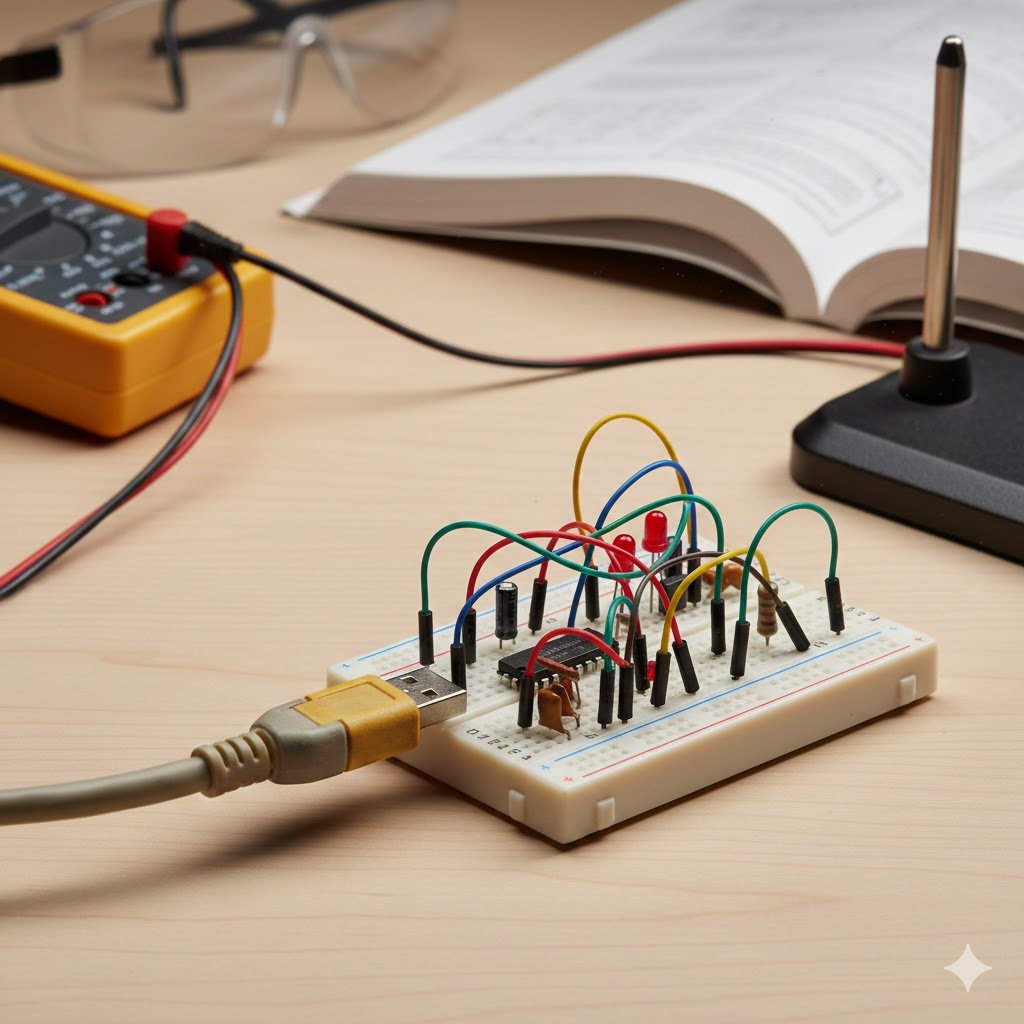
The old USB cables are good for learning electronics or doing school experiments, or just a DIY project. They permit safe use with power connections, testing ports or knowledge of the fundamentals of wiring with no threat to newer or costly accessories.
Cable Management Practice

You might not mind that older cables will be used to teach someone else tips about how to organise that cable: labelling, coiling, how to stow it, etc. This is convenient for building habits with the workers keeping workplaces in order and not destroying new cables by incorrect operation or permanent bending.
Guest-Friendly Charging
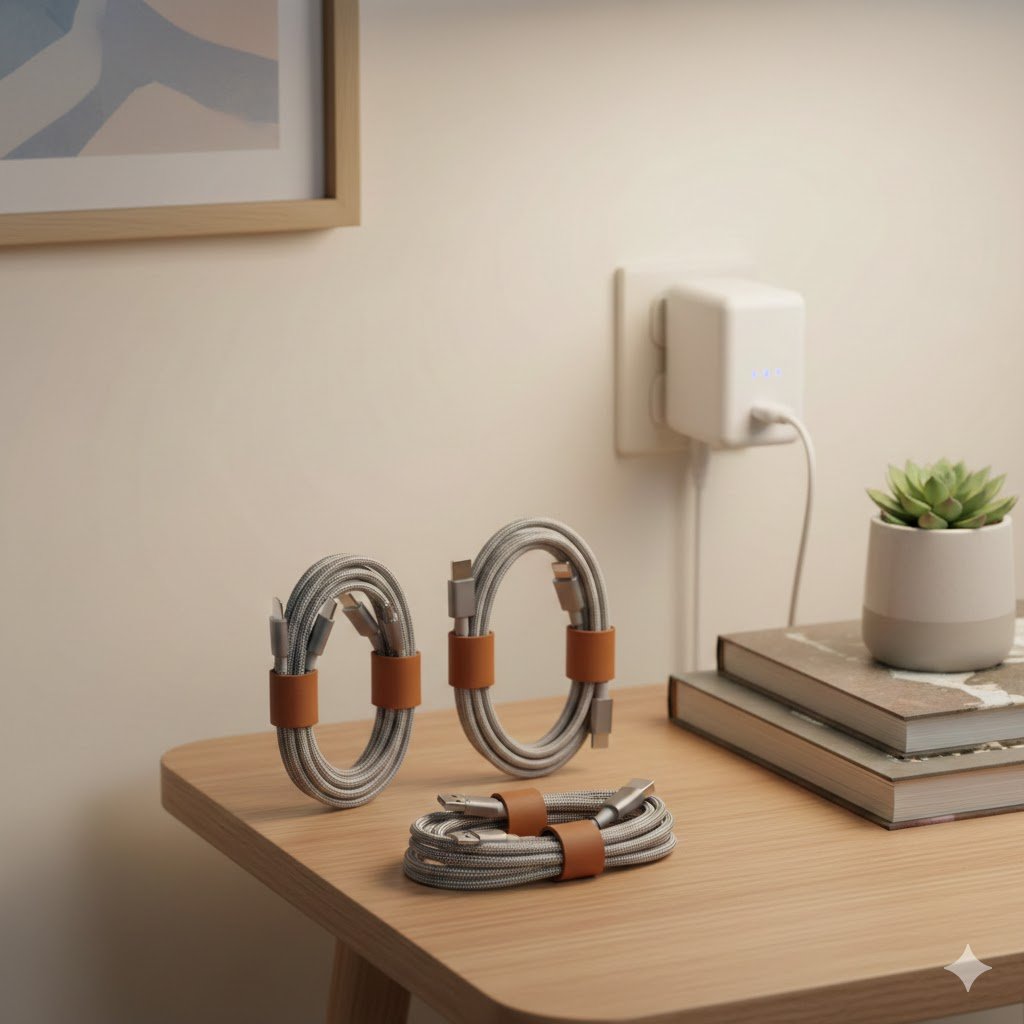
Have extra USB cables ready so that the guests can charge phones or other devices. Having a cable which is easy to access enhances convenience and means that visitors do not need to share personal chargers, and in the process it saves embarrassing asking around to borrow one or waiting as visitors wait to get a charge.
Backup for Smart Devices

USB powers many smart cameras, video surveillance and streaming devices. Old cables can serve as trustworthy backup options so devices don’t suddenly stop working if the original cable is lost or damaged.
