
Technology now shapes daily routines in quiet ways. Payments move faster. Office workers work from many places. Homes respond to simple voice commands. These changes feel natural, yet they are driven by strong innovation behind the scenes. New tools are not waiting for the future. They already guide work, travel, learning, and healthcare. Businesses adapt their plans. Families adjust habits. Governments test digital systems. The coming years will deepen these shifts. Some tools will fade. Others will grow into daily essentials. Being in the know of what is on the rise allows people to be prepared when they can, to make better choices and to embrace change.
Artificial Intelligence Assistants

Schedules, drafts and searches for data are all now run by digital assistants. They support decision-making at work. Many offices rely on them for speed. Their role keeps growing as systems learn from feedback and daily usage.
Smart Home Automation

Homes use connected lights, locks, and climate controls. These tools reduce manual effort. Energy use becomes easier to track. Daily comfort improves. Simple voice commands manage many routine tasks across rooms and devices.
Electric Mobility Networks

Charging networks for electric vehicles in cities and on highways. Public transport adopts electric fleets. Maintenance costs decline. Cleaner travel options appear practical. Long-distance travel becomes more reliable with stronger battery designs.
Wearable Health Monitors

Watches and bands now track heart rates, sleep patterns, and activity levels. People check progress daily. Doctors use shared data for basic assessments. These tools support healthier habits through gentle reminders.
Cloud-Based Workspaces

Teams work from shared digital platforms. Files remain accessible across locations. Meetings happen online. Workflow becomes flexible. Companies reduce office space needs while keeping coordination steady and reliable.
Virtual Learning Platforms

Students access lessons from home. Recorded sessions allow repeat study. Teachers track progress online. Skill courses expand faster. Learning becomes more personal, steady, and less tied to physical classrooms.
Digital Payment Ecosystems

Contactless payments grow in shops and transport. Mobile wallets store cards securely. Transactions finish quickly. Cash use has reduced. Spending records remain easy to review and organise later.
Robotics in Logistics
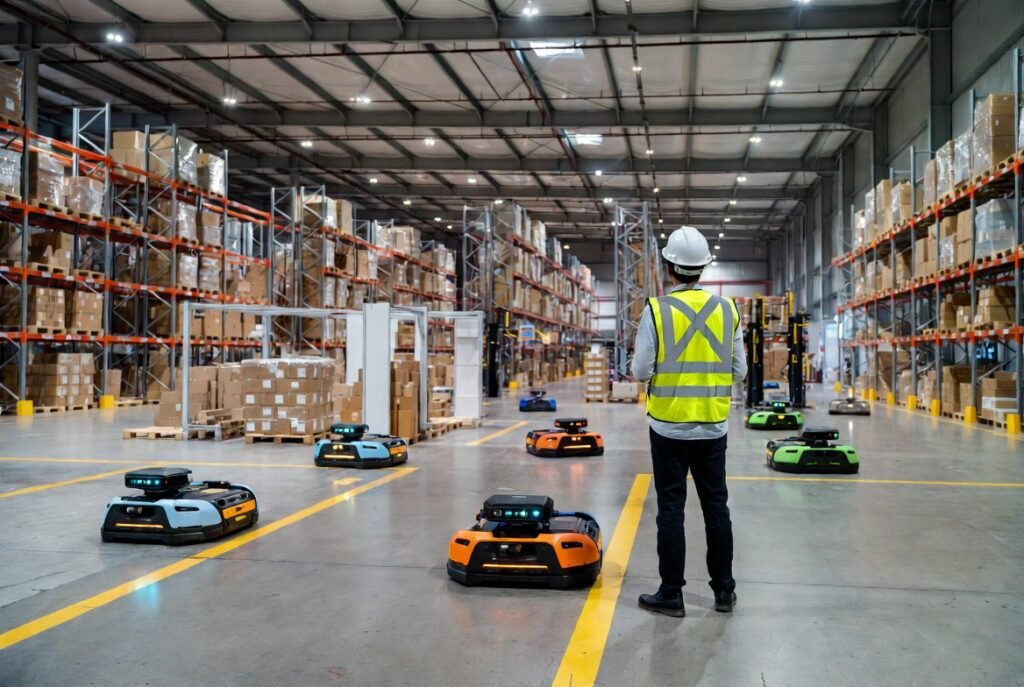
Warehouses rely on robots for sorting and packing. Delivery times shorten. Human effort shifts to planning roles. Errors reduce. Supply chains gain better speed and predictable movement.
Cybersecurity Automation
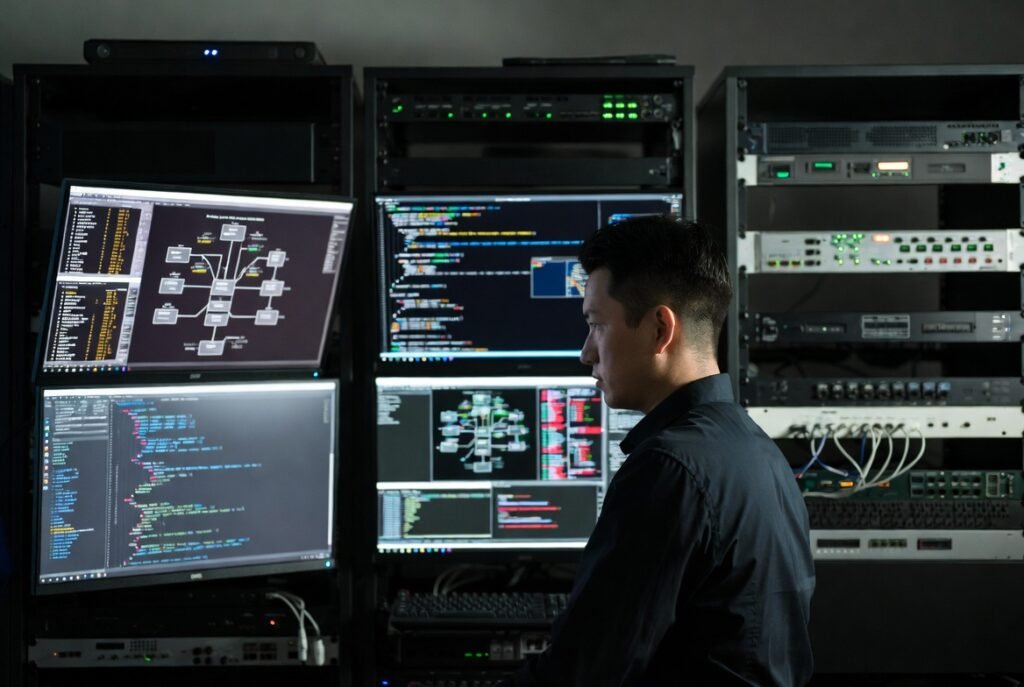
Security tools scan systems without rest. They detect threats early. Data protection improves. Automated monitoring is relied upon by organisations to protect networks and user data during work hours.
Augmented Reality Displays
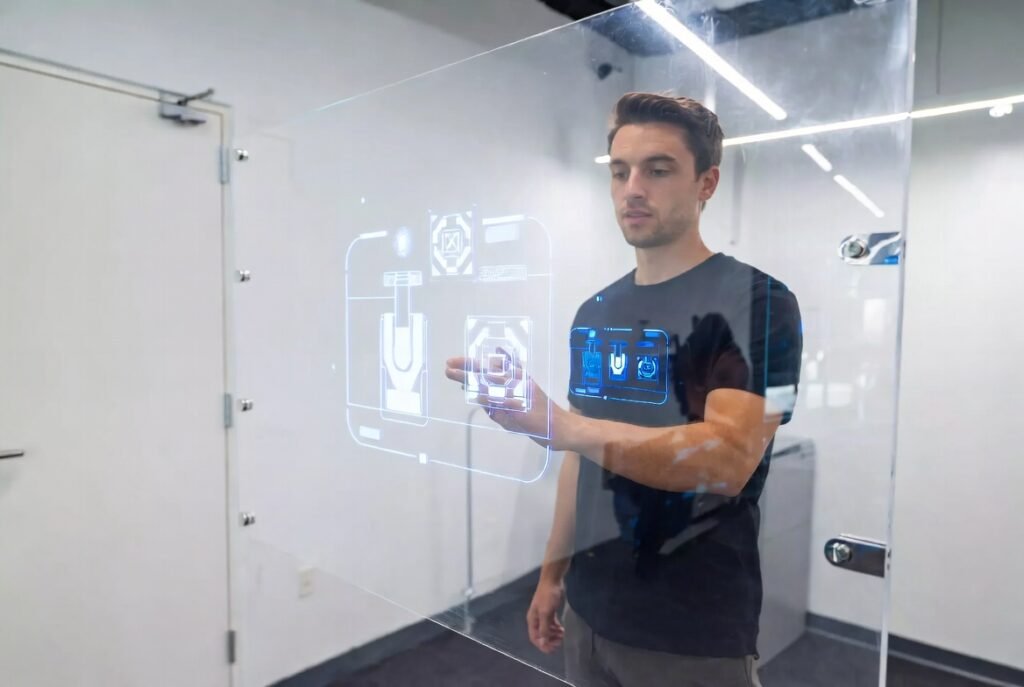
Retail and training sectors use digital overlays. Users preview products or instructions on screens. Learning becomes clearer. Mistakes reduce. Real and digital spaces blend smoothly.
Sustainable Tech Materials
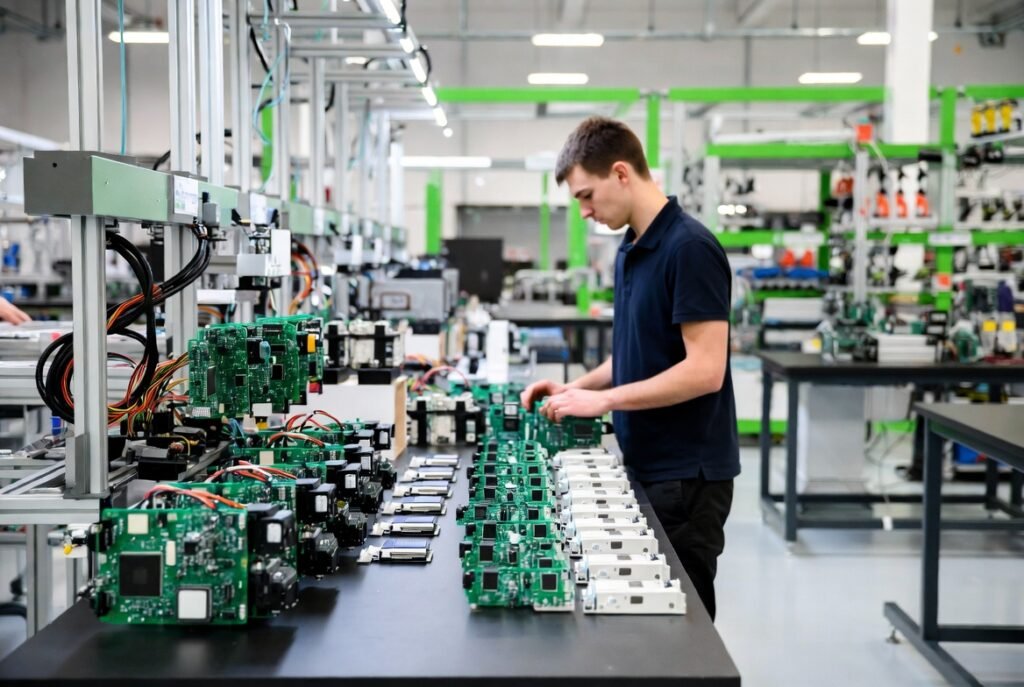
Producers of recyclable parts and energy-friendly designs. Devices consume less power. Production waste drops. Environmental impact reduces. Technology grows more responsible while staying reliable and efficient.
