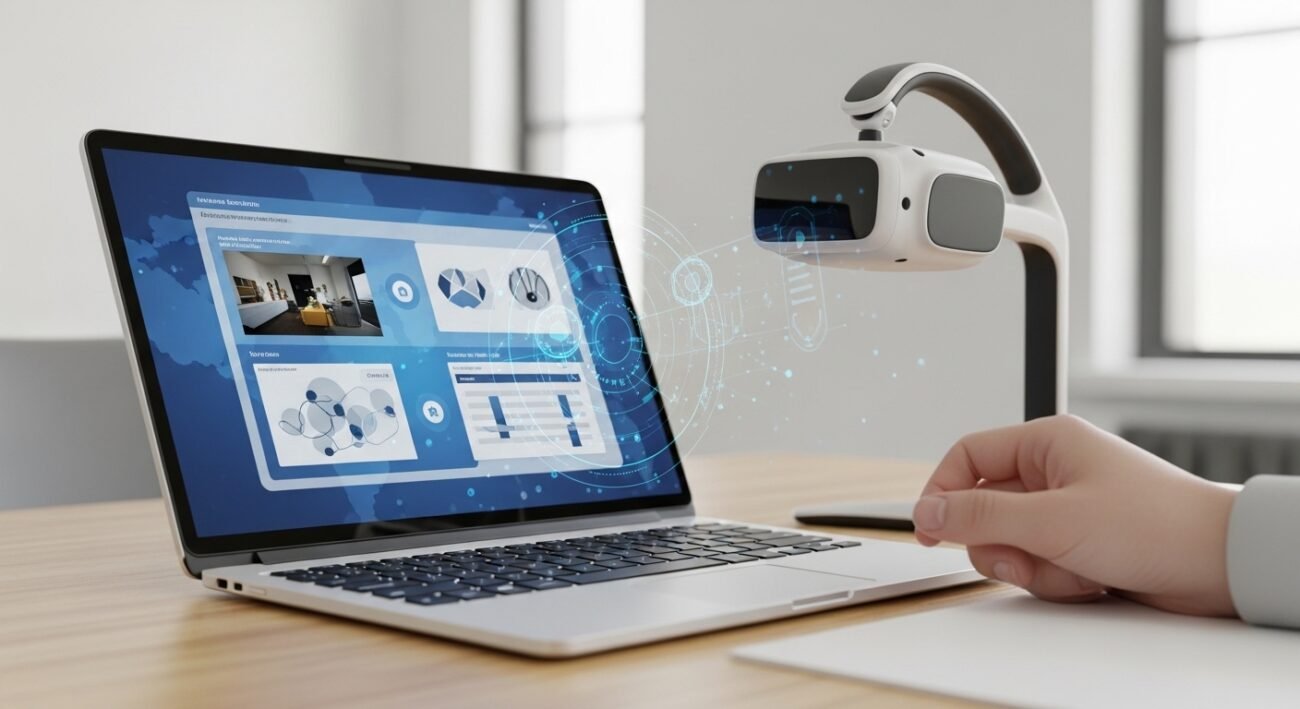
For years, devices have changed office routines, classroom lessons, and quiet moments at home – still, their drawbacks are starting to show as our online existence feels deeper than before. Not far beneath the surface, augmented reality gives users a different path by dropping details into real spaces, bypassing screens that just sit there. With better tools coming into view, future devices might slowly fade into backgrounds, making screens less central without losing useful connections. These shifts hint at smoother digital experiences woven into everyday life, where interaction feels less forced, more fitting.
Smart AR Glasses

A person sees virtual messages or maps directly in front of them through simple AR glasses. These devices superimpose data so hands stay free and eyes keep contact with actual objects around. Slowly, sharper images, longer power output, and smarter build might replace screens on phones and laptops for routine work.
AR Contact Lens Prototypes

Right now, people work on AR contact lenses that show tiny images on your eyes. These gadgets try to place digital layers so close to sight, they seem part of real life. Even though they’re not ready yet, some picture a time when virtual stuff appears just by looking – like seeing through closed eyelids. No need to hold screens or strap on bulky gear.
Spatial Computing Headsets

Ahead of their time, next-generation headsets mix real space with virtual items that shift and react based on motion and distance. Imagine a whole room transforming into a dynamic workspace – no need for separate monitors when one shifting interface does it all.
Projection-Based AR Wearables

A few AR tools rely on small projectors, sending live-based images toward walls, desks, or fingertips. Ordinary spaces shift into active interfaces without built-in screens taking up room.
AR Work Visors
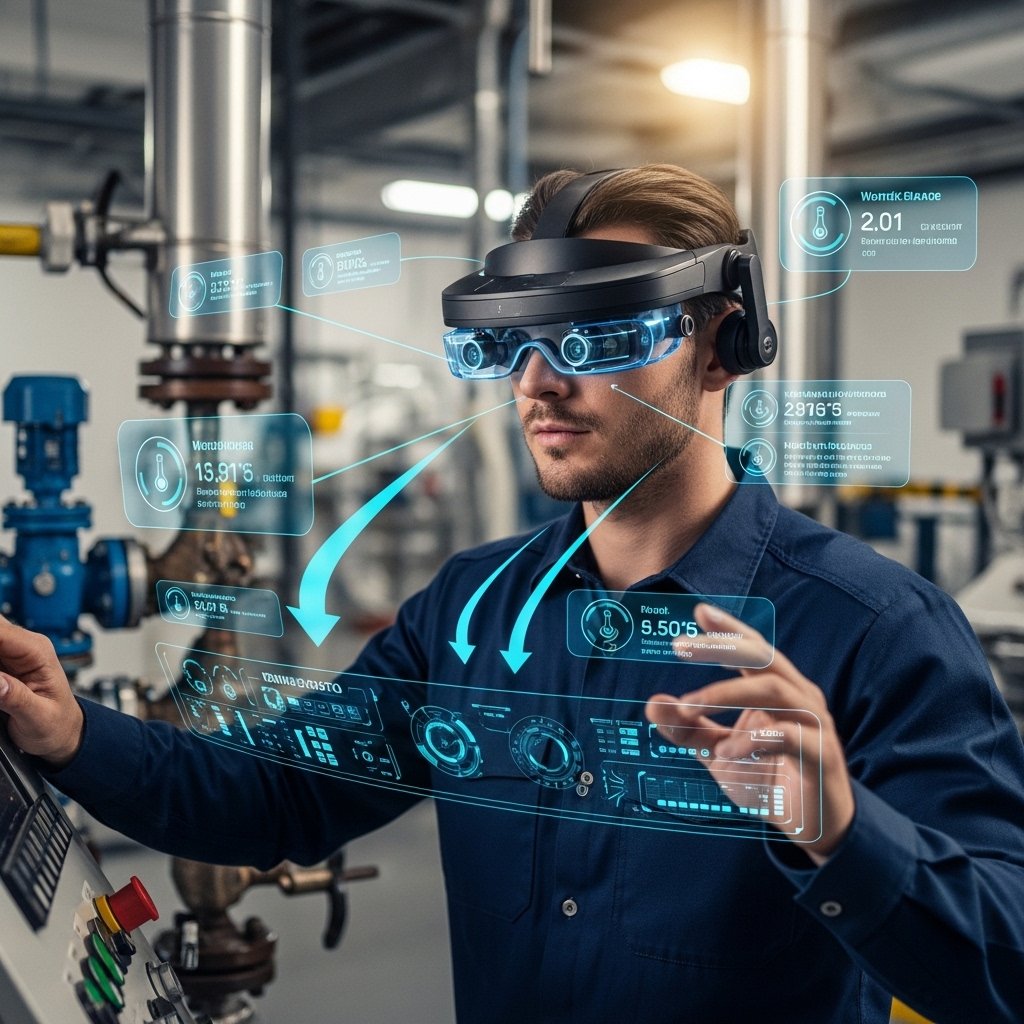
A fresh wave of headsets built for work settings aims to handle complex tasks by overlaying key details. Since everything ties back to real-time motion, users stay grounded without constantly pausing to change views. This steady flow of info sharpens concentration when actual progress matters most.
Voice guided AR helpers devices
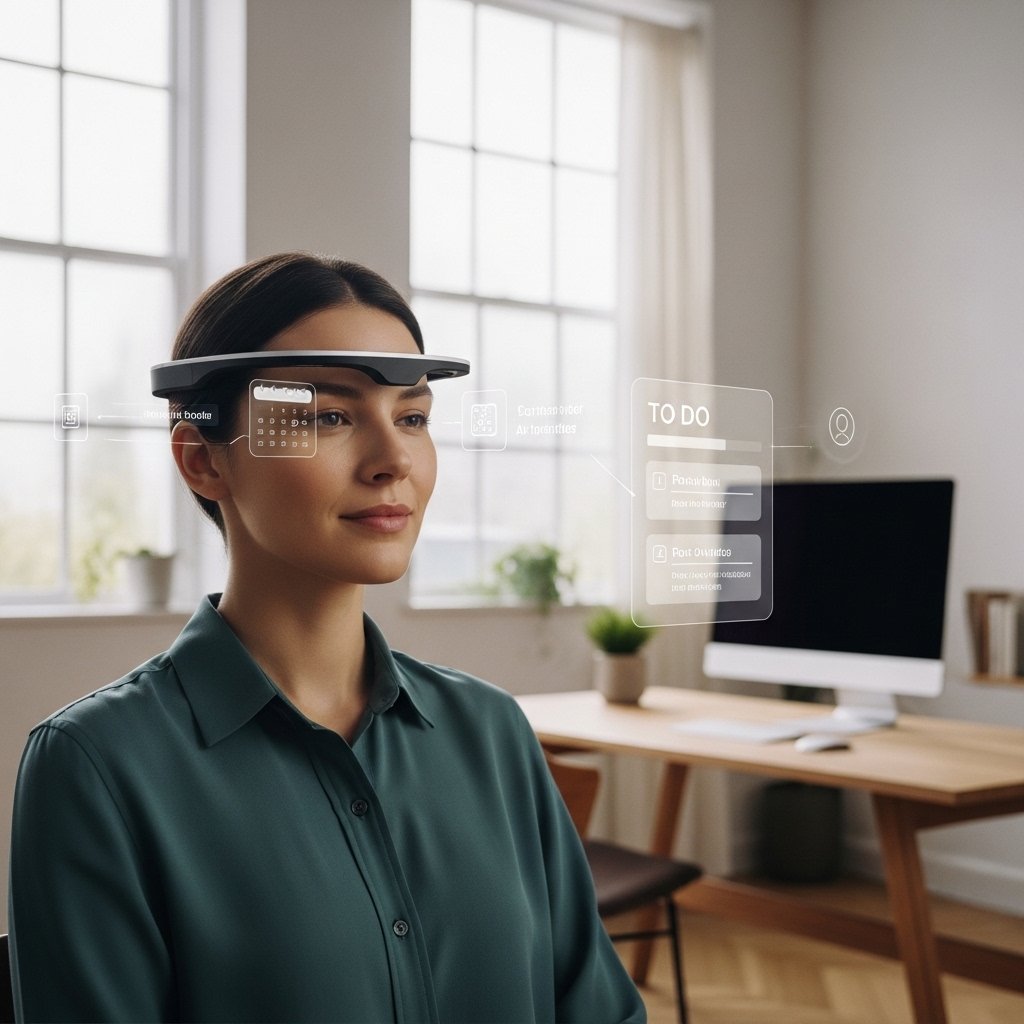
Voice-guided AR cuts down on screen tapping and eye tracking. Ask a question. Answers show up. Look away. They vanish. Devices fade into background. Attention shifts elsewhere.
AR Navigation Wearables

Directions appear on streets and inside buildings when people wear AR guides. Staring at phones becomes less common, which helps users move around with greater ease and awareness.
Context-Aware AR Pins

From time to time, small AR markers pop up on clothes, sharing details about where you are or what you’re doing. Instead of holding your gaze, they stay just visible enough to give useful info on demand.
Shared AR Environment Devices

One device lets several people see the same virtual objects together in real life. Imagine working alongside others, eyes on one shared world, not stuck with your own view. Such setups suggest how teamwork might unfold later – not across separate gadgets, but right beside each other, shaped by joint experience.
