
Technology is quietly revolutionising how people work, learn and develop their careers. Artificial intelligence now provides daily assistance in offices, factories, studios and service centres. Rather than displacing human workers, it is opening up new avenues of work blending technical skill with human judgment. Now, many professionals are transitioning to jobs such as directing, vetting and overseeing the work of intelligent systems. These are jobs that value communication, planning, ethics and problem-solving. Businesses are looking for workers who can make technology connections to genuine business needs. This change provides new opportunities and mobility for individuals who seek stable, meaningful careers. The modern workforce is adapting with steady confidence and thoughtful learning.
AI Operations Coordinator

AI operations coordinators oversee automated systems used in daily business tasks. They check data flow, confirm system performance, and report issues. Their role keeps digital tools running smoothly while supporting teams that depend on consistent and reliable system behaviour.
Data Quality Analyst

Data quality analysts review information used by intelligent platforms. They clean errors, verify patterns, and protect accuracy. Their work ensures that automated decisions rely on dependable inputs and that business reports reflect real activity and dependable performance outcomes.
Digital Ethics Advisor

Digital ethics advisors guide companies on responsible system use. They review policies, protect privacy standards, and suggest safe operating practices. Their presence builds public trust and ensures that automated tools follow accepted legal and social expectations.
Prompt Design Specialist

Prompt design specialists shape how intelligent tools receive instructions. They tweak the language, try out responses and find ways to be clearer. Their job is to increase precision, to reduce time spent and to help teams derive real results from automated platforms.
AI Training Consultant
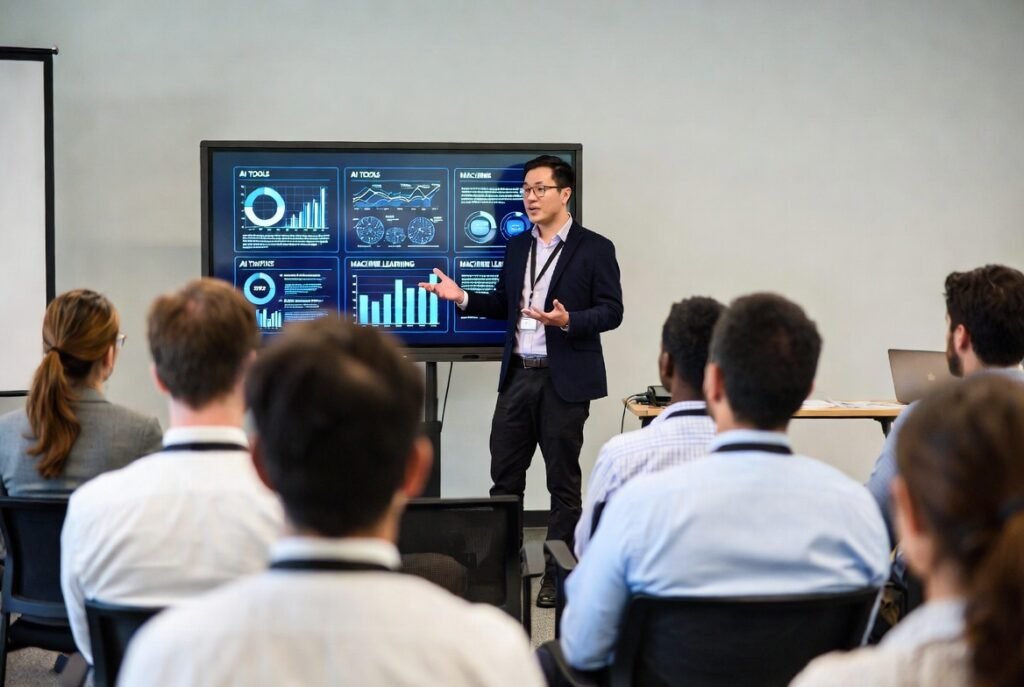
AI training consultants teach teams how to use intelligent systems. They prepare workshops, build training material, and offer step-by-step guidance. Their work helps staff adopt new tools without confusion or workflow disruption.
Workflow Automation Planner
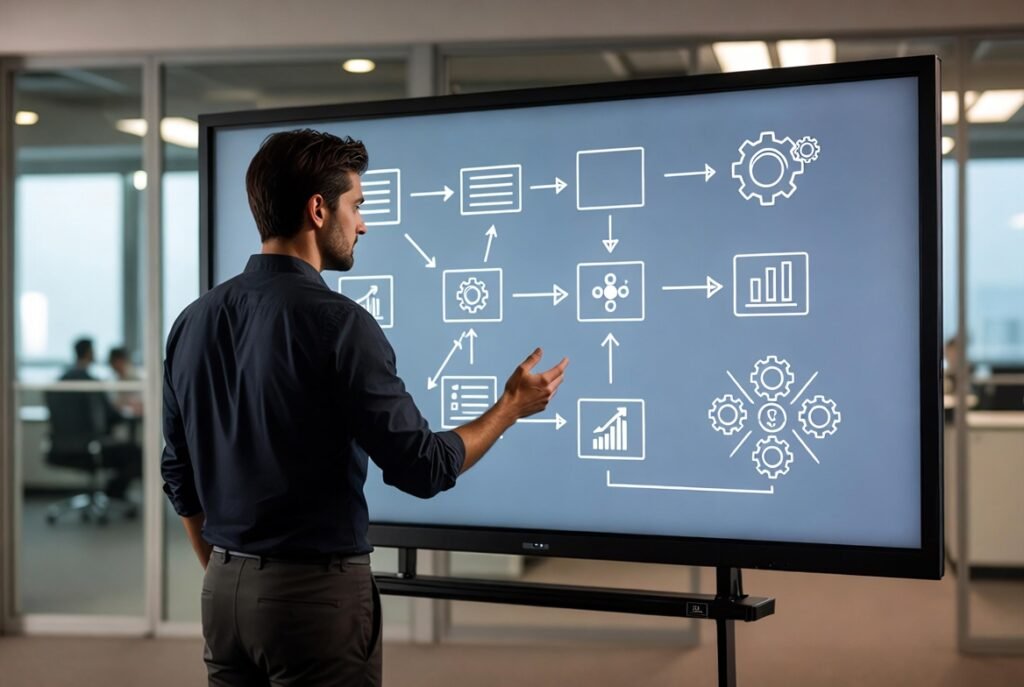
Workflow automation planners study business routines and suggest digital improvements. They design simple automation steps that reduce delays and improve service quality. Their planning supports stable operations and steady productivity growth.
System Integration Manager

System integration managers connect intelligent platforms with existing software. They manage compatibility checks, oversee testing, and guide smooth deployment. Their work prevents technical conflicts and supports long-term digital reliability.
Virtual Service Supervisor

Virtual service supervisors manage automated customer systems. They review conversation logs, track response quality, and refine service scripts. Their role maintains polite communication standards and consistent customer support experiences.
Model Performance Reviewer

Model performance reviewers measure system accuracy and stability. They prepare reports, identify trends, and suggest updates. Their careful review protects service quality and keeps systems aligned with business expectations.
Digital Compliance Officer

Digital compliance officers ensure that automated platforms follow legal standards. They maintain records, review security policies, and coordinate audits. They are an important part of protecting data and enabling responsible digital behaviour.
Career Transition Mentor

Mentors help professionals in career transitions to digital roles. They assess skills, suggest learning paths, and offer practical career planning. Their support helps workers adapt confidently to changing workplace needs.
