
Modern classrooms are no longer quiet spaces of uninterrupted learning. With smartphones always within reach, students face constant digital distractions that break their focus repeatedly throughout the day. Research suggests interruptions can happen dozens of times during a single school day, making it harder to absorb information deeply. These disruptions don’t just affect individual students they reshape the entire classroom environment. Teachers struggle to maintain attention, while students find it difficult to stay engaged with lessons. Over time, these frequent interruptions can influence memory, participation, and overall academic performance, creating long-term challenges in the way students learn and interact.
Attention Span Shrinks
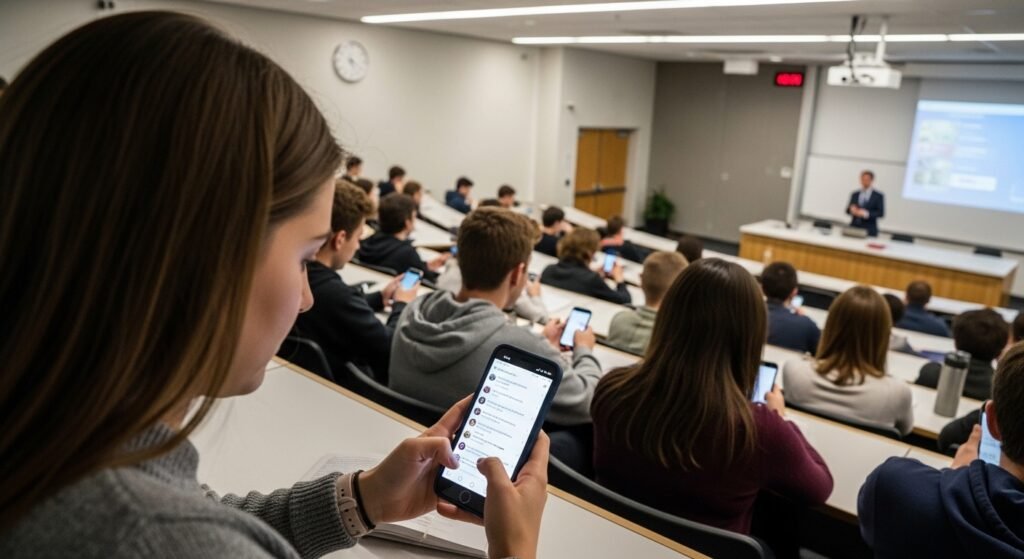
Frequent phone interruptions train the brain to expect constant stimulation. Students begin to lose the ability to concentrate for extended periods, making it difficult to follow lessons or complete tasks without distraction.
Learning Becomes Fragmented

When attention breaks repeatedly, information is absorbed in pieces. Students may hear parts of a lesson but miss key explanations, leading to gaps in understanding that build up over time.
Memory Retention Declines

Continuous interruptions prevent information from moving into long-term memory. Students might remember content briefly but struggle to recall it later during exams or discussions.
Reduced Classroom Participation

Students distracted by their phones are less likely to raise questions or contribute to discussions. This reduces interaction and weakens the collaborative learning environment teachers aim to build.
Teacher-Student Disconnect Grows

When students are frequently distracted, teachers may feel ignored or disconnected. This gap can affect communication, trust, and the overall effectiveness of teaching methods.
Multitasking Lowers Quality of Work

Switching between lessons and phone use gives the illusion of productivity. In reality, multitasking reduces accuracy and depth, leading to more mistakes and lower-quality assignments.
Increased Stress Levels

Constant notifications create a sense of urgency, even during class. Students may feel pressured to check their phones, leading to stress that interferes with calm, focused learning.
Reduced Listening Skills

Frequent digital interruptions weaken active listening. Students may hear instructions but fail to fully process them, resulting in confusion or repeated clarification requests.
Lower Academic Confidence

As understanding decreases due to distractions, students may begin to doubt their abilities. This loss of confidence can impact motivation and willingness to engage with challenging topics.
Time Management Challenges

Students who rely heavily on their phones during class may struggle to manage time effectively. Tasks take longer to complete, and deadlines can become harder to meet.
