
Smart devices deliver convenience, comfort and control to everyday living. Speakers respond to questions, cameras watch doors, and thermostats learn household routines. Yet many of these tools rely on constant data collection. Microphones, sensors, and apps may gather more information than expected. This information can journey beyond the home, housed in remote servers or shared with partners. Privacy risks seldom seem dramatic, but they creep through thoughtless small habits. Awareness is the strongest defence. By understanding how devices observe behaviour and learning simple protection steps, households can enjoy smart technology while keeping personal spaces secure, calm, and under their own control.
Always-On Microphones
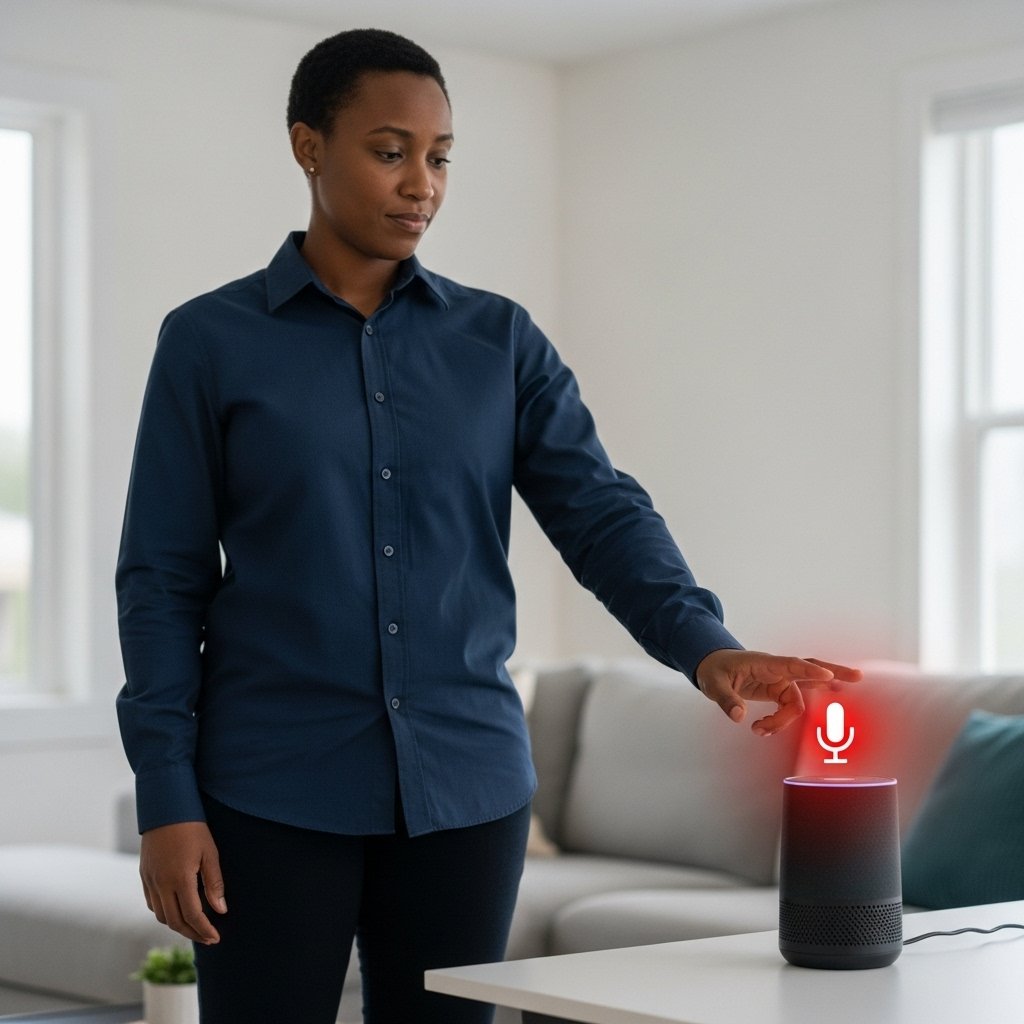
Smart speakers are supposed to listen only when you want them to and contain a buffer that includes only a few seconds of audio. Background conversations can be stored or reviewed for quality checks. Muting microphones when unused reduces passive listening and limits unintentional voice data collection.
Cameras Inside Living Spaces
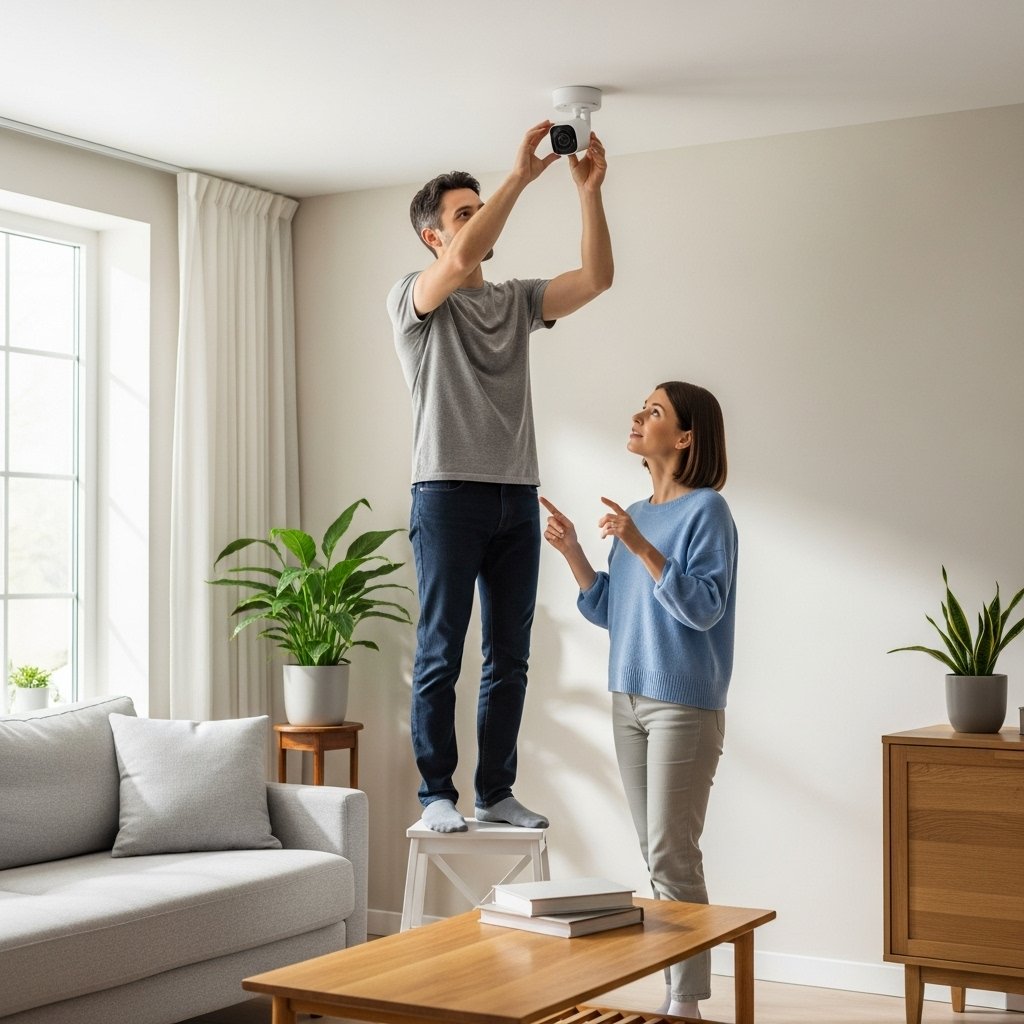
Indoor cameras help with security, but also observe daily routines. Movement patterns, visitors, and habits become visible. Position cameras carefully, disable indoor monitoring when home, and avoid placing them in private areas like bedrooms.
Data Shared With Third Parties
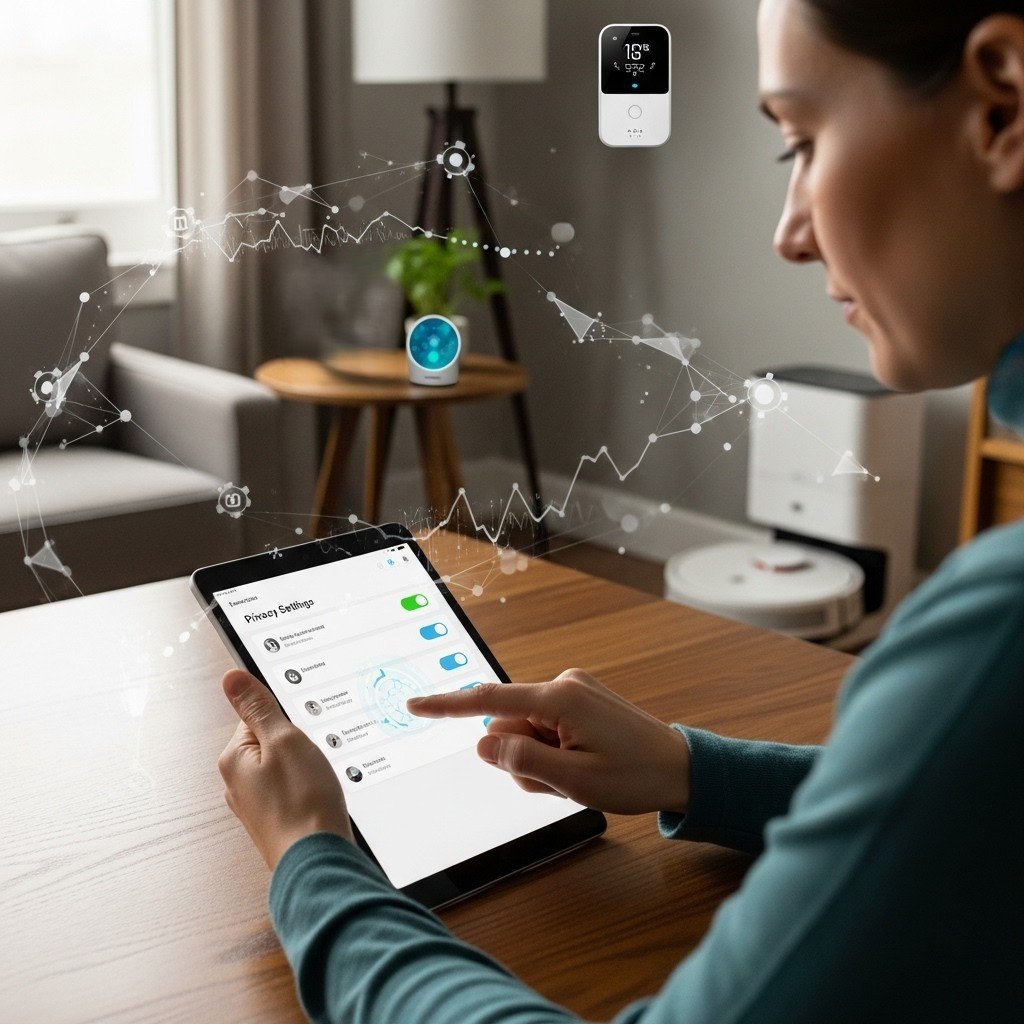
Many smart platforms share data with service partners. Usage patterns help improve features but also expand exposure. Review privacy policies, limit permissions, and opt out of data sharing options whenever settings allow.
Weak Default Passwords
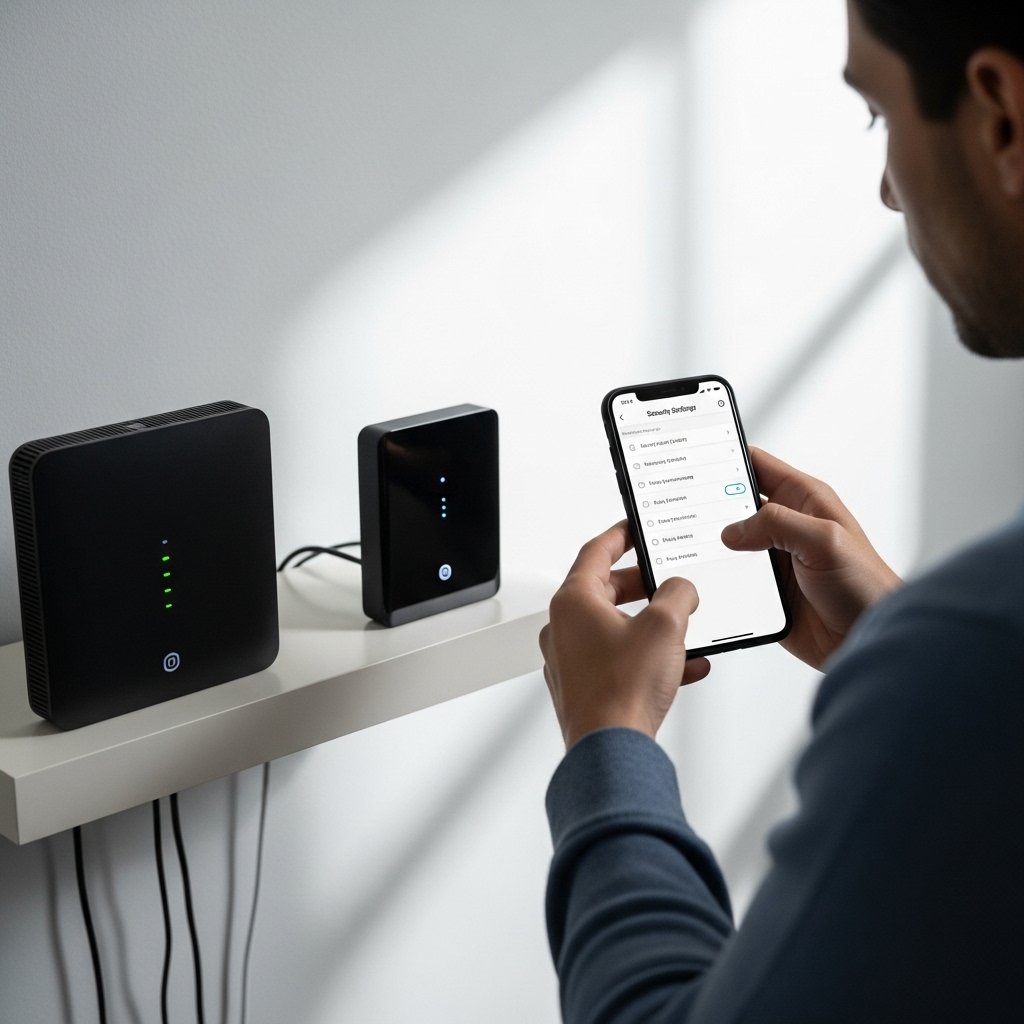
Devices often arrive with simple default passwords. These are easy targets for unauthorised access. Changing passwords immediately and using unique combinations protects cameras, routers, and hubs from external monitoring or quiet control.
Mobile Apps Tracking Usage
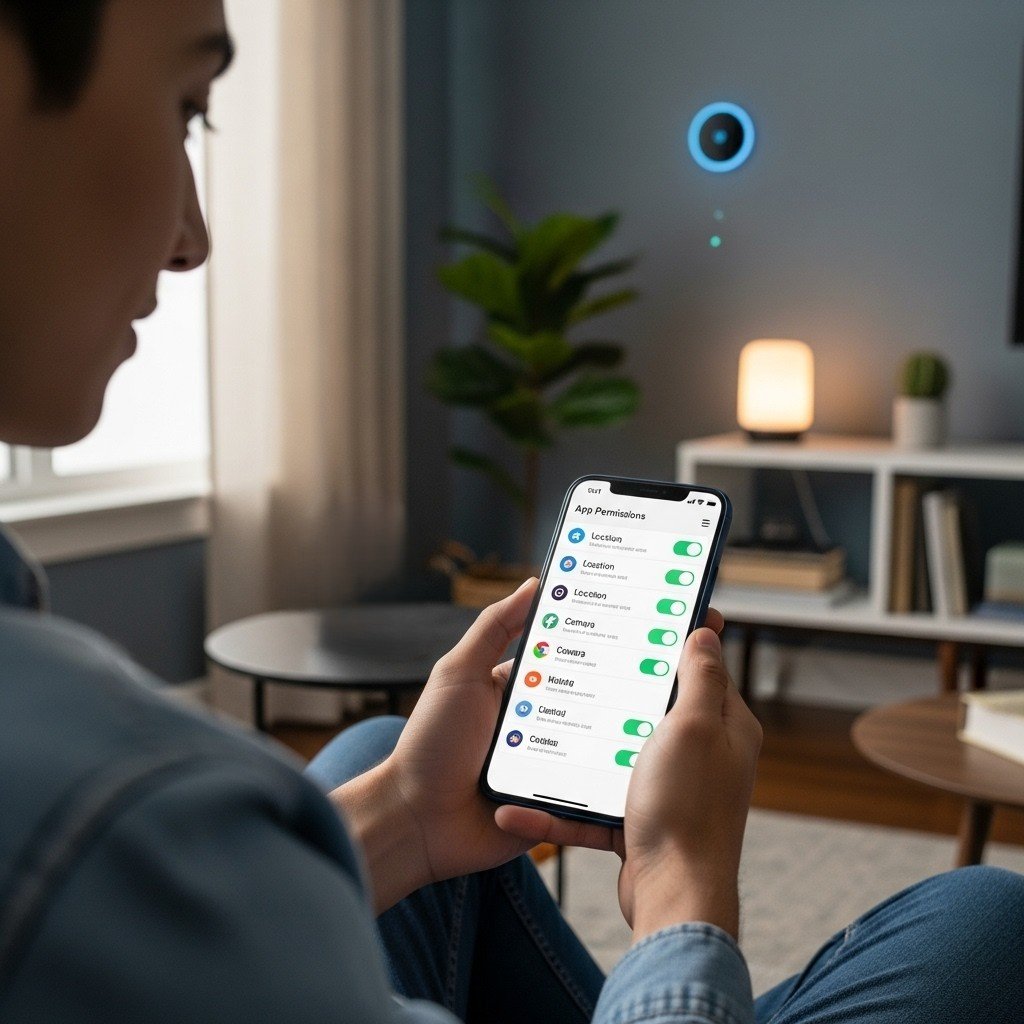
Smart devices rely on companion apps that track behaviour. Location, usage time, and preferences may be logged. Limit app permissions, turn off location access where it’s not needed and regularly check privacy controls.
Cloud Storage Risks
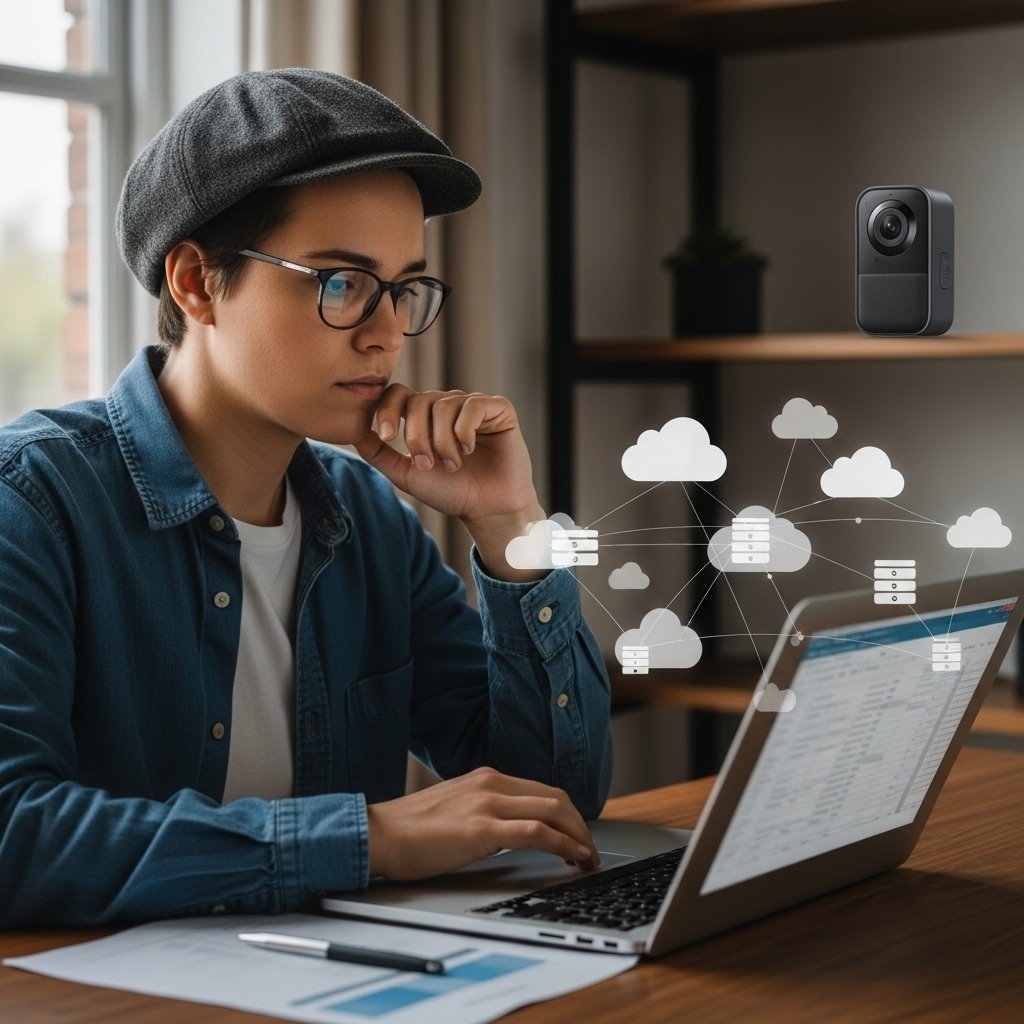
Footage and voice data are often stored online. Cloud breaches can expose personal moments. Option for local storage if you can, and keep retention times low. Scrubbing old recordings that no longer have a function is good practice.
Infrequent Software Updates
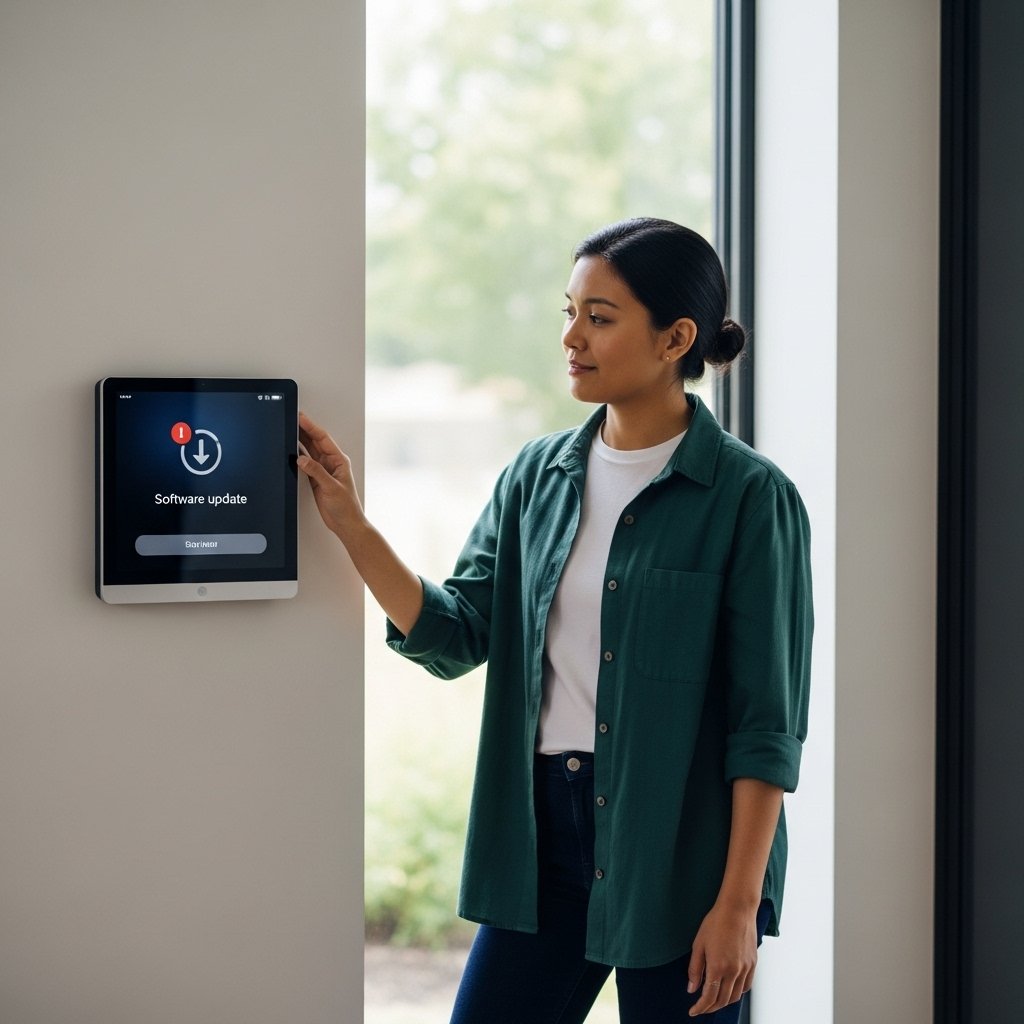
Outdated software creates security gaps. Hackers seek out unpatched devices to compromise. Turn on automatic updates or verify monthly for firmware enhancements to strengthen encryption standards and address known vulnerabilities.
Smart TVs Listening and Viewing
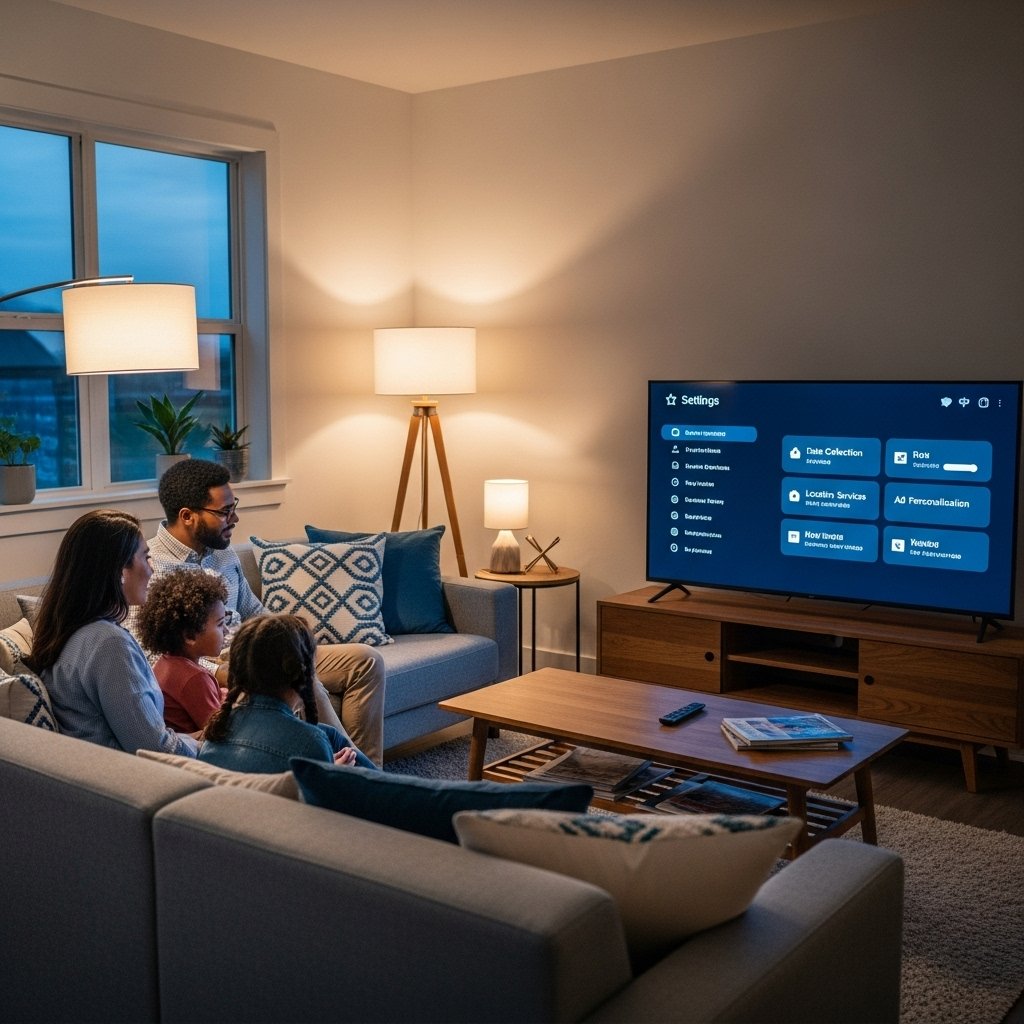
Smart televisions collect viewing habits and sometimes voice commands. This data shapes recommendations but also profiles households. Disable voice features if unused and turn off viewing data collection in television settings.
Poor Network Separation
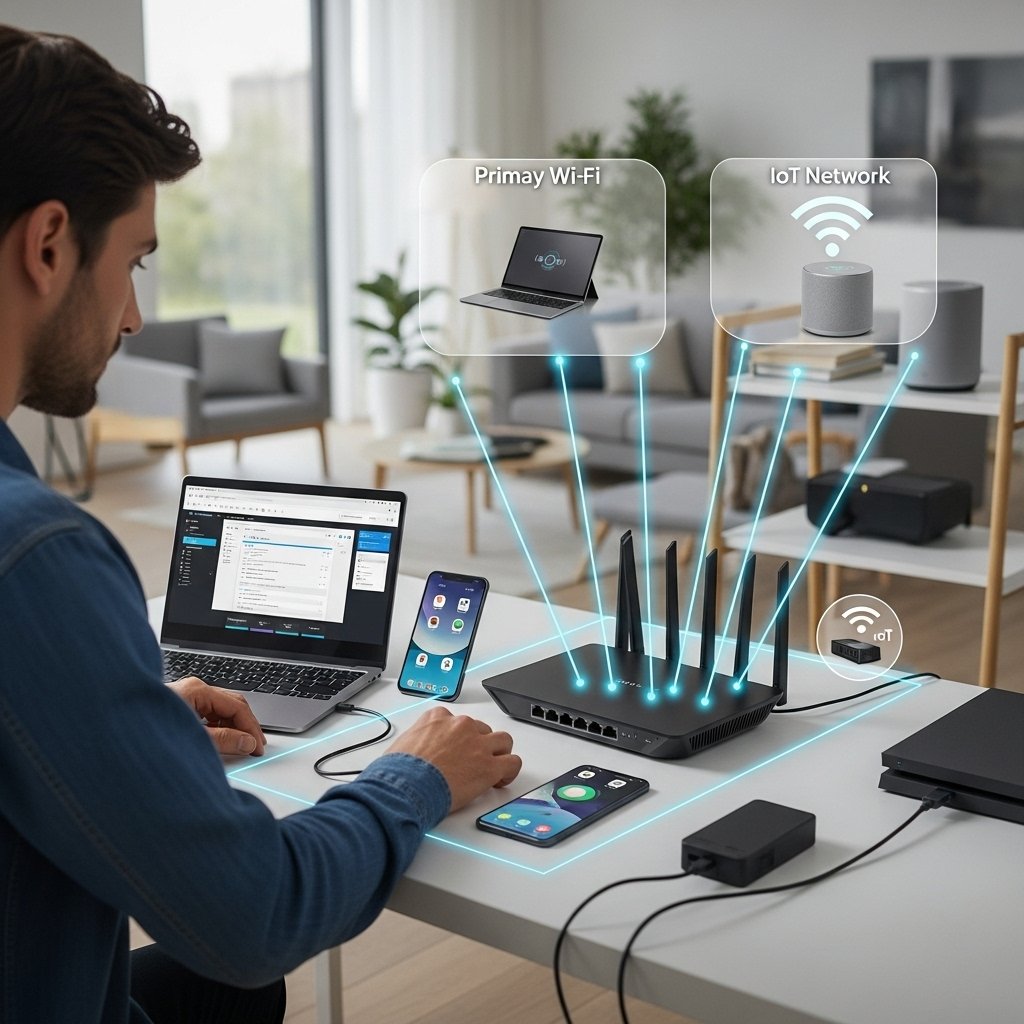
All devices on one network increase risk. If one is compromised, others follow. Create a separate network for smart devices, keeping personal computers and phones isolated from potential intrusion.
Overconnected Devices
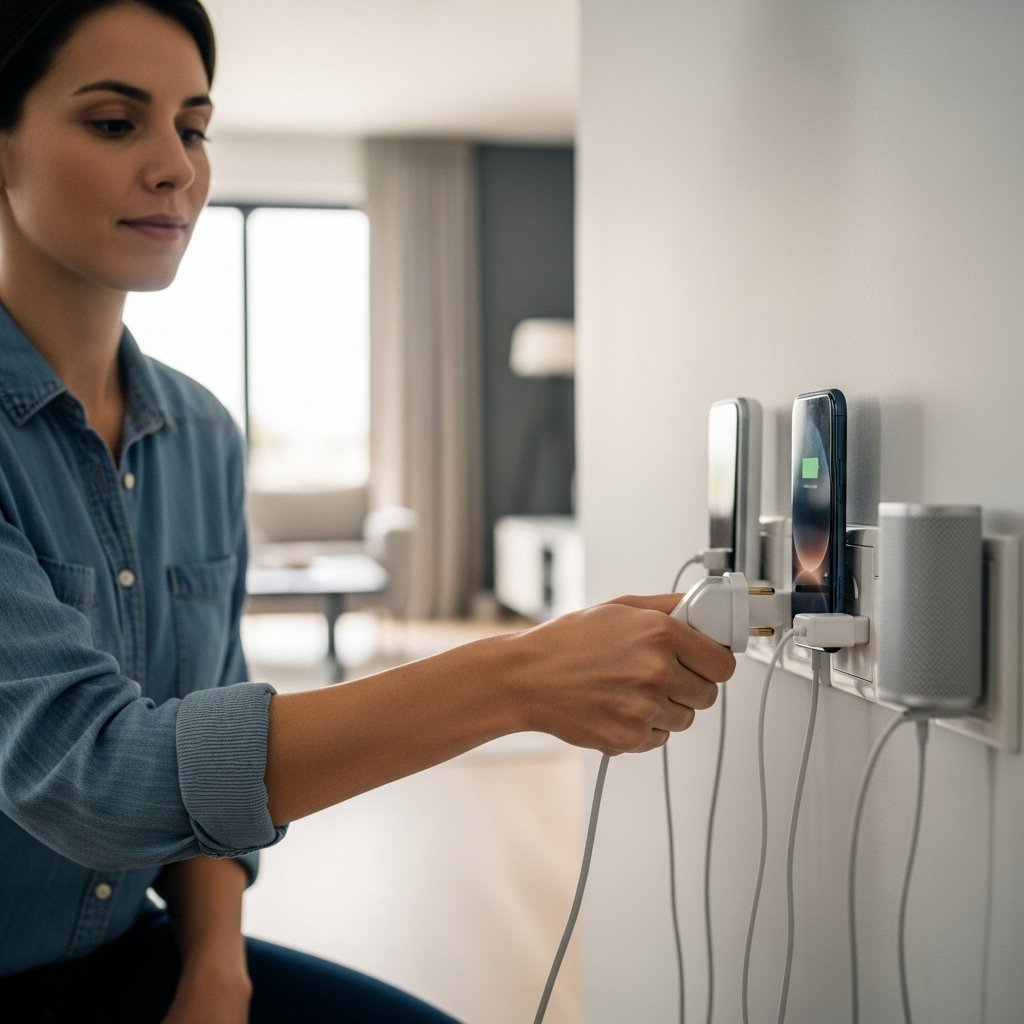
Not every device needs internet access. Smart appliances often function offline. Disconnect unnecessary connectivity to reduce data flow, limit tracking opportunities, and simplify the digital footprint inside the home.
Mindful Setup Practices
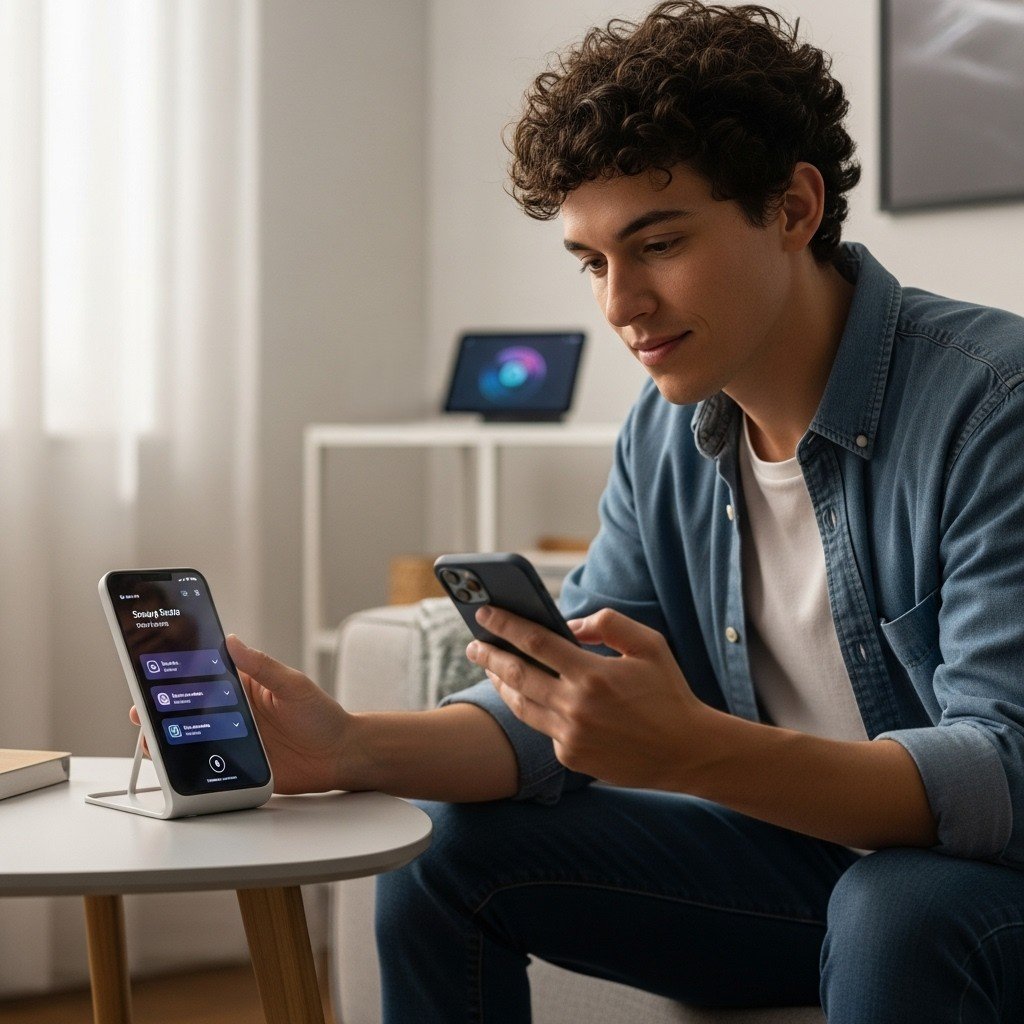
Privacy starts during installation. Read setup screens carefully, avoid rushed approvals, and choose minimal data options. Thoughtful configuration from the beginning prevents long-term exposure and builds a quieter, more respectful smart home environment.
