
Artificial intelligence is transforming work in every industry. Tasks that used to require repetition now call for judgment, flexibility and digital literacy. It’s not like that shift removes the need for people. It redefines what kind of skills matter most. So workers who can understand technology, communicate about it and solve problems with it will always be needed. Upskilling is no longer optional. It is a pragmatic reaction to evolving tools and demands. The systems for training, employers and individuals are all responsible. Solutions must be practical, not visionary. Employees who keep learning can remain relevant, productive and competitive in an AI-powered economy.
Digital Literacy Foundations

Basic digital literacy is essential. Workers must understand common software, data handling, and online collaboration. These skills reduce the fear of new tools. They also enable employees to quickly get up-to-speed when AI systems are introduced into the everyday process.
Human Judgment and Critical Thinking

AI processes information quickly. Humans provide judgment. Critical thinking allows workers to question output, notice errors and make balanced decisions. And this skill is what will make technology serve work goals rather than substitute for informed judgment.
Communication Skills

Clear communication remains vital. Workers explain ideas, share feedback, and guide teams. Empathy and context can’t be replaced by AI. Effective communication ensures trust and the responsible use of technology.
Continuous Learning Mindset

Skills today shift more quickly than job titles. A learning attitude is what allows employees to stay current. Short courses, workshops and self-study are what help keep knowledge fresh. This practice is essential to maintaining career longevity amid constantly evolving circumstances.
Technical Skill Specialisation

Some roles require deeper technical knowledge. Coding basics, data interpretation, or system management add value. That means workers can work with technical teams and know how AI tools are working in their organisation.
Ethical Awareness
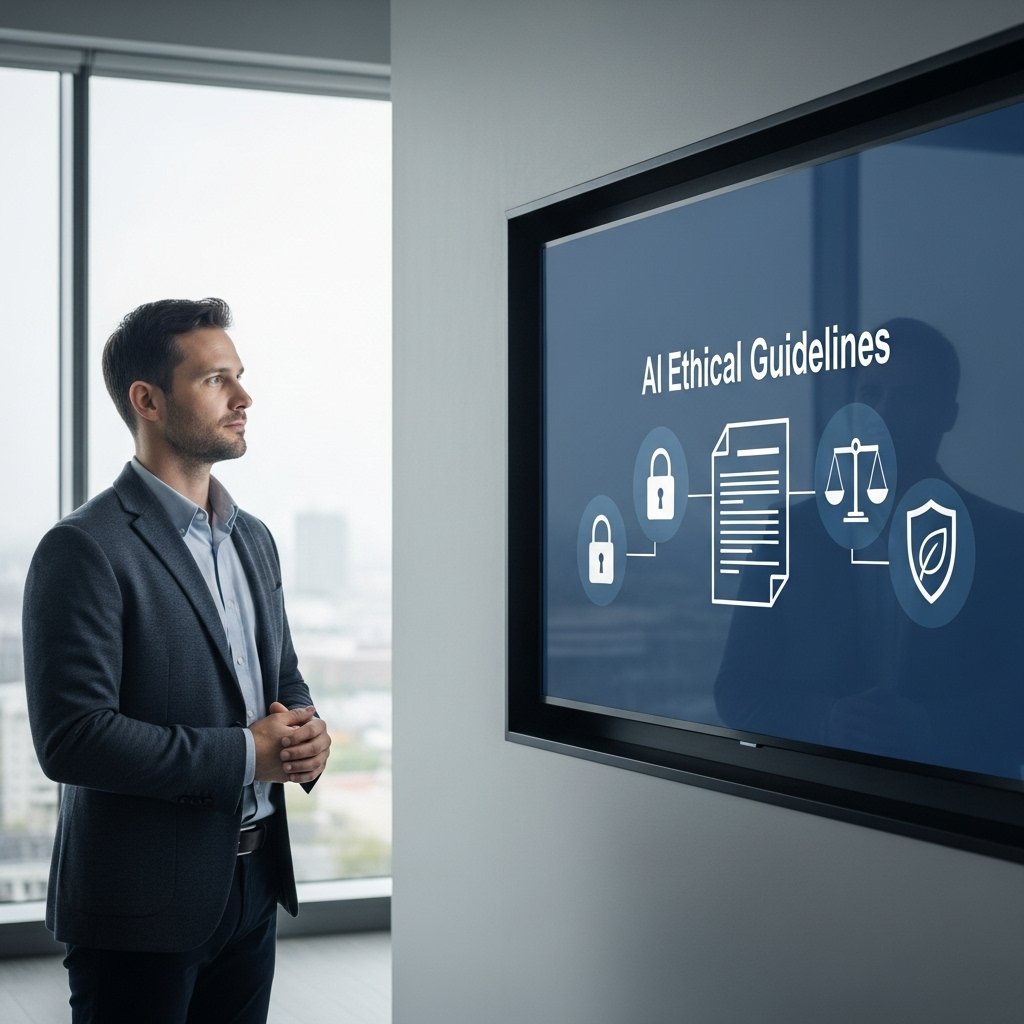
AI raises ethical questions. Workers should have access to fairness, privacy and accountability. Knowing about the ethics of responsible data and systems use. It is also a shield for organisations against bad decisions that tarnish public trust.
Adaptability and Flexibility

Work processes change often. Adaptable workers adjust without disruption. Flexibility supports teamwork during transitions. It also minimises the stress of being surprised by new tools or techniques.
Problem-Solving Skills

AI identifies patterns. Humans solve complex problems. Problem-solving skills help workers apply insights to real situations. This ability ensures that data leads to practical actions, not unused information.
Employer-Led Training Support

Upskilling is a job for employers. Clear training paths and practical resources encourage participation. When learning is supported at work, employees gain confidence, and loyalty increases across teams.
Accessible Education Pathways

Training must be accessible. Affordable programs, flexible schedules, and clear goals matter. When education fits real life, more workers participate. This approach strengthens the workforce and supports economic stability.
