
The way we connect is evolving faster than ever, driven by powerful advances in network technology. From faster speeds to smarter systems, future networks promise to reshape communication in ways that feel seamless, intuitive, and deeply integrated into everyday life. These changes go beyond simple convenience, influencing how people work, learn, travel, and stay in touch with loved ones. As digital infrastructure becomes more intelligent and responsive, the boundaries between physical and virtual interactions continue to blur. Understanding these developments offers a glimpse into a world where connectivity is not just faster, but more meaningful and reliable.
Ultra-Fast Speeds Redefine Communication
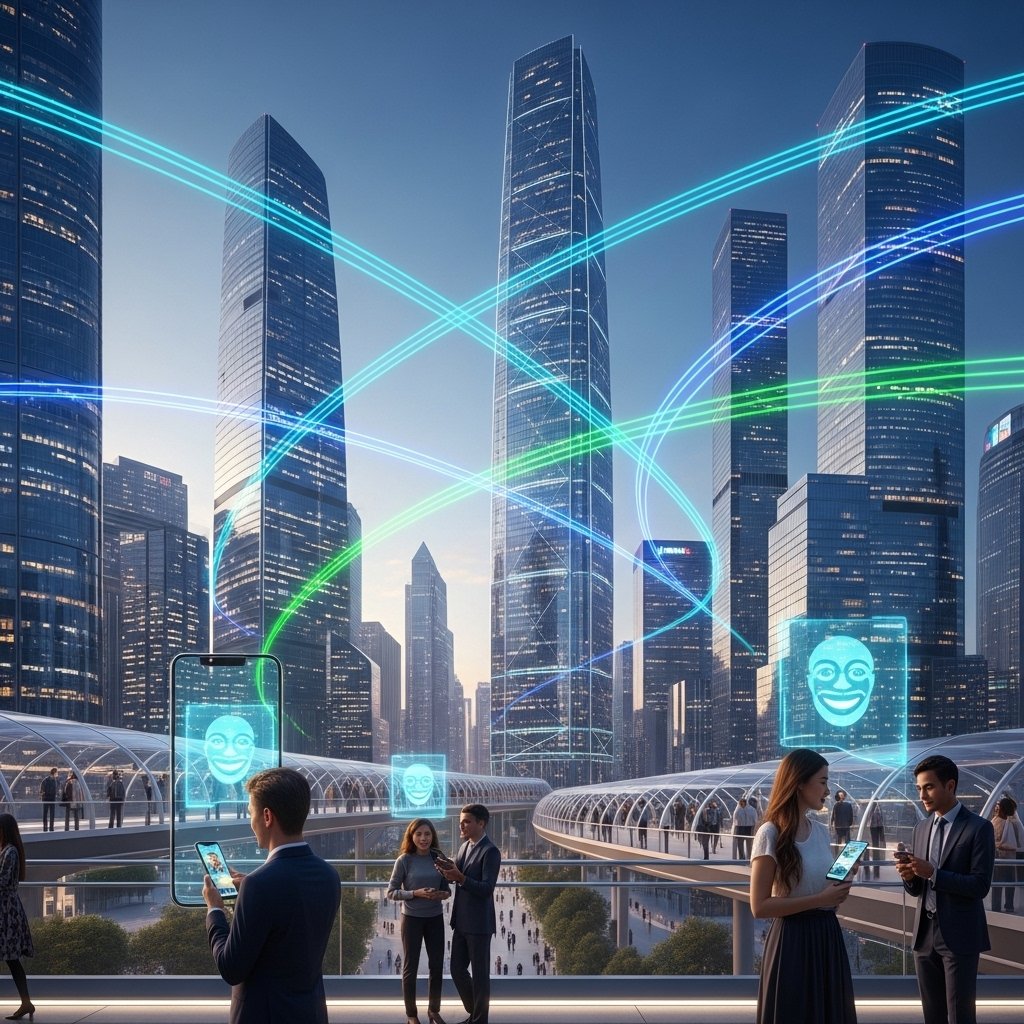
Next-generation networks will deliver near-instant data transfer, making delays almost unnoticeable. Video calls, downloads, and streaming will feel smoother, allowing conversations and digital interactions to happen naturally without frustrating interruptions or lag.
Seamless Connectivity Across Devices
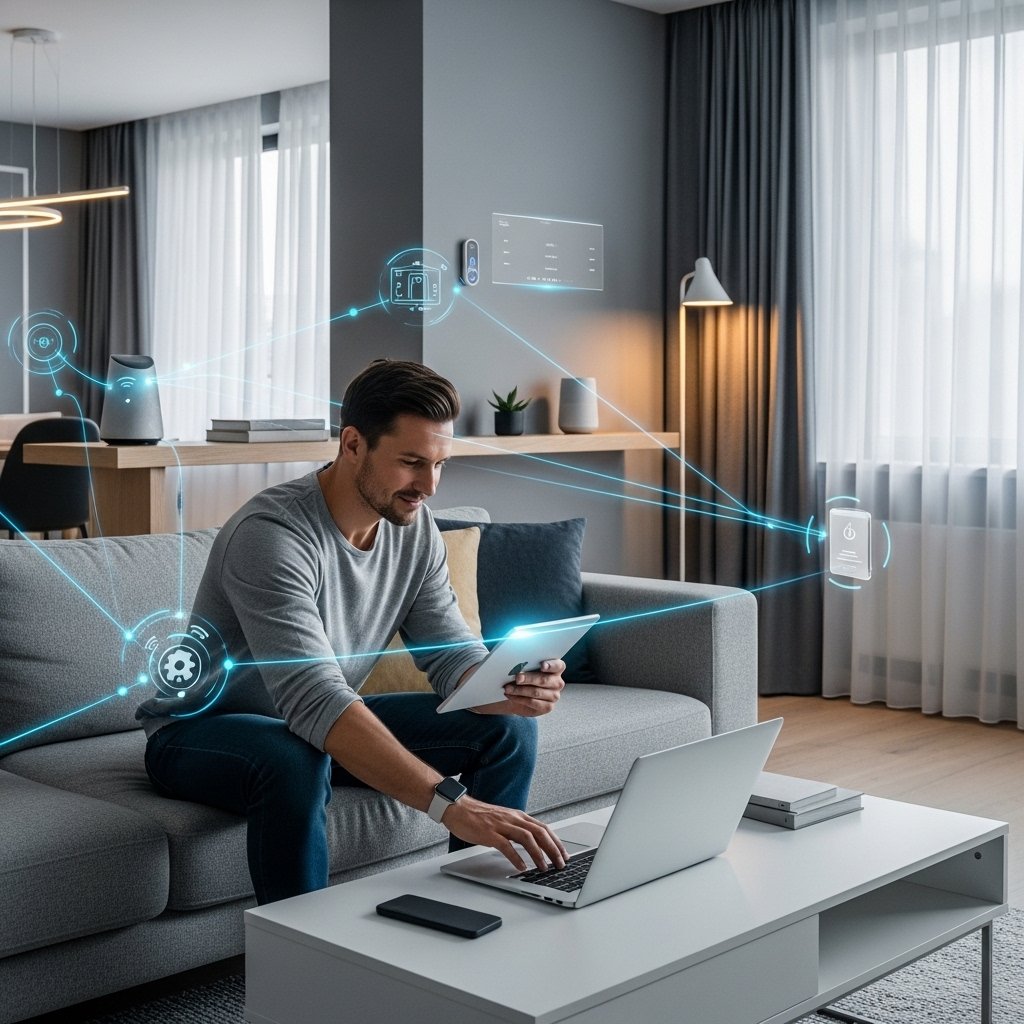
Future networks will connect multiple devices effortlessly. Phones, homes, vehicles, and wearables will work together without manual setup, creating a unified experience where switching between devices becomes smooth and almost invisible to users.
Smarter Networks with Built-In Intelligence

Networks will learn user behavior and adapt automatically. They will prioritize important tasks, reduce congestion, and improve performance without human intervention, making everyday communication faster, more efficient, and tailored to individual needs.
Real-Time Remote Collaboration Improves Work

Workspaces will no longer depend on physical presence. Advanced connectivity will support real-time collaboration with high-quality visuals and audio, allowing teams to interact as if they are in the same room, regardless of location.
Enhanced Reliability in Critical Moments
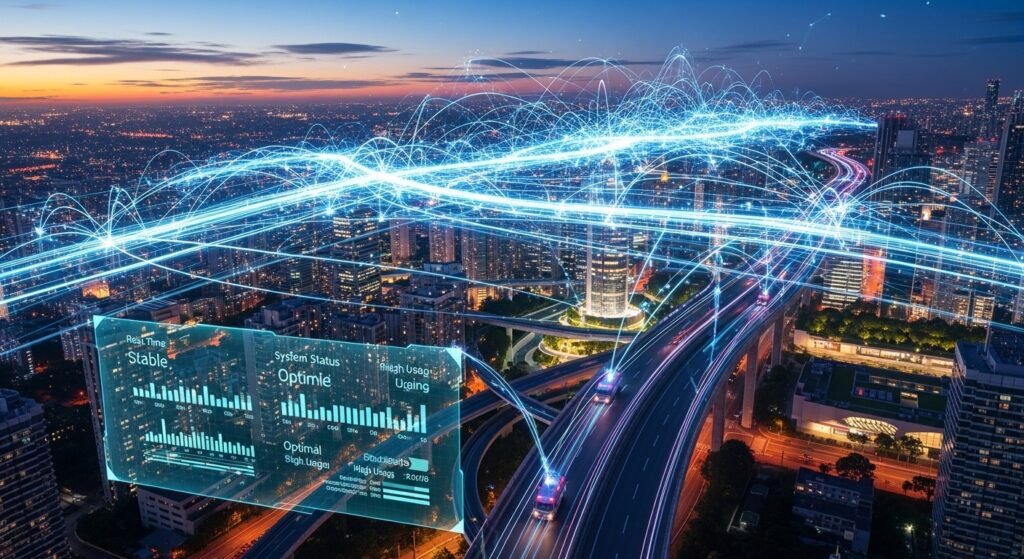
Future networks will be designed to stay stable even during peak usage or emergencies. This reliability ensures uninterrupted communication when it matters most, supporting both personal connections and essential services without disruption.
Expansion of Smart Cities and Infrastructure

Urban environments will become more connected through advanced networks. Traffic systems, public services, and utilities will communicate in real time, improving efficiency and helping people navigate daily life with greater ease and convenience.
Improved Remote Healthcare Access

Faster and more reliable networks will support better remote healthcare services. Patients can connect with professionals through clear, uninterrupted communication, making consultations more effective and accessible from different locations.
Immersive Digital Experiences Become Common
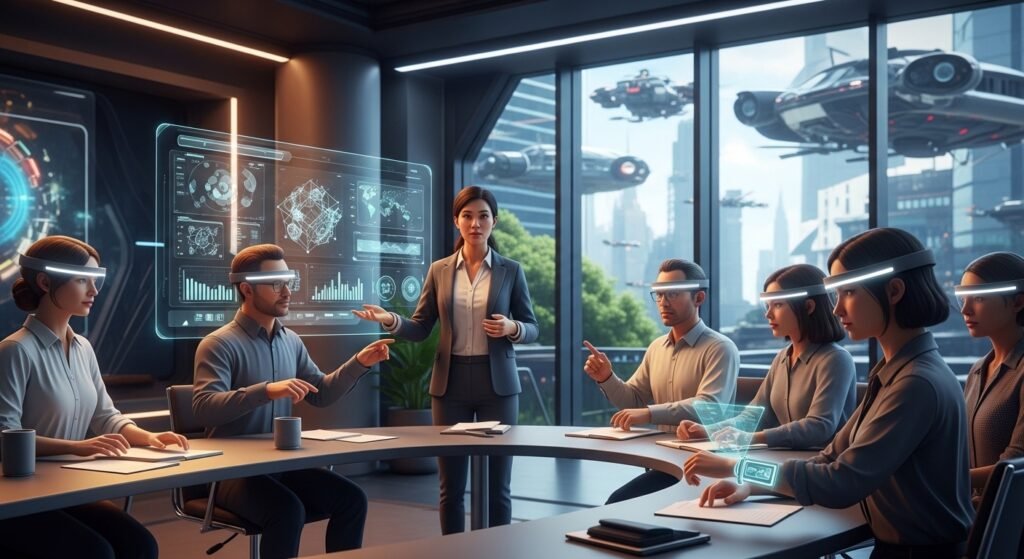
Future connectivity will support rich, immersive experiences. Virtual environments will feel more lifelike, allowing people to engage in activities such as meetings, events, or learning in ways that feel interactive and engaging.
Greater Energy Efficiency in Network Systems

New network designs will focus on reducing energy consumption. Smarter systems will use resources more efficiently, helping lower environmental impact while maintaining high performance and consistent connectivity.
