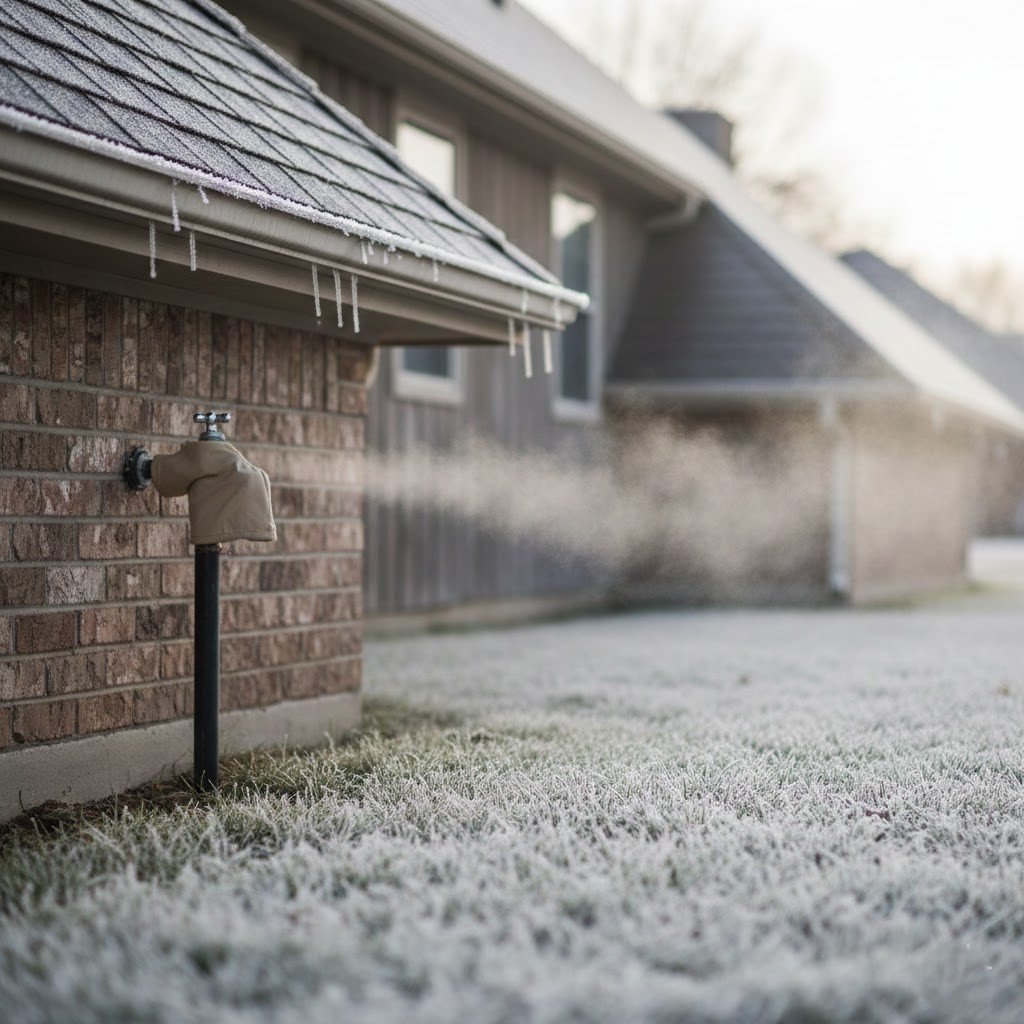
When outside, temperatures can drop to extreme levels and any careless faucet can be seriously damaged. Water that turns into ice in pipes expands and may cause cracks, leakages or expensive repairs. Before the winter season sets in, professional plumbers adhere to a few basic steps in order to conserve the outdoor plumbing systems. Just monitor these steps to get positive results when dealing with the particular scenario.
Turning off the Outdoor Water Supply
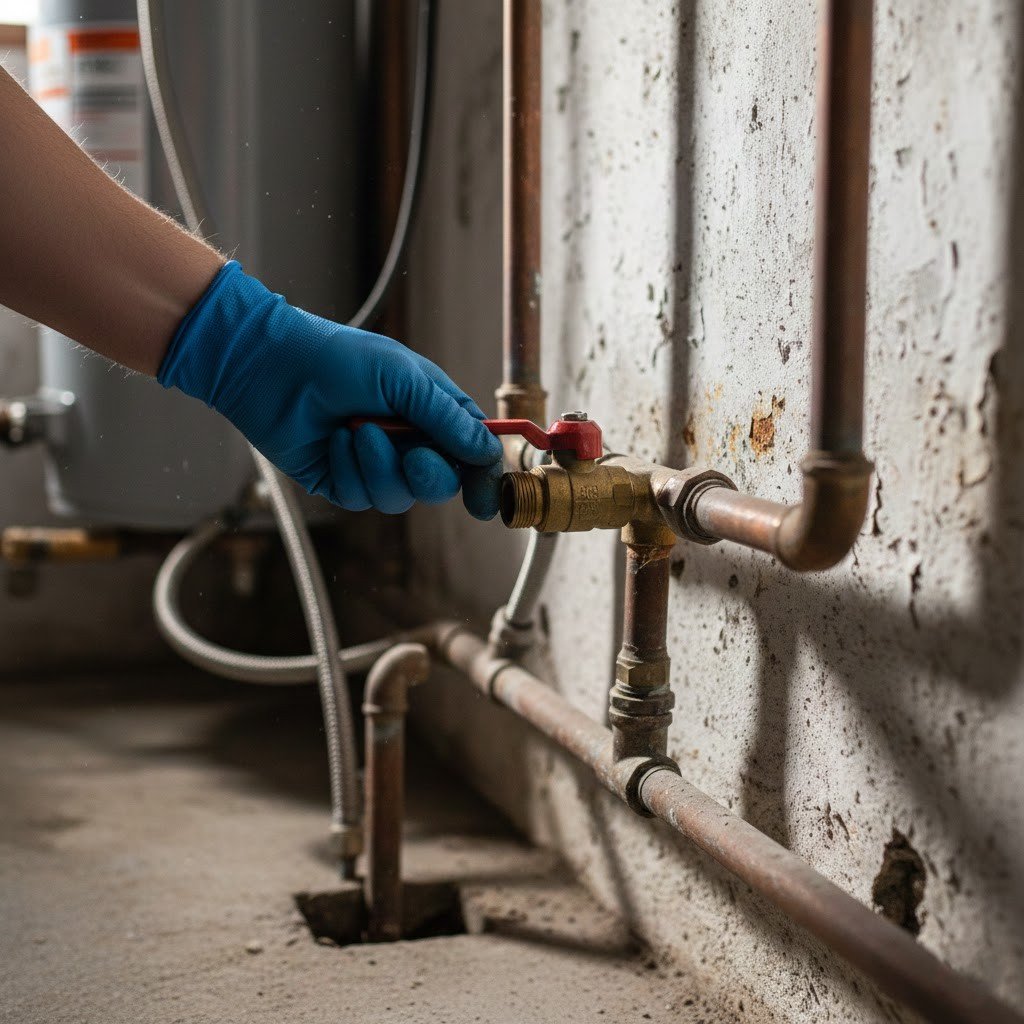
Plumbers will always begin by shutting down the water supply that is related to the outside faucets. This measure will keep the fresh water out of the pipe during freezing. Any leftover water may also freeze and swell in size without being turned off. External faucets are usually provided with a special shut-off valve in the majority of houses.
Disconnecting Garden Hoses
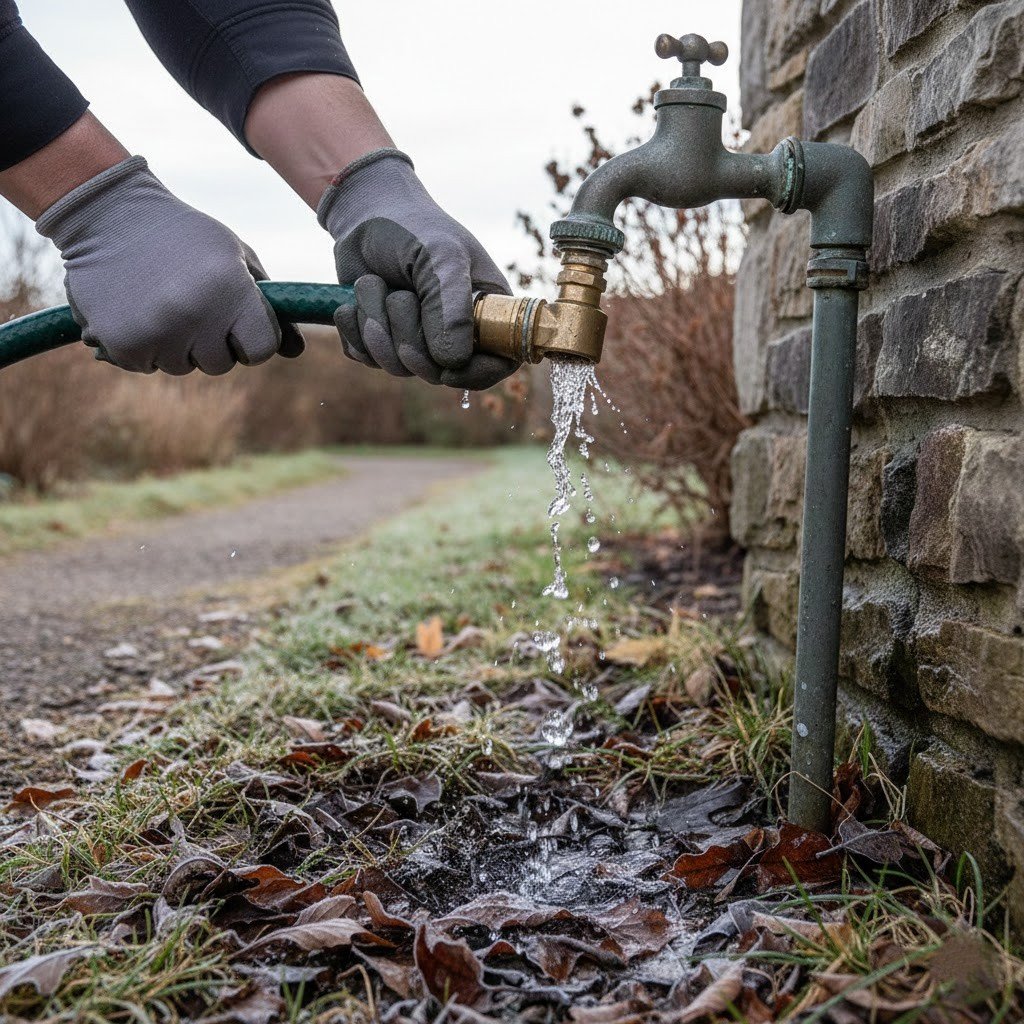
One of the most frequent errors is to leave hoses on in winter. Plumbers will never keep their garden hoses on when it is about to freeze. The hoses attached to the faucet and pipe can hold water and further expose the pipe and faucet to the risk of freezing. Hoses that have been disconnected are to be emptied and placed inside.
Installing Faucet Covers
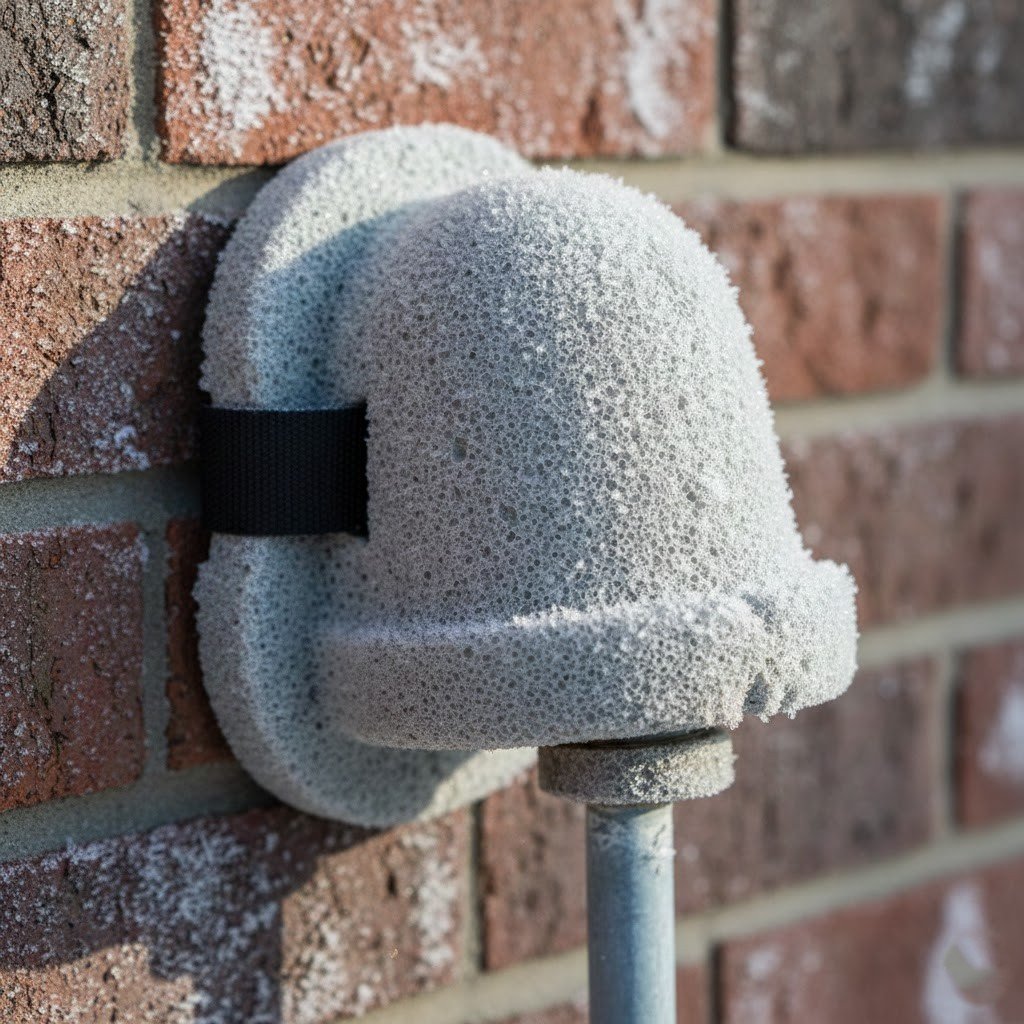
The plumbers usually place insulated faucet covers as an additional protective measure. Such covers can be used to prevent the cold air from coming into contact with the faucet and to reduce the loss of heat. They are economical, simple to install, and they work. Although covers might not stop freezing in free-fall conditions, when used with other measures, they greatly decrease the chances of freezing.
Draining Interior Pipes: A Pipe that is connected to an outdoor faucet
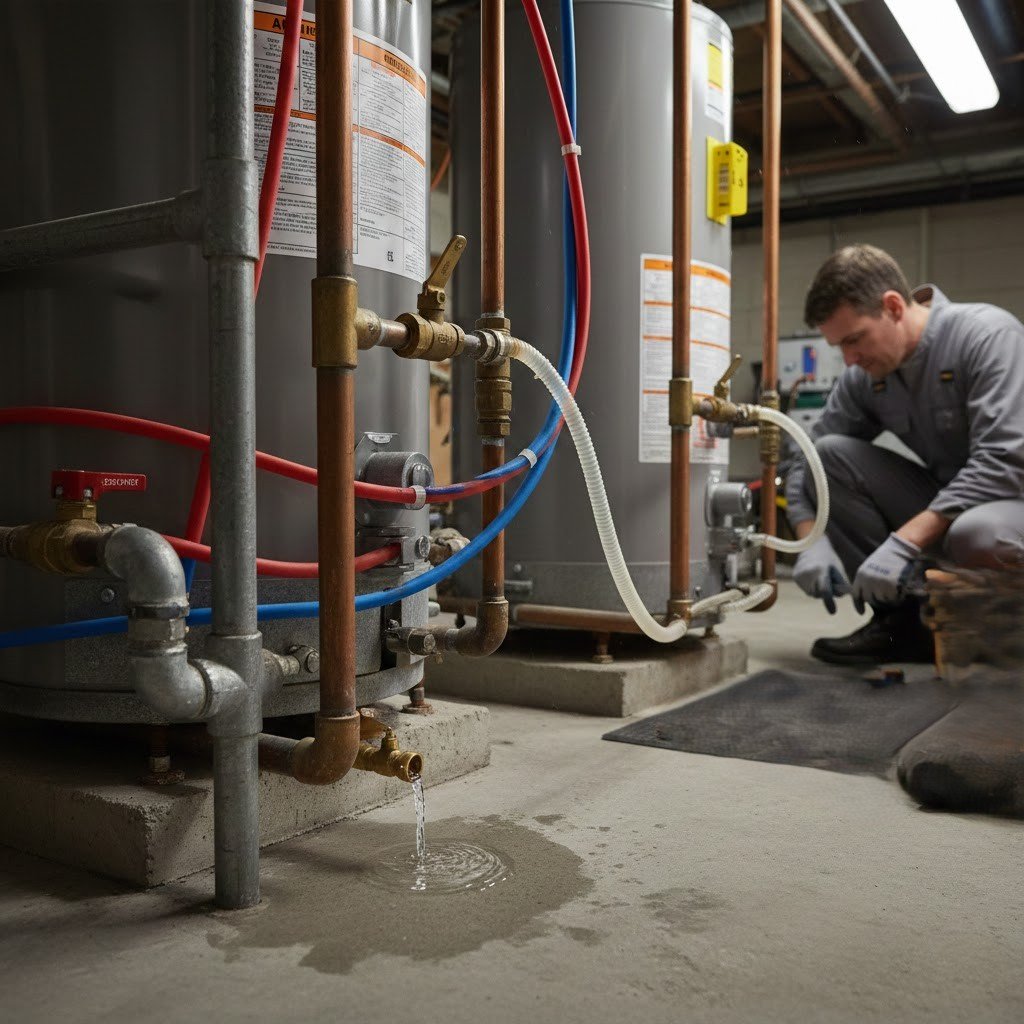
There are a lot of outdoor faucets attached to the pipes within the building. These pipes are drained by the plumbers once the supply has been turned off. This will avoid the retention of water within the line. The process of draining interior pipes relieves pressure and minimises the chances of concealed damage to pipes in interior walls or basements in the course of freezing weather.
Checking Frost-Free Faucets
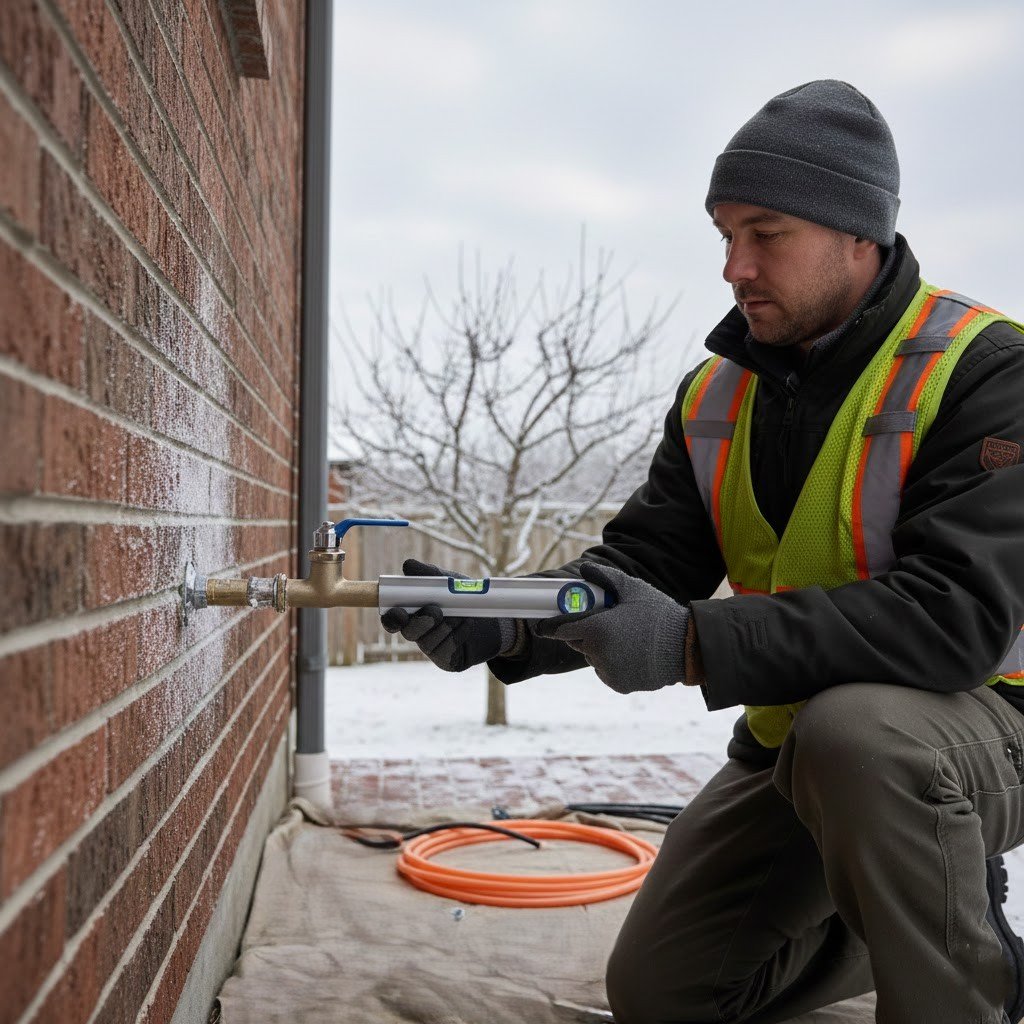
Frost-free faucets in the home do not need any more. The plumbers examine these faucets to make sure that they are in proper operation. Even the frost-free models might freeze in case they are installed improperly or damaged. It is necessary to check that it is properly installed regarding angle and drainage.
Sealing Gaps Around Faucets
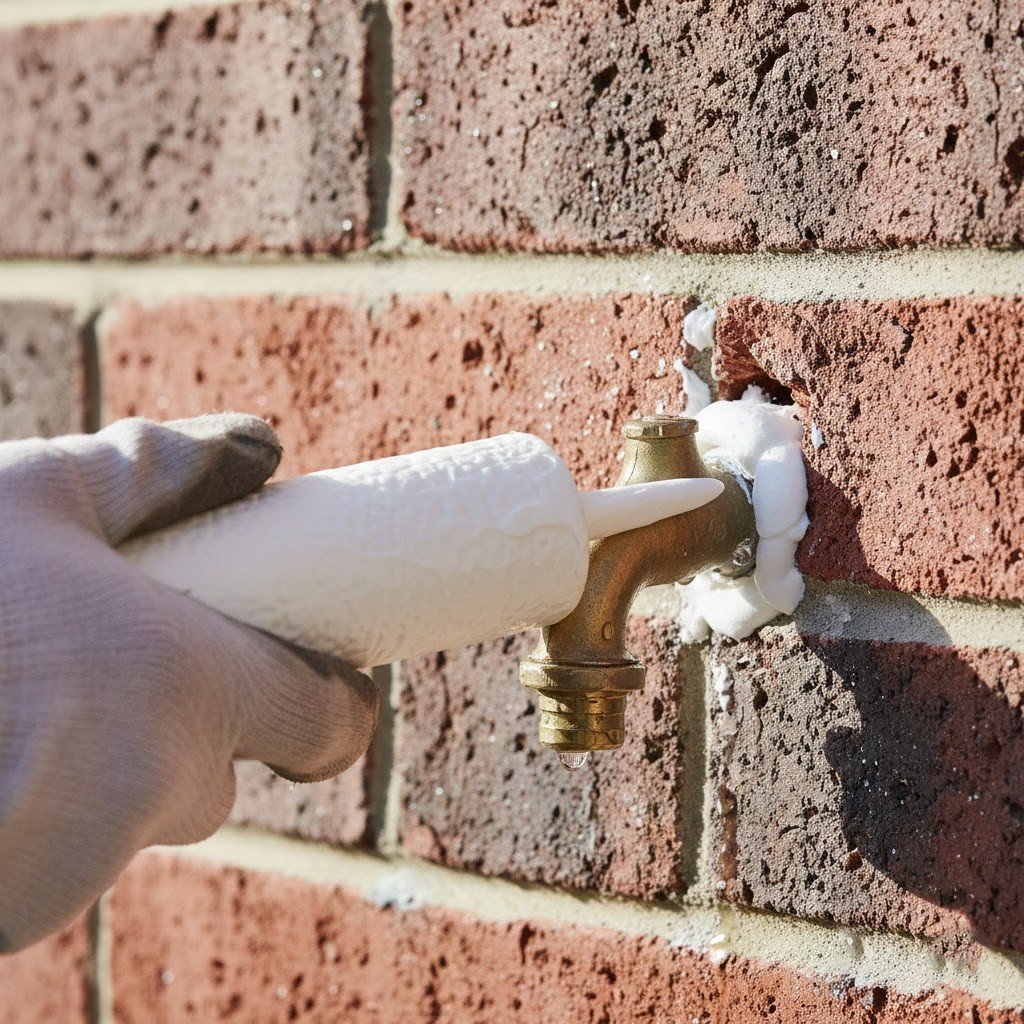
The plumbers look at the faucet between the exterior wall and the faucet where the gap or cracks are. The cold air coming in these holes may freeze the pipes at a faster rate. Openings covered with caulk or insulation foam can be used to seal cold draughts. This will enhance energy conservation and plumbing against freezing.
Wearing Drain Caps Where Available
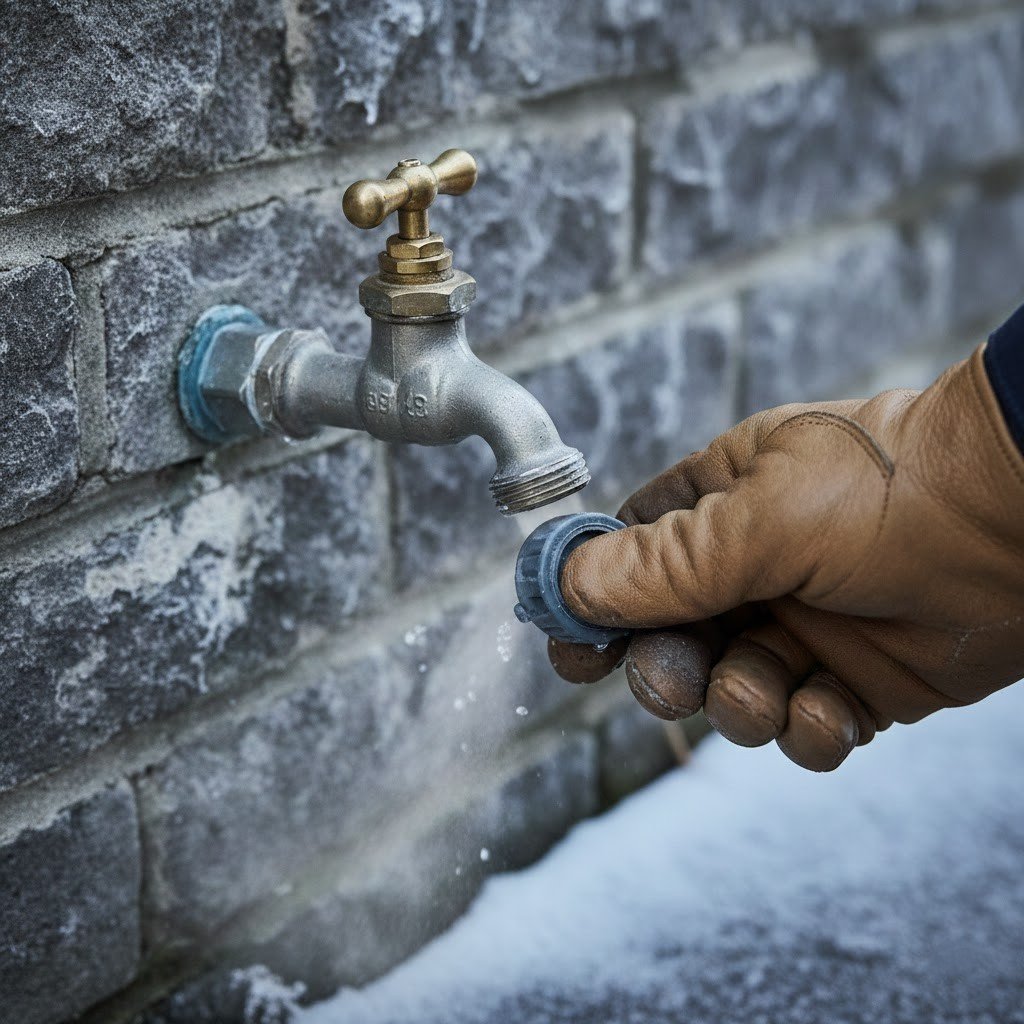
Drain caps or valves are attached to some outside faucets. These features are utilised by plumbers to empty the line completely. The drain caps enable the water to be released at the low points of the system. Installation of in-built drainage solutions offers an added security against freezing as well as enhancing the overall plumbing security.
Leaving Faucets Unclosed Ajar
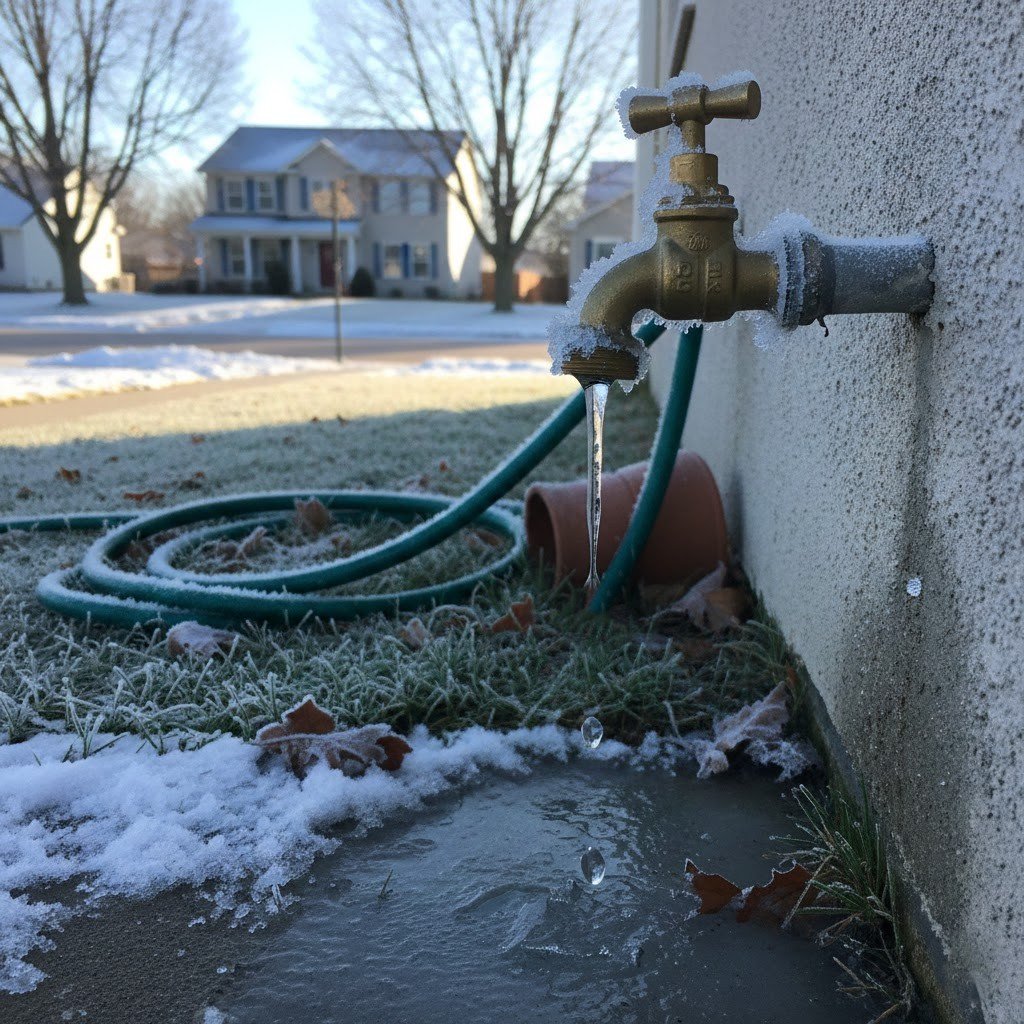
Under some circumstances, plumbers leave outdoor faucets ajar when they have drained. This permits the water to be relieved in case of any leftovers. Open faucets minimise the possibility of cracking of the pipes because of expansion. This is useful particularly when there is a long freezing phase.
Observation of Weather Forecasts
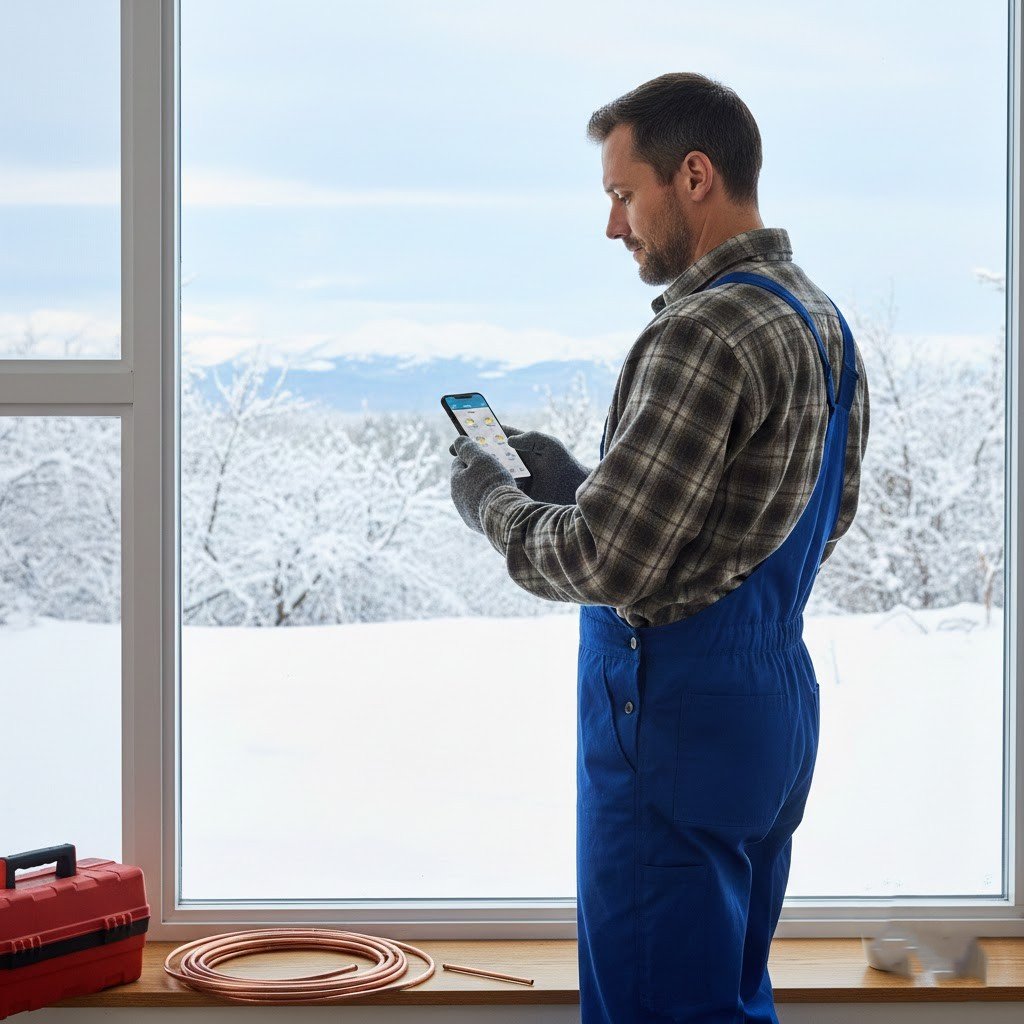
Professional plumbers are always on the lookout for looming temperature reductions. The most important thing is to prevent damage by preparation. Forecast monitoring enables this to be done in time before freezes strike. It is also important to be proactive in order to ensure that outdoor faucets are covered when the temperatures do not get too high.
Reexamination Before Peak Winter
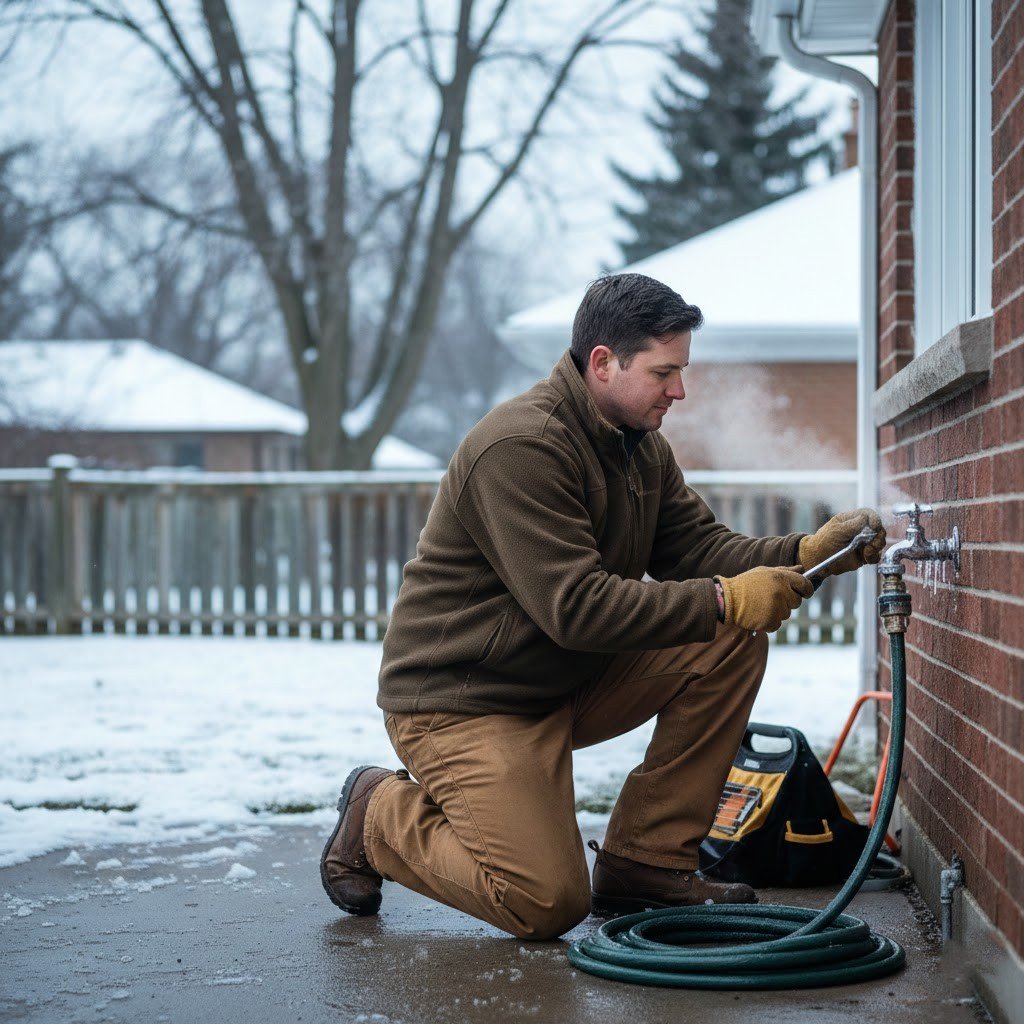
Before the winter peaks come, plumbers tend to retest outdoor faucets. Valves, insulations, and covers may move with time. The last inspection will make sure that protective measures are not taken off. This final inspection will provide some peace of mind and will prevent the surprises of plumbing problems in the coldest months.
