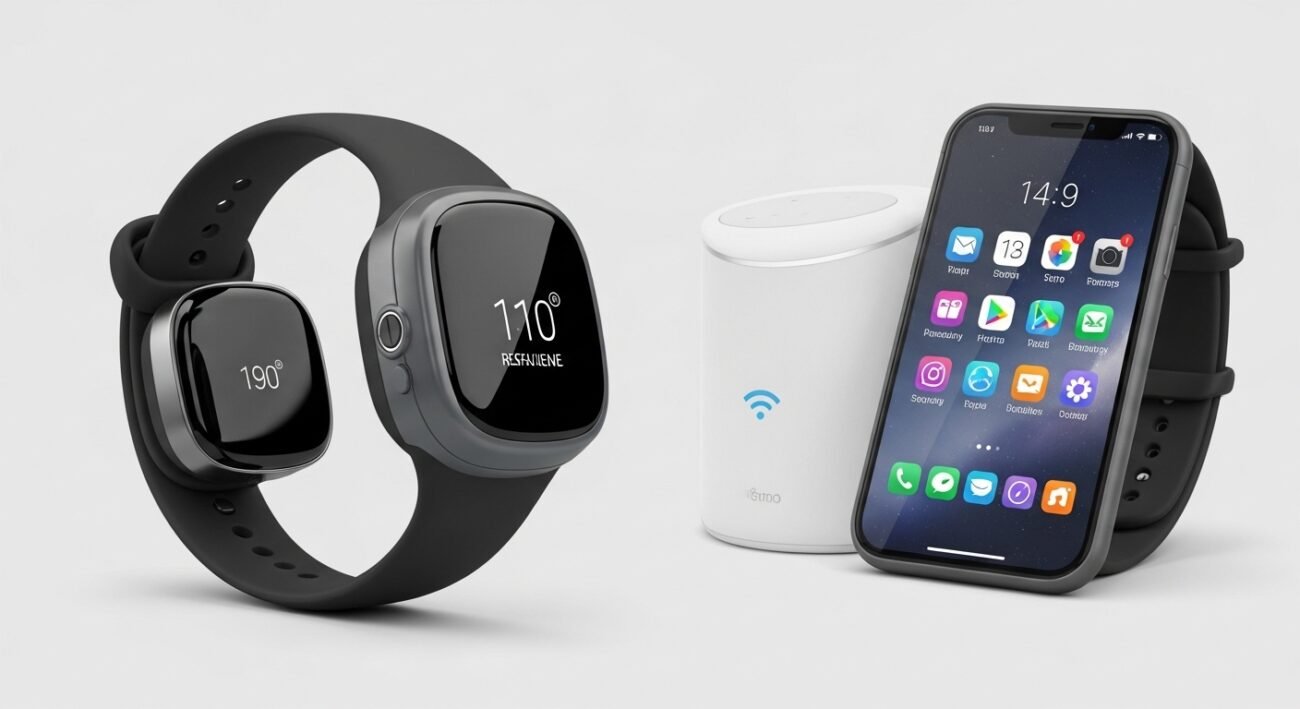
Every year, new gadgets promise to redefine convenience, productivity, and entertainment. Yet not all of them live up to expectations. Some arrive with impressive marketing but struggle to deliver meaningful improvements in everyday life. For many users, especially those who value practicality and reliability, it becomes important to separate genuine innovation from unnecessary hype. This list explores gadgets that generated excitement but often fell short when it came to real-world usefulness. From wearable tech to smart home devices, these products highlight how not every trend translates into lasting value or everyday satisfaction for users.
Samsung Galaxy Ring
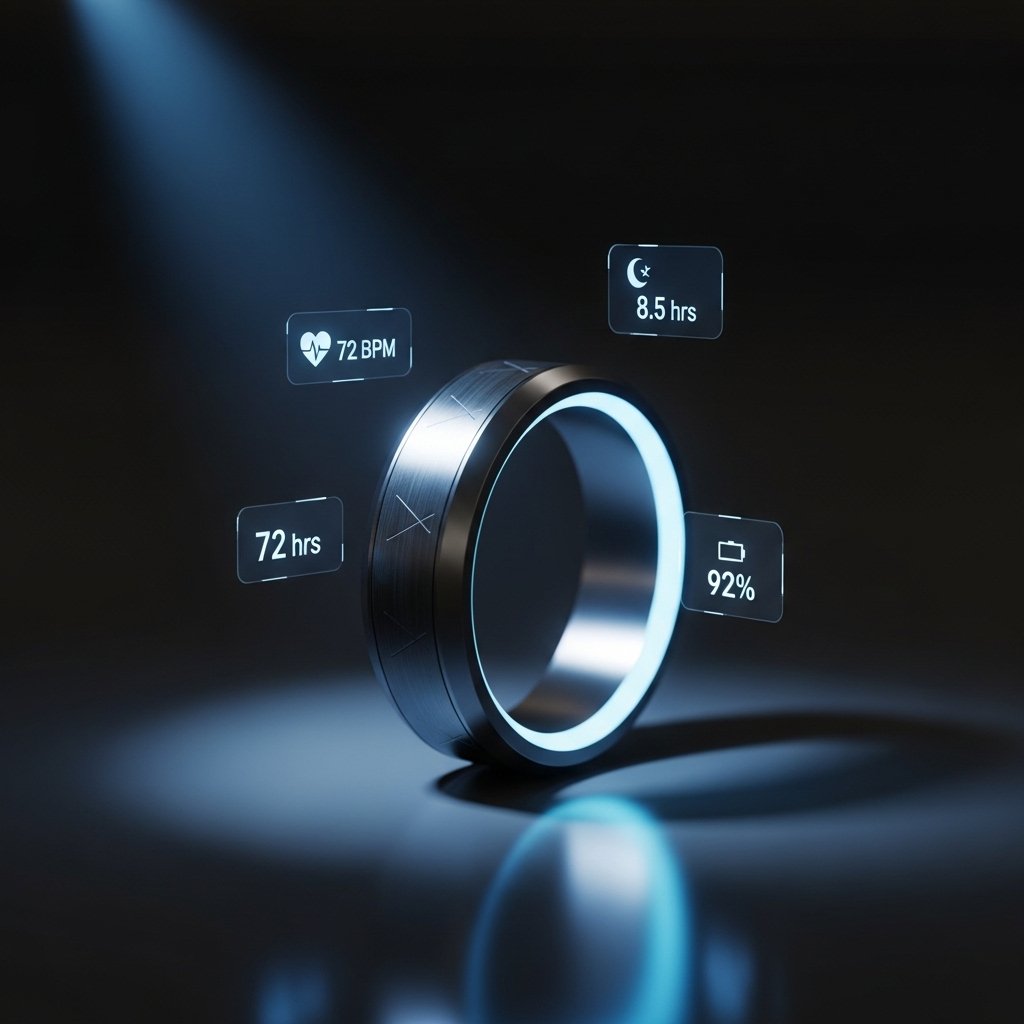
The Samsung Galaxy Ring gained attention as a discreet wearable, but its limited features compared to smartwatches left many users underwhelmed, especially considering its price and the lack of truly unique health tracking capabilities.
Smart Fridges
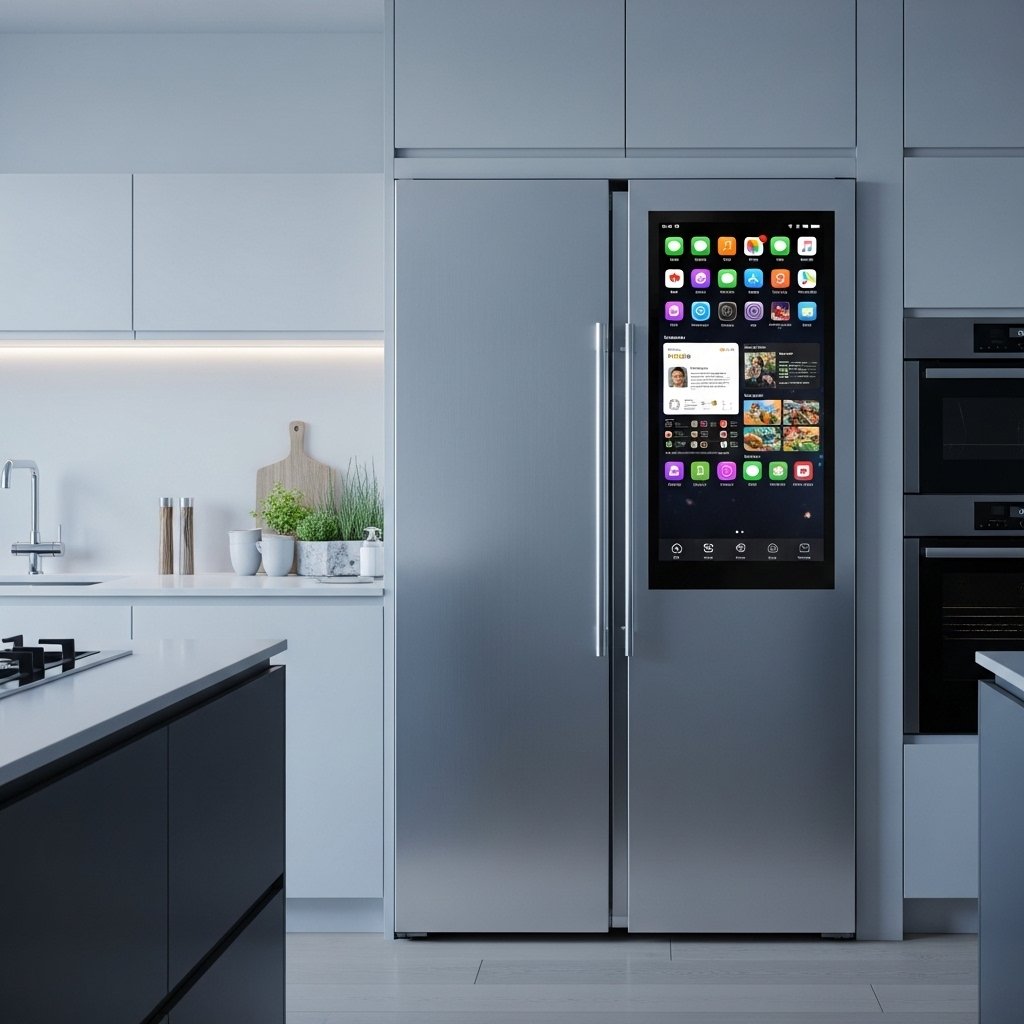
Smart refrigerators promised convenience with touchscreens and apps, yet most users found these features unnecessary. Traditional refrigerators perform the core job effectively, making added technology feel more like a novelty than a practical upgrade.
Foldable Smartphones
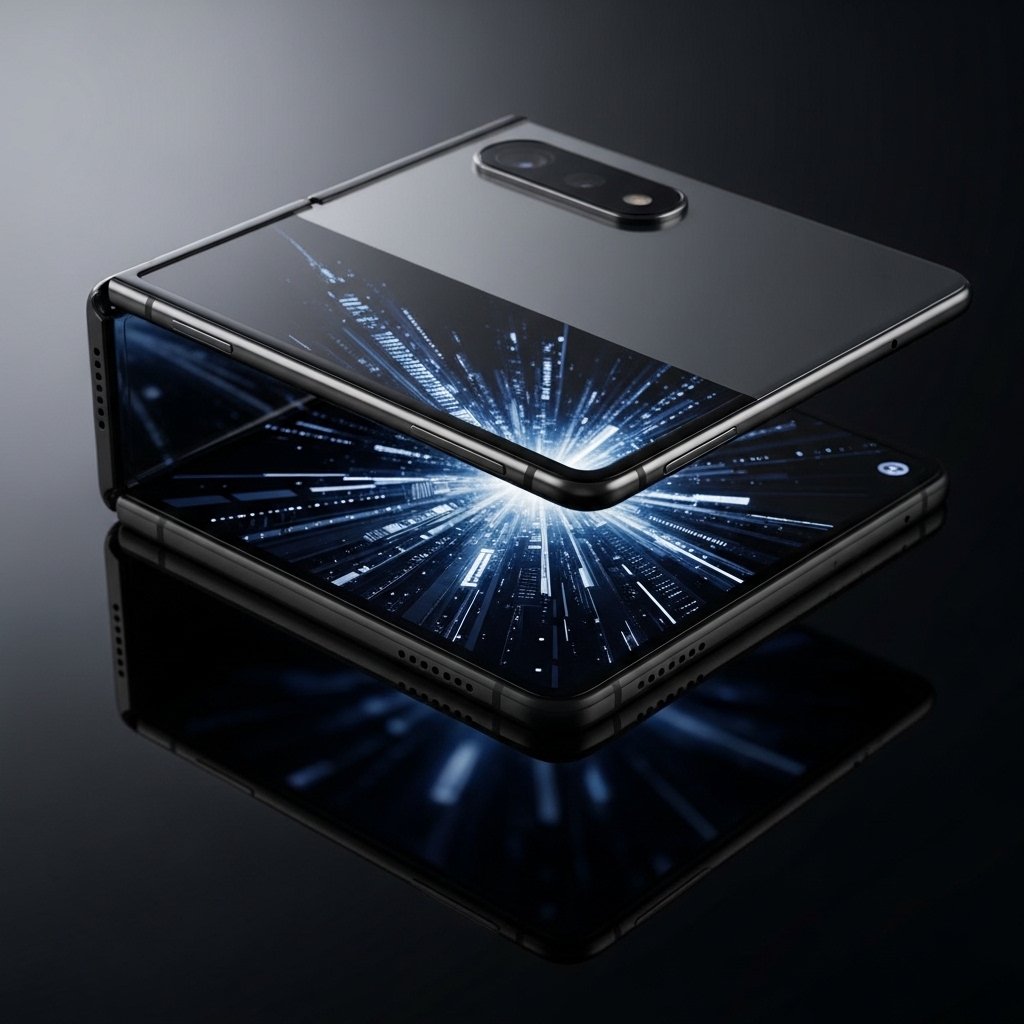
Foldable phones looked futuristic, but durability concerns and high costs reduced their appeal. Many users questioned whether the folding feature truly enhanced daily usage or simply introduced more complications and potential repair issues.
VR Headsets for Home Use
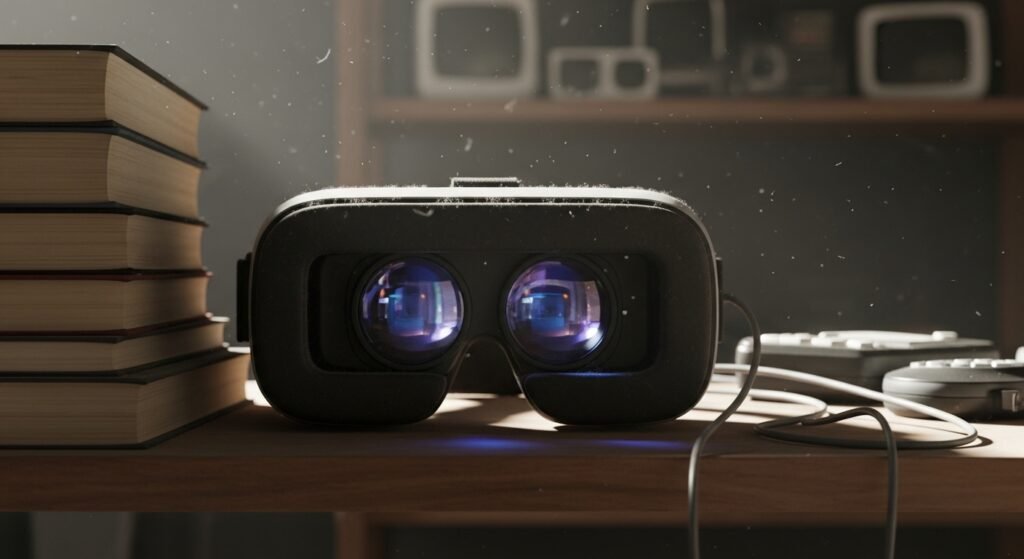
Virtual reality headsets brought immersive experiences, yet limited content and discomfort during extended use held them back. Many buyers found themselves using these devices less frequently than expected after the initial excitement faded.
Smart Mirrors

Smart mirrors aimed to combine reflection with digital displays, but their real-world use remained limited. Most users preferred separate devices for information, making these mirrors more decorative than genuinely functional.
Portable Projectors

Portable projectors seemed ideal for entertainment anywhere, but brightness issues and inconsistent image quality reduced their practicality. Many users found that traditional televisions or tablets offered a more reliable viewing experience.
Smart Water Bottles

Smart water bottles tracked hydration and sent reminders, yet many users considered these features excessive. A simple bottle paired with personal discipline often proved just as effective without the added cost or maintenance.
Gesture-Control Devices
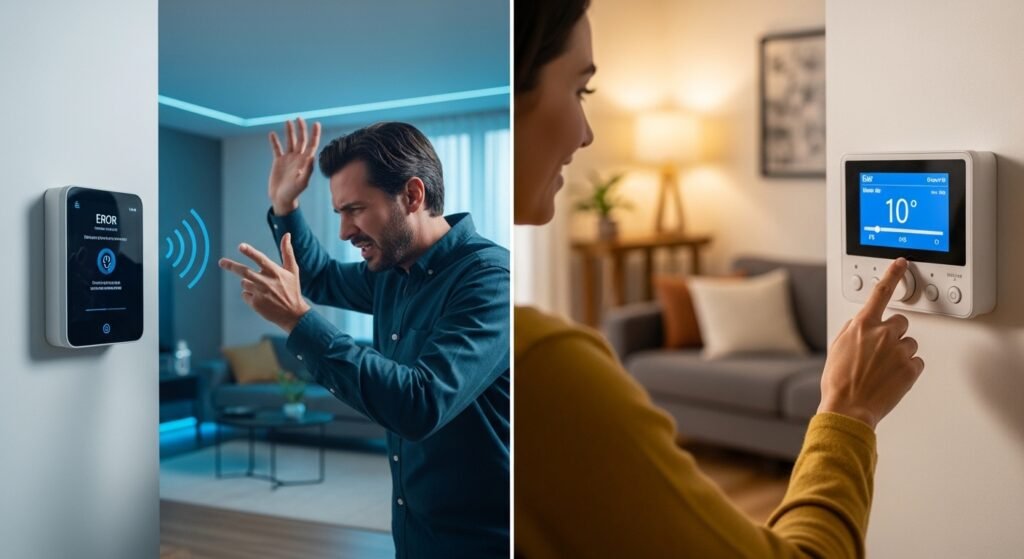
Gesture-controlled gadgets promised futuristic interaction, but accuracy issues and learning curves made them frustrating. Traditional touch or button-based controls continued to be more reliable and user-friendly for everyday tasks.
AI-Powered Personal Assistants Devices
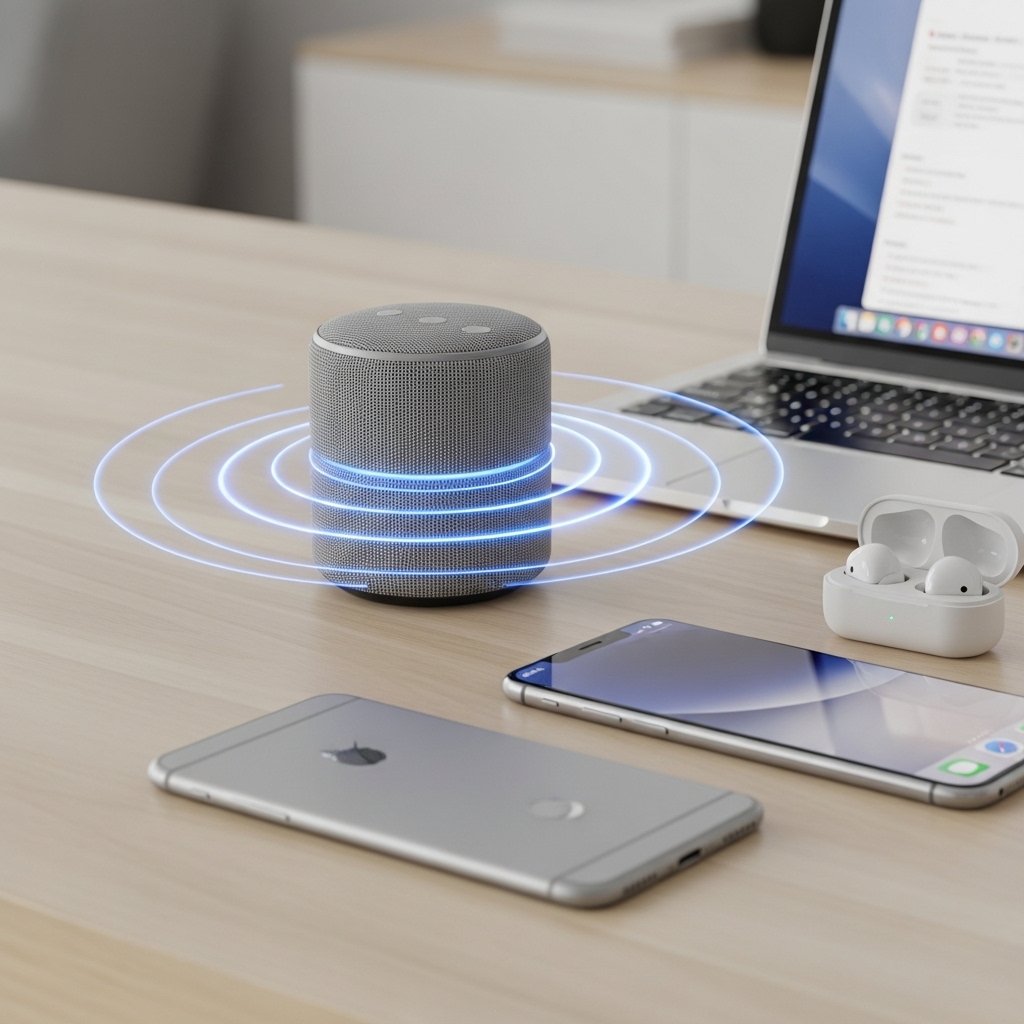
Dedicated assistant devices offered voice control for homes, but their usefulness overlapped with smartphones. Many users found limited additional value, especially when basic commands could already be handled by existing devices.
Smart Doorbells
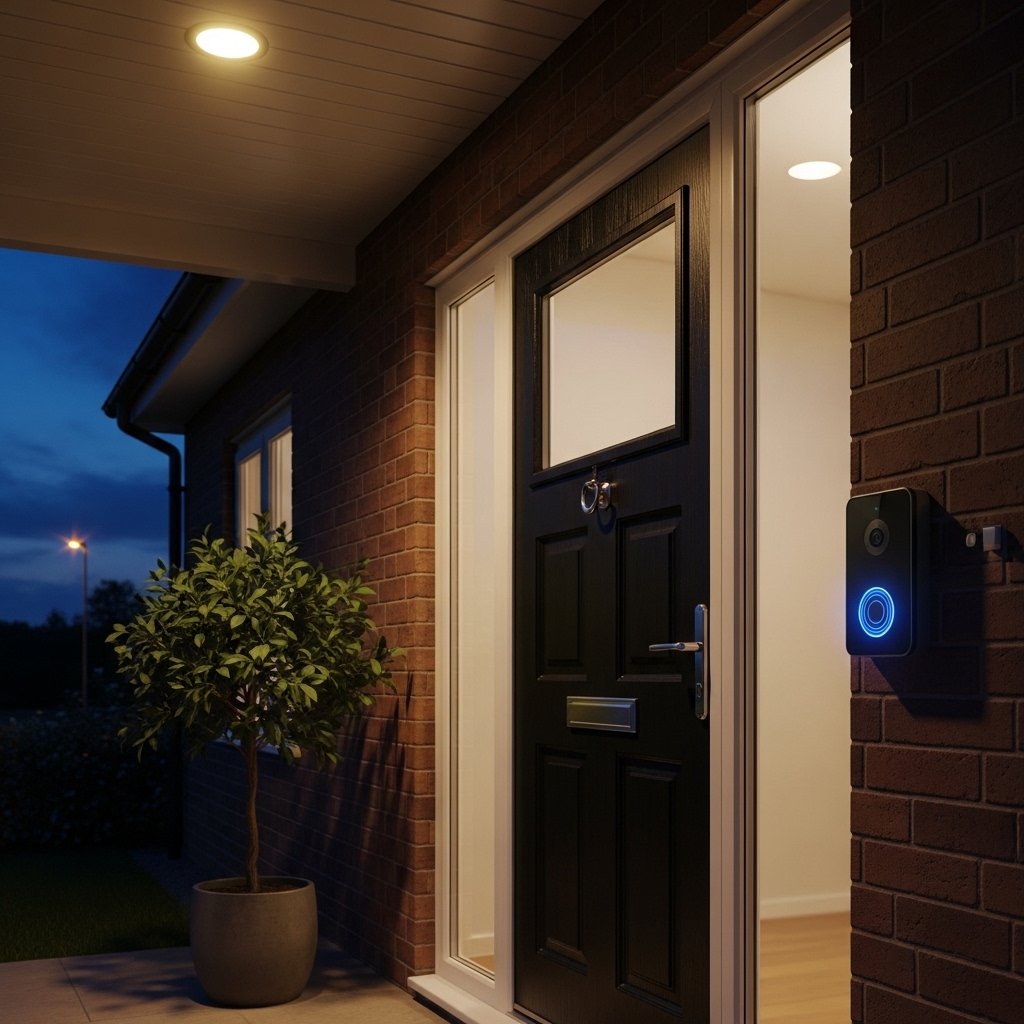
Smart doorbells introduced remote monitoring, yet concerns around privacy and subscription costs affected their appeal. For some households, the benefits did not justify ongoing expenses and potential data security considerations.
